

Automatic Transfer Switch: Discover the Top Factory Solutions for Seamless Power Management
2025-12-24
In today's fast-paced world, uninterrupted power is not just a luxury—it's a necessity. Whether you're running a critical data center, a bustling hospital, or simply safeguarding your home office, a reliable power management solution can mean the difference between seamless operations and costly downtime. That's where Automatic Transfer Switches (ATS) come in, offering a smart, automated way to switch between primary and backup power sources without missing a beat. In this blog, we'll dive into the top factory solutions for seamless power management, highlighting the innovations that make modern ATS systems more efficient and dependable than ever. At SINGI, we're passionate about empowering businesses with cutting-edge technology that ensures your power flow is as smooth as your workflow. Join us as we explore how these advanced switches can revolutionize your energy strategy and keep you powered up, no matter what challenges come your way.
Key Features of High-Performance Automatic Transfer Switches
When it comes to power reliability, high-performance automatic transfer switches (ATS) stand out by offering rapid, seamless switching between power sources. Unlike basic models, these advanced units typically incorporate microprocessors that monitor voltage and frequency in real-time, ensuring they detect outages within milliseconds and initiate transfers without disrupting critical loads. This precision not only minimizes downtime but also protects sensitive equipment from potential damage caused by power fluctuations, making them indispensable in data centers, hospitals, and industrial facilities.
Another key feature is their robust construction and enhanced safety mechanisms. High-performance ATS often include features such as closed-transition switching, which allows for a smooth transfer without voltage dips or spikes, and arc-resistant enclosures that reduce fire risks during operation. These designs prioritize durability and compliance with stringent standards like UL 1008, offering peace of mind in demanding environments where reliability is non-negotiable.
Additionally, these switches provide advanced monitoring and control capabilities. Integrated communication interfaces, such as Ethernet or USB, enable remote management and real-time diagnostics, allowing operators to track performance trends and schedule maintenance proactively. This connectivity, combined with user-friendly interfaces and customizable settings, empowers users to optimize their power systems efficiently, setting high-performance ATS apart from simpler alternatives.
How Modern ATS Systems Enhance Operational Reliability
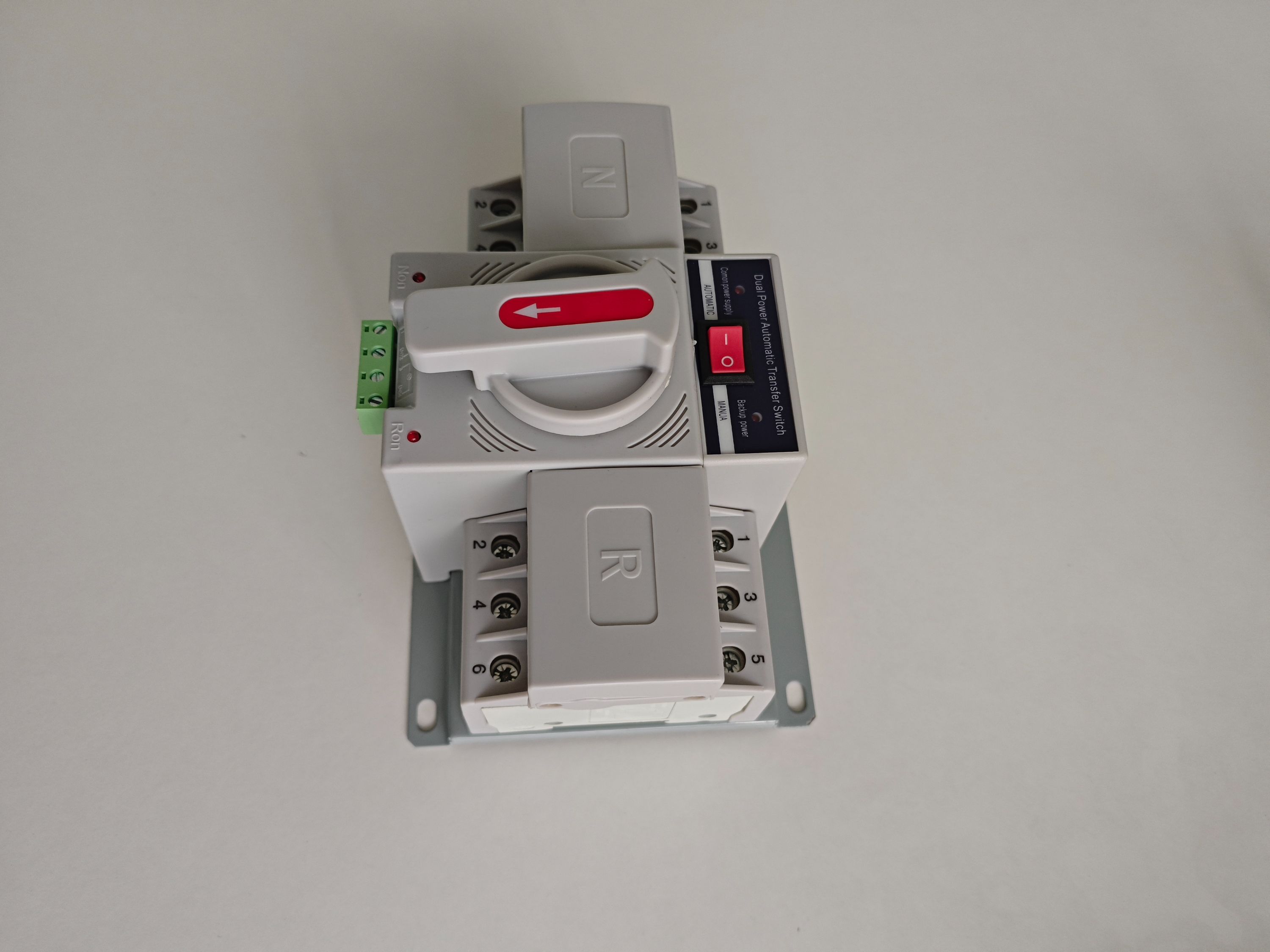
Modern ATS (Automatic Transfer Switch) systems significantly boost operational reliability by minimizing downtime during power source transitions. Unlike older models that relied on mechanical switching with inherent delays, today's ATS units incorporate advanced solid-state technology and microprocessor-based controls. This allows for near-instantaneous detection of power failures and seamless switching between primary and backup sources—often in under a cycle of AC power. For businesses, this means critical operations like data centers, hospitals, or manufacturing lines continue uninterrupted, safeguarding both productivity and safety without manual intervention.
Another key enhancement comes from the integration of predictive analytics and smart monitoring features. Contemporary ATS systems are equipped with sensors and communication modules that continuously assess the health of power sources and the switch itself. By analyzing data on voltage stability, frequency variations, and equipment temperature, these systems can predict potential failures before they occur. For instance, if a backup generator shows signs of wear, the ATS can alert maintenance teams proactively, ensuring repairs are made during scheduled downtime rather than during an emergency. This predictive capability transforms reliability from reactive to proactive, drastically reducing unexpected outages.
Furthermore, modern ATS designs focus on adaptability and resilience in diverse operational environments. With features like programmable logic controllers (PLCs) and remote management via cloud platforms, users can customize switching priorities, test sequences, and load shedding protocols to match specific needs. In settings with multiple power sources—such as renewable energy integrations or microgrids—ATS systems can intelligently prioritize the most efficient or sustainable option without compromising reliability. This flexibility not only optimizes energy use but also ensures that operations remain robust amid fluctuating grid conditions or natural disasters, making them a cornerstone of modern infrastructure resilience.
Customizable Factory Solutions for Diverse Power Needs
In today's industrial landscape, one-size-fits-all power solutions often fall short. That's where customizable factory solutions step in, offering tailored approaches that adapt to the unique demands of each business. Whether you're expanding a manufacturing plant or upgrading an energy grid, these solutions provide the flexibility needed to optimize performance and reduce costs. By leveraging advanced technologies, companies can integrate renewable energy sources, backup systems, and smart controls to create a resilient power infrastructure that evolves with changing needs.
Beyond basic customization, these solutions focus on enhancing efficiency and sustainability. They allow for precise adjustments in voltage, frequency, and load management, ensuring that operations run smoothly without compromising safety. For environments with fluctuating power requirements—such as data centers or heavy machinery sites—these adaptable factories can dynamically scale up or down. This not only minimizes waste but also supports long-term environmental goals, making it a win-win for both productivity and the planet.
What sets these solutions apart is their emphasis on innovation and user-centric design. Instead of rigid packages, they offer modular components that can be mixed and matched to fit specific scenarios. Clients benefit from ongoing support and upgrades, fostering a partnership that keeps power systems ahead of industry trends. From small workshops to large-scale industrial complexes, customizable factory solutions empower businesses to take control of their energy future, driving growth and resilience in an unpredictable world.
Integrating ATS into Smart Grid and Energy Management
Integrating an Automated Transfer Switch (ATS) into a smart grid and energy management system represents a significant leap forward in ensuring power reliability and efficiency. In today's fast-paced world, where uninterrupted electricity is crucial for industries, healthcare, and daily life, ATS units seamlessly switch between primary and backup power sources during outages. This integration allows smart grids to dynamically manage energy flow, optimizing load distribution and reducing downtime. By automating the process, it minimizes human intervention, enhances safety, and supports the grid's overall resilience against disruptions.
Moreover, embedding ATS within smart grids fosters a more responsive energy ecosystem. These switches can communicate with grid management software, providing real-time data on power quality and availability. This enables predictive maintenance and smarter decision-making, such as shifting to renewable energy sources or battery storage during peak demand. As a result, it not only stabilizes the grid but also contributes to energy conservation and cost savings, aligning with global sustainability goals.
Ultimately, this synergy between ATS and energy management systems empowers a future-ready infrastructure. It adapts to fluctuating energy needs, supports the integration of microgrids and distributed generation, and enhances grid flexibility. By prioritizing reliability and efficiency, it sets a new standard for intelligent power management, ensuring communities and businesses remain powered through any challenge.
Best Practices for Maintenance and Long-Term Performance
Regular maintenance is crucial for sustaining peak performance over time, not just a quick fix. It's about establishing routines—like quarterly system checks and annual deep cleans—that proactively address wear and tear. By scheduling these tasks, you can catch small issues before they escalate, ensuring your equipment or systems run smoothly for years. Think of it as investing in longevity rather than reacting to breakdowns.
A key strategy is keeping detailed logs of all maintenance activities. This documentation helps track patterns, identify recurring problems, and optimize future efforts. It’s not just about ticking boxes; it’s about creating a living history that guides decisions. For instance, if you notice a component failing every two years, you can plan replacements in advance, reducing downtime and costs. This data-driven approach turns maintenance from a chore into a smart, forward-thinking practice.
To truly stand out, tailor your maintenance plans to your specific needs rather than following generic templates. Consider factors like usage intensity, environmental conditions, and technological updates. For example, in harsh climates, more frequent inspections might be necessary, while software systems may require regular patches. Customizing your approach ensures resilience and adaptability, making your performance more reliable and efficient in the long run.
Innovative Trends Shaping the Future of Power Switching
Power switching technology is undergoing a quiet revolution, fueled by a need for greater efficiency and reliability in everything from consumer electronics to industrial applications. While traditional methods have served us well, emerging trends like wide-bandgap semiconductors are pushing boundaries in ways we couldn't have imagined a decade ago. These materials, such as silicon carbide (SiC) and gallium nitride (GaN), operate at higher temperatures and frequencies, delivering noticeable improvements in performance. For instance, in electric vehicles, they're helping to extend range by reducing energy loss, a shift that's making sustainable transportation more practical and appealing to the masses.
Another key innovation lies in the integration of smart features directly into switching components. We're seeing a move toward self-regulating systems that adapt in real time to changing loads, optimizing energy use without human intervention. This isn't just about saving a few watts; it's part of a broader trend toward interconnected power grids and IoT devices that communicate seamlessly. Imagine a factory where machines automatically adjust their power consumption based on demand, slashing costs and minimizing downtime—all thanks to intelligent switching solutions that feel almost intuitive.
Looking ahead, the future of power switching may be shaped by breakthroughs in materials science and miniaturization. Researchers are exploring concepts like quantum-based switching at the atomic level, which could lead to ultra-low-power devices for next-gen computing. Meanwhile, advancements in 3D packaging are allowing manufacturers to cram more functionality into smaller spaces, enabling more compact and versatile designs. As these trends converge, we're not just improving on old methods; we're reimagining how power flows, paving the way for a more resilient and adaptable energy ecosystem worldwide.
FAQ
An automatic transfer switch (ATS) is an electrical device that automatically transfers power sources between the primary (utility) and backup (generator) supplies to ensure uninterrupted electricity during outages.
When the ATS detects a power failure in the main source, it instantly signals the backup generator to start and then switches the load to this backup power, all without manual intervention, typically within seconds.
The main benefits include seamless power continuity, enhanced safety by preventing back-feeding, improved reliability for critical systems like hospitals or data centers, and reduced downtime in commercial or industrial settings.
ATS units are widely used in healthcare facilities, data centers, telecommunications, industrial plants, residential backup systems, and any location requiring continuous power for safety or operational reasons.
Consider factors like power capacity (in amps or kW), number of phases, transfer time requirements, control features, and compliance with standards like UL 1008. Consulting with a factory expert can help match the ATS to specific load demands.
Leading factories offer smart ATS with remote monitoring via IoT, integrated testing modes, compact designs for space constraints, customizable logic controls, and enhanced durability for harsh environments, moving beyond basic switching functions.
By automating power source transitions, ATS units reduce energy waste, optimize generator runtime, provide real-time diagnostics, and integrate with energy management systems for better overall resource utilization and cost savings.
Proper installation requires professional electrical work, while routine maintenance includes testing transfer operations, inspecting connections, and updating firmware for smart models—regular checks ensure long-term reliability and safety compliance.
Conclusion
The article "Automatic Transfer Switch: Discover the Top Factory Solutions for Seamless Power Management" explores advanced ATS technologies designed for efficient power management. It highlights key features of high-performance switches, such as rapid transfer speeds, robust construction, and enhanced safety mechanisms, ensuring minimal downtime during power outages. Modern ATS systems are emphasized for boosting operational reliability through intelligent monitoring and automated responses, seamlessly switching between power sources to maintain continuity. Customizable factory solutions cater to diverse needs, offering scalable options for various industries, from healthcare to manufacturing, ensuring tailored power management that adapts to specific operational demands and environments.
Integration into smart grids and energy management systems is discussed, showcasing how ATS units optimize energy consumption and support sustainable practices. Best practices for maintenance and long-term performance include regular inspections, firmware updates, and proactive troubleshooting to extend lifespan and prevent failures. The article also delves into innovative trends shaping the future, such as IoT connectivity, AI-driven predictive analytics, and renewable energy integration, positioning ATS as a critical component in evolving power infrastructures. Overall, it presents a comprehensive view of top factory solutions that deliver seamless, reliable, and future-ready power switching for enhanced operational efficiency and resilience.
Contact Us
Contact Person: Jack
Email: [email protected]
Tel/WhatsApp: (+86) 13757759651
Website: https://www.singi.com