

Best Air Slip Ring Solutions for Reliable Rotary Performance
2026-08-03
Imagine a world where power and data flow seamlessly across rotating interfaces—no tangled wires, no signal loss, just pure, uninterrupted performance. That’s the promise of advanced air slip rings, and at the heart of this innovation is MOFLON. Whether you’re designing medical imaging systems, wind turbines, or aerospace equipment, reliable rotary connectivity can make or break your project. In this blog, we dive into the best air slip ring solutions that combine durability, precision, and efficiency, showing you how to elevate your rotating machinery.
What Exactly Is an Air Slip Ring and How Does It Function?
An air slip ring is a specialized rotary joint that transfers compressed air or other gases from a stationary inlet to a rotating outlet, enabling pneumatic power or signals to cross a continuously spinning interface. Unlike traditional slip rings that shuttle electrical signals and power, this device is engineered purely for fluid media, though hybrid models can combine air passages with electrical circuits. The core of its design lies in a precision-machined rotor and stator that form a sealed annular chamber. As the rotor turns, air flows through this chamber without significant leakage, thanks to carefully engineered sealing components—often low-friction, wear-resistant materials like graphite or advanced polymers. This makes air slip rings invaluable in applications where rotating machinery must maintain a constant air supply, such as in packaging, robotics, and wind turbines.
The function of an air slip ring hinges on maintaining a reliable dynamic seal between moving parts. Inside the device, air enters the stationary housing and moves into a grooved channel within the rotor. As the rotor spins at varying speeds, the sealing elements glide along its surface, preventing air from escaping while minimizing rotational resistance. The design often incorporates multiple ports, allowing several independent air circuits to coexist within the same compact unit. This versatility lets one slip ring handle different pressure levels or gas types simultaneously—a critical advantage in automated assembly lines where pneumatic clamps, suction cups, and air-driven actuators all depend on continuous rotation. Beyond just air, these units can manage vacuum, inert gases, or even hydraulic fluids, adapting to diverse industrial conditions without compromising performance.
Selecting the right air slip ring involves understanding its pressure ratings, rotational speed limits, and material compatibility. High-quality models are built to withstand millions of cycles while keeping leakage rates negligible, often backed by custom engineering for niche uses. For instance, in medical imaging equipment, a compact air slip ring might cool rotating detectors without vibration; in offshore cranes, it delivers hydraulic power through a swivel joint that faces saltwater corrosion. Maintenance is typically minimal, but periodic inspection of seals ensures longevity—a sharp contrast to the frequent wear issues of electrical slip rings. As automation demands grow, these components quietly enable the seamless marriage of motion and fluid power, proving that sometimes the most essential technologies are those that simply keep things moving without a hitch.
Key Advantages of Air Slip Rings Over Traditional Options
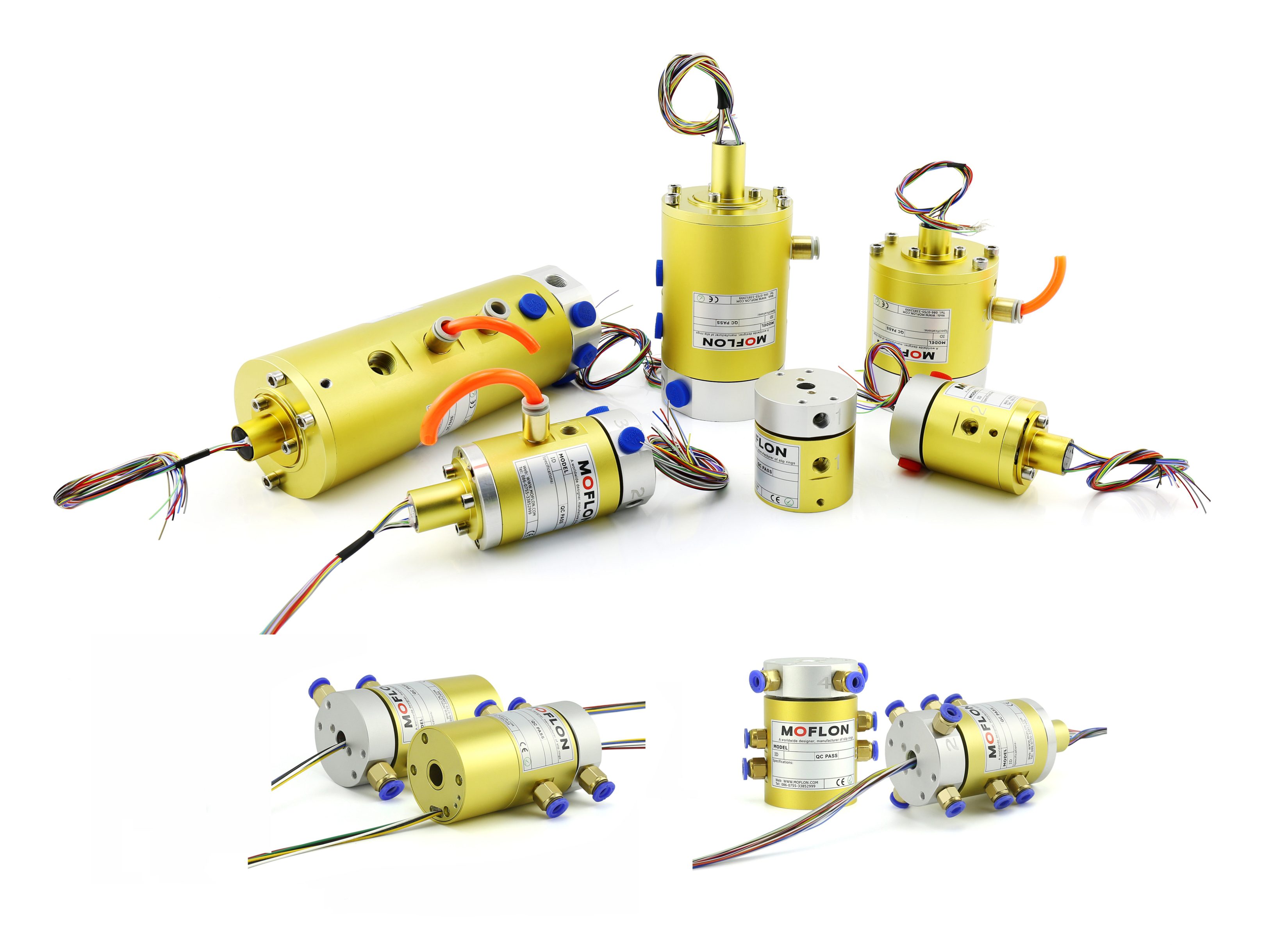
Air slip rings ditch the physical brushes and contacts that wear down in traditional units, relying instead on a thin film of compressed air to bridge the rotating and stationary sides. This non-contact design almost eliminates friction, so there’s no dust generation from brush wear, no debris to foul up delicate signals, and vastly reduced maintenance schedules—you’re not swapping out brushes or cleaning commutators every few hundred hours. It’s a quiet, clean solution that just keeps running.
Another overlooked advantage is how air slip rings handle mixed media with zero crosstalk. Traditional slip rings often force you to segregate power and signal channels, adding bulk, but the pressurized air interface intrinsically separates electrical pathways without extra shielding or insulation. You can route high-frequency data, sensitive analog signals, and even fluid or pneumatic lines through the same compact assembly with no interference, all while spinning smoothly at higher RPMs than a contact slip ring could ever manage without arcing or signal degradation.
Then there’s the matter of environmental resilience. Where conventional slip rings choke on moisture, dust, or corrosive atmospheres, the continuous positive-air purge in an air slip ring keeps contaminants out of the rotary joint entirely. That makes them a natural fit for washdown areas, outdoor installations, or medical equipment that demands sterile operation—no sealed chambers or elaborate enclosures needed. The air itself acts as a barrier, so you’re not just eliminating wear; you’re actively protecting the internals in a way that traditional options can’t match without heavy, costly housings.
Where Air Slip Rings Deliver the Most Value
Air slip rings truly shine in applications where a continuous signal or fluid transfer is needed across a rotating interface. In robotics, for instance, they allow pneumatic lines to pass through rotating joints without tangling, enabling smoother and more compact designs. This becomes critical in automated assembly lines where high-speed rotation and reliable air delivery directly impact production uptime.
Medical imaging equipment is another sector that leans heavily on these components. CT scanners and MRI machines depend on air slip rings to transmit cooling gases or pneumatic control signals while the gantry rotates at high speeds. The non-contact nature of certain designs minimizes wear and eliminates fiber optic brush debris, which is paramount in cleanroom and patient-care environments.
Offshore wind turbines also benefit enormously from air slip ring technology. Here, they support blade pitch control systems, enabling real-time adjustment of blade angles through the transfer of compressed air. This capability directly boosts energy capture efficiency and reduces mechanical stress on the turbine during gusty conditions, all while operating reliably in saline, harsh marine environments.
Materials and Engineering That Boost Durability
At the heart of lasting products lies a blend of clever material selection and engineering foresight. Instead of simply using stronger alloys, designers now turn to advanced composites that combine carbon fiber’s rigidity with polymer flexibility, creating components that resist fatigue while absorbing impact. Add in precision heat treatments and surface coatings—like diamond-like carbon films—and parts withstand corrosion and wear far longer than their predecessors.
Engineering isn’t just about what you use, but how you shape it. Stress-relief geometries, such as gentle radii instead of sharp corners, prevent crack initiation under cyclic loads. Modular designs allow worn sections to be swapped without discarding entire assemblies, extending service life. Computational simulations now predict failure points beforehand, letting teams reinforce those areas with minimal weight penalty.
Breakthroughs in joining techniques further push durability boundaries. Friction stir welding, for instance, produces joints with minimal defects and superior fatigue resistance compared to conventional welding. Adhesive bonding combined with mechanical fasteners distributes stress more evenly, preventing single points of failure. These methods, paired with materials engineered at the microstructure level, create products that endure harsh environments with grace.
Installation Tips for Flawless Rotary Performance
Getting a rotary unit to sing starts with the little things most folks overlook. That thrust washer tucked in the box? It’s not optional—skip it and you’ll wonder why your seals give up early. Dry-fit everything first, feel how the gears mesh by hand, then torque bolts in a star pattern like you’re tuning a drumhead. You’re aiming for an even squeeze, not a death grip.
Hydraulic lines are where gremlins love to hide. Flush them until the fluid runs cleaner than your conscience, then bleed every last air bubble—those micro-cavitations eat away at efficiency before you’ve even hit operating speed. And don’t just trust the factory fill on a fresh build; spin the shaft slowly while topping off the case, let it settle, then check again. Patience here pays off in years, not hours.
Alignment gets all the glory, but it’s the coupling fit that keeps things quiet. Heat the hub gently, slide it home without forcing, and use a dial indicator even if you think you’ve got it dead-on by eye. A thou off here translates to a hammering pulse down the line. Once it’s running, listen to it cold, then warm—rotaries should purr, never growl. If something sounds off, shut it down and double-check the basics before the problem writes a check your downtime can’t cash.
How to Match an Air Slip Ring to Your Specific Setup
Start by clearly defining what you need the slip ring to do. Consider the number of pneumatic channels, their pressure and flow rate requirements, and whether you need a hybrid unit that also transmits electrical signals or power. Measure the physical space where the unit will be installed—bore size, overall diameter, and length are often non-negotiable constraints. Don’t forget about rotational speed and the type of media being transferred; a slip ring handling compressed air for a packaging machine will have very different demands than one feeding coolant into a robotic arm.
Environmental factors can make or break the long-term reliability of your air slip ring. Check the operating temperature range, ambient dust or moisture levels, and exposure to chemicals or washdowns. For outdoor or high-vibration installations, look for ruggedized sealing and bearing designs. If the application involves frequent starts and stops, pay close attention to the starting torque and wear characteristics—too much friction can affect system performance and shorten service life.
Finally, align the slip ring’s materials and certifications with your industry requirements. Food-grade applications may demand stainless steel housings and FDA-approved seal materials, while process control setups might need NEMA or ATEX ratings. Talk through your mounting style—flange, threaded, or shaft-mounted—and ensure the pneumatic ports match your existing fittings to avoid unnecessary adapters that add leak points. A good supplier will help you balance cost and durability, but having these details ready makes the selection process far less painful.
FAQ
An air slip ring, also known as a pneumatic rotary union, is designed to transmit compressed air or other gases from a stationary inlet to a rotating outlet. Unlike electrical slip rings that pass power or signals through brushes and rings, air slip rings use precisely machined seals and passages to maintain a leak-tight connection while allowing continuous rotation. They are essential when you need to combine rotary motion with fluid or pneumatic media.
Reliability in rotating machinery hinges on the ability to maintain uninterrupted media flow without leaks or pressure drops. A high-quality air slip ring ensures that pneumatic circuits stay fully functional even at high RPMs and varying pressures. This prevents system failures, reduces maintenance downtime, and extends the overall lifespan of the equipment. In automated production lines, for instance, a faulty air union can halt an entire process.
They are found in a wide range of industries: factory automation uses them in rotary indexing tables and robotic arms; packaging machinery employs them for air-blowing or vacuum pick-and-place systems; wind turbines use larger units for blade pitch control; medical devices like CT scanners use miniature designs; and in the food and beverage sector they’re used for filling and capping rotary stations. Anywhere you need to rotate while supplying pneumatic power, an air slip ring is likely involved.
The decision comes down to integration needs. If your application only needs to pass pressurized air, a dedicated pneumatic slip ring is lighter and simpler. However, many modern systems require simultaneous transmission of power, data, and air. In those cases, a hybrid slip ring that stacks electrical and pneumatic passages in one compact unit saves space, simplifies installation, and reduces the number of rotary joints. It’s a matter of balancing design complexity against the ease of a single, integrated solution.
Seal material and geometry are top priorities – they must withstand the specific gas, pressure, temperature, and duty cycle without degrading. Housing material affects corrosion resistance and weight. Bearing quality directly impacts rotational smoothness and concentricity, which in turn preserves seal integrity. Finally, consider the number of passages and their port sizes to match your flow requirements. An undersized unit will cause pressure loss; an oversized one wastes space and money.
Absolutely, many models are designed for dual-purpose operation. When used for vacuum, the internal seals prevent outside air from being drawn in, maintaining the low-pressure environment needed. The key is specifying the correct seal configuration and ensuring the unit is rated for the vacuum level your process requires. This versatility is why they’re common in pick-and-place systems and semiconductor handling equipment.
Preventive maintenance boils down to keeping the air supply clean and dry – use proper filtration and lubrication if the seals require it. Periodically check for increased rotational torque or audible hissing that signals seal wear. In dirty environments, consider a protective cover to keep debris away from the seal area. When leaks begin, prompt seal replacement according to the manufacturer’s guidelines avoids damage to bearing surfaces and keeps downtime minimal.
Conclusion
An air slip ring is a specialized rotary joint that transfers compressed air or other gases from a stationary supply to a rotating component, while also integrating electrical signals or power if needed. It functions through precisely machined channels and seals, allowing uninterrupted pneumatic flow even at high speeds. Unlike traditional slip rings that rely on physical contacts, air slip rings use non-contact sealing technologies, which dramatically reduce friction, wear, and maintenance demands. This design ensures a clean, leak-free transmission that is vital for applications like robotic arms, packaging machines, or wind turbines, where consistent air pressure directly influences performance and safety.
Choosing the right solution means balancing material durability, engineering precision, and installation care. Innovations in stainless steel alloys, ceramic bearings, and advanced polymer seals have pushed the boundaries of lifespan and corrosion resistance, making modern air slip rings suitable for harsh environments. Proper alignment during installation and matching the ring’s flow capacity, pressure rating, and speed to your specific setup prevent premature failure and optimize rotary performance. Ultimately, the best air slip ring is not a one-size-fits-all component but a tailored piece of engineering that harmonizes with your machinery’s demands, delivering silent, reliable operation day after day.
Contact Us
Contact Person: Xiangpin Li
Email: [email protected]
Tel/WhatsApp: 86 186 1706 8578
Website: https://www.moflon.com