

Best Autonomous Forklift Solutions for Modern Warehouses
2026-06-23
As the pace of modern logistics accelerates, warehouses are turning to autonomous forklifts to stay competitive. These intelligent machines redefine efficiency, safety, and scalability in material handling. At the heart of this shift, HANGCHA delivers advanced autonomous forklift solutions that seamlessly integrate into dynamic warehouse environments. In this blog, we’ll explore the best options shaping the future of warehousing—and why HANGCHA’s innovations stand out.
Redefining Warehouse Efficiency with Smart Forklift Tech
Warehouses have long struggled with the gap between moving goods quickly and keeping operations accurate. Forklifts are the backbone of material handling, yet traditional models rely heavily on operator skill and split‑second decisions, leaving room for mistakes, slowdowns, and recurring maintenance headaches. As order volumes climb and labor becomes harder to find, many sites are finding that retrofitting existing fleets with smart forklift technology is a practical leap forward—one that doesn’t demand ripping out entire workflows.
Smart retrofit kits bring computer vision, real‑time load monitoring, and adaptive drive controls into the cab without replacing the whole truck. On‑board sensors map aisles on the fly, alerting operators to obstacles or racking that’s been nudged out of alignment, while weight and center‑of‑gravity sensors prevent tip‑over risks before they happen. The data stream doesn’t stop there: forklifts self‑report battery health, tire wear, and fork calibration drifts, letting service teams swap parts before a breakdown halts a shift. In practice, sites see less rework, fewer damaged pallets, and travel paths that tighten up week by week as the system learns from every lift.
Beyond the truck itself, the real redefinition of efficiency shows up when those forklifts talk to the warehouse management system in the same language. Task queues get reprioritized based on where a truck actually is, not where it was supposed to be. Picking errors drop because the forks won’t lower unless the scanned barcode matches the slot the system expects. This kind of tight handshake between machine and software turns a fleet of individually smart forklifts into a coordinated swarm that self‑corrects bottlenecks—something manual operations can’t mimic, no matter how seasoned the crew.
How Autonomous Forklifts Tackle Labor Shortages Head-On
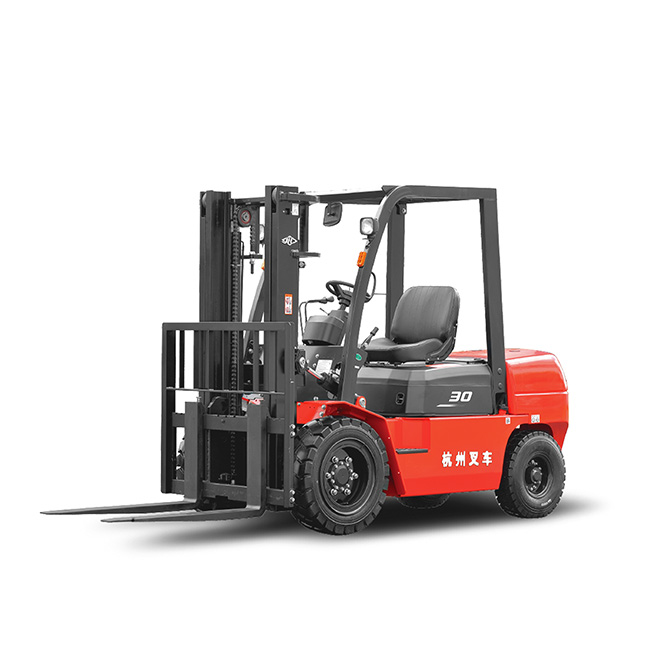
In warehouses worldwide, the struggle to find and retain skilled forklift operators has reached a critical point. Traditional hiring pipelines can't keep pace with surging e-commerce demands. Autonomous forklifts step into this gap, operating around the clock without breaks, sick days, or turnover. By taking over repetitive pallet-moving tasks, these intelligent machines free up human workers to focus on more complex roles that require problem-solving and oversight, effectively multiplying the productivity of the existing workforce.
Beyond filling empty seats, autonomous forklifts reduce the pressure of seasonal peaks without the frantic scramble for temporary staff. Their precision and consistency also lower error rates and product damage, cutting costs that often stem from inexperienced operators. Integrating seamlessly with warehouse management systems, they optimize inventory flows in real time, turning labor shortages from a bottleneck into an opportunity for operational resilience.
Adopting this technology isn't just about replacing bodies; it's about reshaping job profiles into safer, more engaging positions. As dull and dangerous driving tasks diminish, companies can attract a new generation of tech-savvy employees. In this way, autonomous forklifts don't just tackle labor shortages—they transform the very nature of warehouse work, creating a more sustainable and adaptive environment for long-term growth.
Seamless Integration: Forklifts That Fit Your Existing Workflow
Bringing a new forklift into your operation shouldn’t mean reinventing your entire process. Our equipment is designed to slot right into the rhythm of your existing workflow—from rack layouts to daily operator routines. You won’t need to rearrange staging areas or retrain your team from scratch. Instead, our forklifts adapt to your established patterns, letting you maintain the pace and precision you’ve already perfected.
Every component, from mast height to control positioning, has been examined for real-world compatibility. We study how your crew moves, where your tight turns are, and how materials flow through your facility—then match the machine to those realities. The result is a forklift that feels like it’s always been part of your fleet, minimizing rollout friction and keeping productivity steady from day one.
This isn’t about forcing a one‑size‑fits‑all solution into your operation. It’s about delivering a tool that complements your team’s expertise and your facility’s specific layout, so you can focus on moving goods, not on reorganizing your workspace.
Safety First: The Hidden Perks of Self-Driving Forklifts
Most warehouse incidents trace back to momentary lapses in judgment—something a machine simply doesn’t experience. Self-driving forklifts never rush to finish a shift or misjudge a tight corner. They process sensor data constantly, reacting in milliseconds to obstacles that a human might not see until it’s too late. The result isn’t just fewer collisions; it’s a workspace where employees feel genuinely safer.
Beyond the obvious, these machines handle tasks that are genuinely dangerous for people. Think freezing cold rooms where ice builds up on the floor, or chemical storage areas where a spill could do lasting harm. Autonomous units hum along steadily in those spots, while staff stay in comfortable, safe zones. The hidden bonus? Insurance carriers notice the drop in claims, often adjusting premiums in ways that directly benefit the bottom line.
Real-World Success Stories from Automated Warehouses
Automation has reshaped warehouse operations in ways that once seemed theoretical, but real facilities now show just how impactful these systems can be. A large e-commerce fulfillment center in the Midwest slashed its order-to-ship time from hours to under 15 minutes by integrating autonomous mobile robots that navigate alongside human pickers. Rather than walking miles each shift, associates stay in designated zones while bots ferry totes to and from packing stations, cutting fatigue and mis-picks dramatically.
In the grocery sector, a temperature-controlled warehouse adopted automated storage and retrieval systems to handle fresh produce with zero downtime during peak seasons. The system’s AI-driven slotting logic reorganized inventory based on real-time demand patterns, so fast-moving items were always within reach of the dispatch area. This not only boosted throughput by 40% but also reduced spoilage because products spent less time in staging.
Meanwhile, a third-party logistics provider serving multiple retail chains swapped traditional forklifts for a fleet of automated guided vehicles in its cross-dock facility. By synchronizing inbound and outbound shipments through a central control tower, the warehouse eliminated nearly all manual scanning and paperwork. The result was a 30% jump in labor efficiency and a noticeable drop in shipping errors, proving that even complex, multi-client operations can thrive with the right automation mix.
Choosing the Right Autonomous Forklift for Your Budget
Figuring out how much to spend on an autonomous forklift starts with a clear-eyed look at what you actually need, not just what the sales brochure promises. We’ve seen operations sink money into top‑tier models packed with sensors and software they never use, while a leaner, task‑specific unit would have paid for itself twice over. Break down your pallet movements, lift heights, and throughput per shift—then map those against the core capabilities of entry‑level, mid‑range, and premium machines. Often the price jump from “good enough” to “overkill” is steeper than the productivity gain.
The sticker price is just the opening number. Battery chemistry, charging infrastructure, and maintenance contracts can quietly inflate your total cost by 30% or more over five years. Lithium‑ion batteries cost more upfront but slash downtime and last longer in multi‑shift environments, making them a smarter pick if your fleet runs around the clock. Also ask vendors about software licensing models: some lock advanced fleet‑management features behind recurring fees that can catch you off guard. A slightly pricier forklift with a transparent, one‑time software cost often beats a cheaper model that nickels‑and‑dimes you later.
Don’t overlook how the forklift interacts with your existing setup. A budget pick that requires a full‑scale warehouse Wi‑Fi overhaul or new racking isn’t really saving you money. Look for models that support common communication protocols your facility already uses, and ask about retrofitting aftermarket safety sensors down the line. Sometimes leasing a mid‑range model with a flexible upgrade path makes more sense than buying an entry‑level unit you’ll outgrow in eighteen months. The goal isn’t the lowest purchase price—it’s the lowest hassle per pallet moved over the life of the machine.
FAQ
Autonomous forklifts are self-driving industrial vehicles that handle material movement without a human operator. Unlike traditional forklifts that rely on manual control, these use sensors, cameras, and AI to navigate warehouses, pick up pallets, and transport loads independently. They can adapt to changes in their environment and operate 24/7, which is a big shift from the downtime and inconsistencies you get with human-driven equipment.
It's mainly about tackling labor shortages and boosting efficiency. Warehouses are under pressure to move goods faster with fewer people, and autonomous forklifts fill that gap. They reduce dependency on skilled operators, cut down on accidents caused by human error, and can work continuously without breaks. Plus, with e-commerce growth, the need for round-the-clock operations has never been higher.
There's quite a range: pallet movers for horizontal transport, stackers for low-level lifts, reach trucks for high-rack work, and even counterbalance trucks that can load and unload trailers. Some are designed for narrow aisles, others for heavy loads. The choice depends on your specific workflow, like whether you're handling full pallets in bulk or picking individual items at height.
They use a mix of LiDAR, 3D cameras, and proximity sensors to constantly scan their surroundings. If they detect a person, a stray box, or another vehicle, they automatically slow down or stop. Many also have safety-rated bumpers and emergency stop buttons. The systems are designed to comply with strict safety standards, often making them safer than human-operated trucks because they don't get distracted or tired.
Integration usually starts with mapping the warehouse floor—either by the fleet management software or through a guided setup. The forklifts need to connect with your warehouse management system (WMS) to receive tasks. You might need to install some infrastructure like reflectors or just rely on natural feature navigation. It doesn't always require a full facility overhaul, but you do need to prepare the floor for consistent navigation and train staff on working alongside them.
It's not just for the big players anymore. While upfront costs can be significant, many vendors now offer leasing or Robotics-as-a-Service models that lower the barrier. For smaller warehouses, the payoff comes from reducing labor costs, minimizing damage to goods, and increasing throughput. Often, one autonomous unit replacing a manned forklift across multiple shifts pays for itself within a couple of years.
Like any industrial equipment, they need regular checks on batteries, tires, and sensors. But the self-diagnostic capabilities often predict issues before they cause downtime. Most providers offer service contracts where they remotely monitor the fleet and handle repairs. You'd still have a local technician for mechanical wear, but the software updates and sensor calibrations are typically managed over the air.
We're seeing more AI-driven decision-making, where forklifts learn and optimize routes dynamically. Swarm intelligence lets multiple units coordinate without central control. Battery technology is improving fast, cutting recharge times. And the push for full dark-warehouse operations—completely lights-out facilities—is driving innovations in vision systems and remote supervision. It's moving from simple automation to truly intelligent material flow.
Conclusion
Autonomous forklifts are reshaping how modern warehouses operate, turning once chaotic material handling into a smooth, data-driven process. These smart machines don't just automate lifting—they learn layouts, adapt to peak-hour rush, and work safely around people without needing guardrails or magnetic tape. For facilities squeezed by chronic labor shortages, they offer a tangible lifeline: a single fleet manager can oversee multiple units, freeing human crews for value-added tasks while the forklifts run predictable, tireless shifts. The real magic, though, lies in integration. Top-tier solutions slip into existing workflows with minimal disruption, talking to your WMS and ERP systems from day one, so you’re not forced into a costly overhaul.
Safety improvements often become the quiet hero after deployment—fewer collisions, precise pallet placement, and automatic slowdowns in congested aisles build trust fast. Real-world clients, from cold storage to automotive lines, report ROI within 18 months not just from labor savings but from slashed product damage and lower insurance premiums. Choosing the right model doesn’t have to be a gamble either; the market now spans retrofittable lidar kits for existing rigs to fully integrated OEM trucks with advanced perception stacks, making it possible to match investment to throughput demands. Ultimately, the warehouses that thrive today aren’t the ones with the most forklifts—they’re the ones that pick solutions balancing brains, safety, and budget without demanding a radical reengineering of their operations.
Contact Us
Contact Person: Liuxue
Email: [email protected]
Tel/WhatsApp: +86-19084200370
Website: https://www.hf-ec.com/