

Best HDPE Geomembrane: Unveiling Top-Tier Liners for Lasting Protection
2026-06-13
When your containment projects demand absolute resilience, choosing the best HDPE geomembrane is non-negotiable. Beneath every secure landfill, pond, or mining operation lies a liner engineered to defy time and wear — but what sets the truly elite apart? With WEN FENG STONE, you’re not just getting a product; you’re investing in decades of refined expertise and uncompromising quality control. In this guide, we peel back the layers on what defines a top-tier liner and how to secure lasting protection where it matters most.
HDPE Liners Decoded: Material Science for Real Protection
At its core, the performance of an HDPE liner hinges on the polymer's tightly packed molecular chains. This semi-crystalline structure is what gives high-density polyethylene its exceptionally low permeability—water, acids, and even many organic solvents struggle to find a path through. It's not just a physical barrier; the material's non-polar nature means it doesn't readily react with leachates or industrial chemicals, preserving its integrity over decades. When we talk about real protection, we're really describing a material that refuses to become part of the problem it's meant to contain.
Field performance, however, demands more than textbook chemistry. Stress cracking remains the silent threat to any geomembrane, and HDPE's resistance here is engineered, not assumed. By carefully controlling the resin's molecular weight distribution and co-monomer placement, manufacturers create grades that balance stiffness with the flexibility needed to survive differential settlement and thermal cycling. The real protection comes from this marriage of chemistry and processing—a liner that can stretch under load without micro-fissures forming, essentially healing minor stresses rather than succumbing to them.
Installation joins the last critical link. The science of hot-wedge welding fuses panels into a monolithic barrier, but it's the understanding of oxidation kinetics during extrusion that ensures seam strength equals the parent sheet. A properly welded HDPE liner doesn't leak at the edges—it becomes one continuous shield. That's the material science lesson worth decoding: true protection lies not just in the polymer, but in how we respect its limits during deployment. When chemistry, engineering, and practice align, the result is a containment system that can be buried and forgotten, exactly as intended.
Choosing Wisely: The Subtle Signs of a Quality Geomembrane
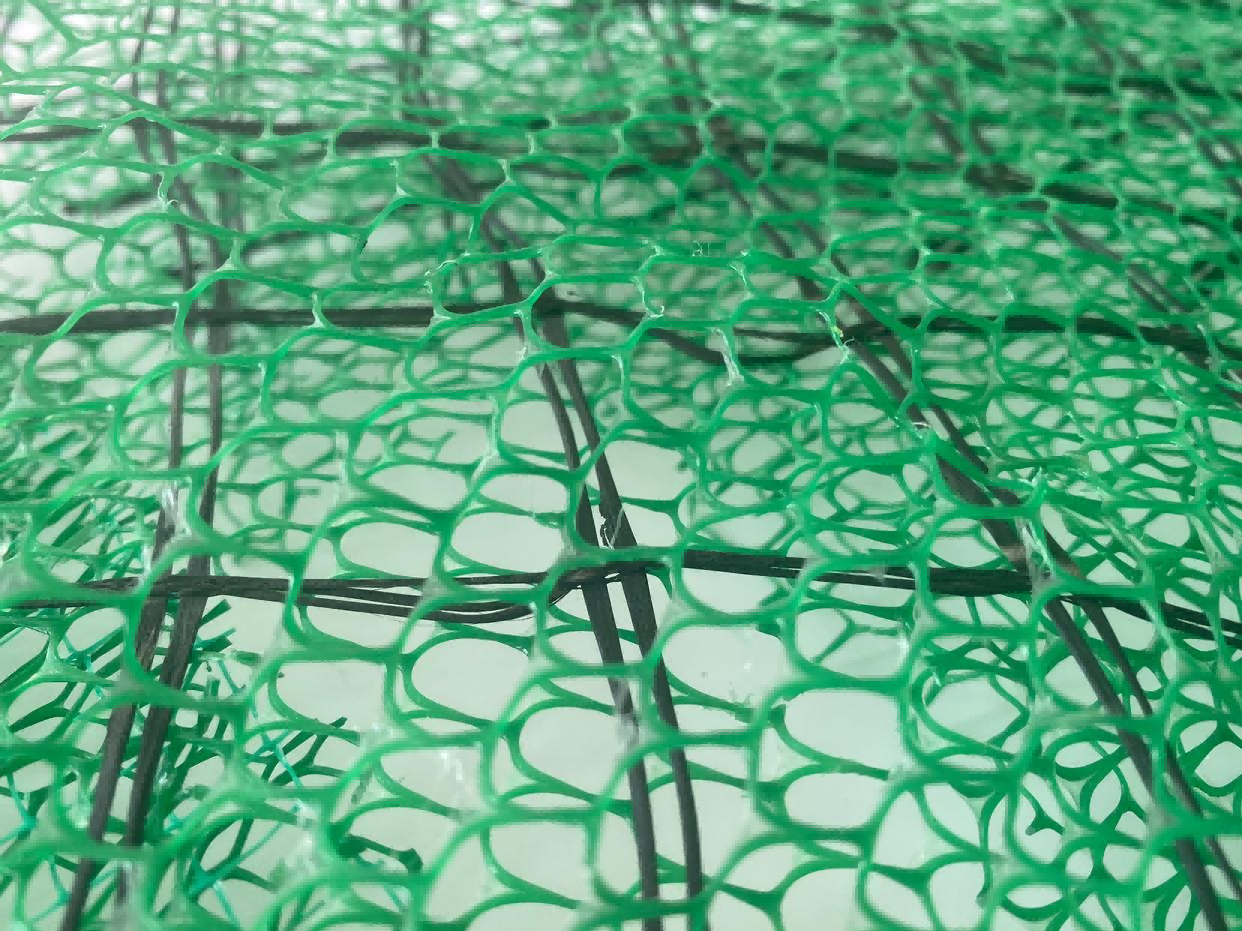
When you run your hand across the surface, a quality geomembrane feels uniformly smooth without unexpected bumps or grainy patches. This consistency isn't just cosmetic; it reflects precise manufacturing control over resin blending and extrusion thickness. Look closely at the edges where panels will be welded—cheaper materials often show minor delamination or fuzzy fraying that later complicates seaming. A product that starts flat and stays flat during unrolling demonstrates dimensional stability, something that only comes from proper stress relief during production.
Pay attention to subtle gloss variations under natural light. While high shine might catch the eye, excessively glossy surfaces can indicate an overabundance of lubricants or recycled additives that compromise long-term stress crack resistance. Conversely, a uniformly matte or satin finish typically points to a well-balanced formulation optimized for chemical compatibility. Flex the material slightly; a brittle response or surface whitening at the bend suggests insufficient flexibility, which could lead to cracks during installation or thermal cycling.
Even the unprinted selvage area along rolls holds clues. On high-grade geomembranes, this narrow edge reveals consistent coloration throughout the cross-section, proof that the manufacturer didn't skimp on antioxidant packages or carbon black dispersion. Rub your thumb firmly on an uncleaned surface—excessive black powder transfer signals carbon black blooming, a condition that accelerates UV degradation. These details rarely appear in datasheets, but they separate products that will endure from those destined for premature failure.
From Mining to Aquaculture: Unlikely Uses of HDPE Liners
High-density polyethylene liners have long been the backbone of containment in mining operations, where they prevent toxic leachate from seeping into groundwater. But the same toughness that makes them indispensable for holding back cyanide solutions also suits them surprisingly well for raising shrimp and fish. In aquaculture ponds, these liners create a smooth, impermeable barrier that stops soil-borne pathogens from infecting stocks while making it far easier to scoop out waste and leftover feed. The shift from ore processing to aquatic farming might seem odd, yet the chemistry that withstands harsh chemicals also resists the slow degradation caused by constant water exposure and UV radiation, giving pond operators a reliable surface that can last over a decade with minimal upkeep.
Beyond standard rectangular ponds, HDPE liners are finding homes in recirculating aquaculture systems and even backyard koi setups. Their flexibility allows them to conform to oddly shaped excavations and rocky terrain without tearing, a trick that rigid concrete tanks can't match. Installers often heat-weld panels on site, creating seamless joins that eliminate the leak-prone seams of older materials. In some regions, farmers have repurposed decommissioned mining pits into fish farms by simply lining the steep walls, turning environmental liabilities into productive assets. It's a quiet revolution in land use, where a material designed for heavy industry now helps put dinner on the table.
The Hidden Mistakes in HDPE Installation (and How to Avoid Them)
It’s not the big, obvious errors that usually cause HDPE installations to fail—it’s the small, seemingly harmless shortcuts. One of the most common is ignoring the pipe’s thermal expansion and contraction. HDPE moves significantly with temperature changes, yet many installers anchor it rigidly or bury it without adequate slack. This leads to stress cracks and joint failure months later. The fix is simple: allow for movement, use expansion loops, and never pull the pipe taut in hot weather.
Another hidden pitfall is improper fusion technique, particularly with electrofusion fittings. Even experienced crews sometimes skip cleaning the pipe surface thoroughly or fail to maintain consistent pressure during the fusion cycle. The result looks fine initially, but microscopic contamination creates weak spots that eventually leak. Taking the time to properly scrape and clean the pipe ends, and using a calibrated fusion machine, makes all the difference.
Finally, backfill selection is often treated as an afterthought. Dumping native soil riddled with rocks and debris directly onto the pipe can cause point loading and long-term deformation. It’s tempting to rush, but the extra hour spent placing and compacting gentle, select fill around the pipe prevents costly digs and repairs down the line.
Price vs. Longevity: The Economics of HDPE Geomembranes
Choosing a geomembrane often pits upfront price against projected service life, and HDPE sits squarely in the middle of that tug-of-war. It’s not the cheapest option off the shelf—PVC or reinforced polyethylene might undercut it by a noticeable margin. Yet the real story isn’t what you pay on day one; it’s how those numbers shift over a decade or two. A liner that needs patching or replacement in five years can easily double its total cost, while HDPE’s typical 30-plus-year track record quietly flips the economics in its favor.
The longevity factor chips away at the initial price gap through avoided downtime and labor. Think about a landfill cell or a mining heap leach pad: every tear or seam failure triggers not just a repair bill but also operational delays that erode revenue. HDPE’s resistance to chemical attack and stress cracking means fewer of these disruptions, making its life-cycle cost surprisingly lean. When you stretch the timeline to match the asset’s intended use, that steeper purchase price starts looking more like a deposit on peace of mind.
A telling comparison emerges in water containment applications. A lined pond using a bargain membrane might require a full liner replacement within eight years, swallowing any initial savings with double installation costs. With HDPE, the same pond could still be holding strong after three decades, and the annualized expense shrinks to a fraction of the alternative. It’s this long-game arithmetic that turns many project planners away from sticker shock and toward the material’s quiet reliability.
Next-Gen HDPE: How New Tech is Changing Liner Performance
High-density polyethylene liners have come a long way from the thick, rigid sheets of the past. Today's formulations incorporate advanced polymer blends and nano-scale additives that boost flexibility without sacrificing toughness. This means liners can now conform to irregular surfaces and resist punctures in demanding environments like mining heap leach pads or landfill cells. The real breakthrough lies in how these materials handle stress: they distribute loads more evenly, reducing the risk of sudden failure over time.
Another shift is happening in manufacturing precision. Automated extrusion lines now maintain micron-level thickness control, virtually eliminating weak spots that plagued older liners. On top of that, some next-gen variants feature built-in conductive layers that allow for rapid spark testing during installation—a game changer for quality assurance. Field welders are noticing faster bonding times and stronger seams, thanks to surface treatments that improve heat transfer. It's not just incremental improvement; it's a rethinking of what a liner can do when you blend material science with smarter production techniques.
Longevity is where the new tech really shines. Exposure to UV radiation and harsh chemicals used to degrade liners within a few years, but modern stabilizers and co-extruded barrier films are extending service life dramatically. Engineers are now specifying HDPE liners with confidence for applications that once required multiple protective layers. The result? Projects stay under budget longer, and the environmental containment they provide becomes more reliable than ever before.
FAQ
HDPE stands for High-Density Polyethylene, a thermoplastic polymer made from petroleum. As a geomembrane, it’s essentially a very robust, flexible sheet engineered to act as a barrier against liquids, gases, and contaminants. It’s considered top-tier because of its exceptional chemical resistance, ultraviolet (UV) stability, and stress crack resistance. These liners don’t easily degrade when exposed to harsh chemicals, sunlight, or extreme weather, making them a go-to for long-term containment projects like landfills, mining operations, and wastewater treatment facilities.
When stacked against materials like PVC or EPDM, HDPE generally offers superior longevity. PVC can become brittle over time due to plasticizer loss, and EPDM, while flexible, doesn’t hold up as well against certain chemicals and punctures. HDPE’s high density provides tougher mechanical properties, meaning it can handle greater physical stress and resists tearing and punctures far better. Its chemical inertness also means it won’t react with most stored substances, preventing premature breakdown. For projects where the liner is expected to last decades, HDPE is almost always the preferred choice.
Essentially, any scenario where you need a reliable barrier for long-term protection. Landfills are a prime example—they use HDPE liners to prevent leachate from contaminating groundwater. In mining, heap leach pads rely on these liners to safely collect chemical solutions. Other key applications include aquaculture ponds, agricultural irrigation canals, secondary containment for industrial chemical tanks, and even decorative water features. The common thread is harsh exposure and the need for a liner that won’t fail prematurely.
First, check the resin source—virgin HDPE resin is far more reliable than recycled mixes. Look for a smooth, uniform surface without bumps or pinholes. Technical specifications matter: thickness (commonly 1mm to 3mm), density (around 0.940 g/cm³ or higher), and stress crack resistance values. The best manufacturers provide clear technical data sheets and third-party certifications. Also, consider the manufacturing process; high-quality liners are often produced using flat-die extrusion or blown film methods with strict quality controls. Finally, verify that the product has been rigorously tested for its intended use, whether it’s for a landfill or a potable water reservoir.
A well-manufactured and properly installed HDPE liner can easily remain functional for 30 to 50 years, and in some cases even longer. The actual lifespan depends on factors like exposure conditions, the chemicals it’s in contact with, and temperature fluctuations. Accelerated aging tests and field studies suggest that HDPE retains its tensile strength and elongation properties for decades when shielded by soil or water. Even in exposed applications, modern formulations with carbon black or other UV stabilizers significantly slow down degradation, so the liner remains flexible and crack-resistant.
Absolutely—installation can make or break even the best liner. The subgrade must be smooth, compacted, and free of sharp objects; a protective underlayment is often recommended. Seaming is critical: hot wedge welding or extrusion welding creates the strongest, most leak-proof joints. Temperature and humidity during welding need to be carefully controlled to avoid weak seams. Also, avoid stretching the liner too tightly; it needs some slack to accommodate thermal expansion and settlement. Using experienced, certified installers is non-negotiable for ensuring the liner performs as designed.
It might seem counterintuitive that a plastic product can be environmentally friendly, but in the context of containment, HDPE is a protector. By effectively preventing harmful substances from leaking into soil and water, it safeguards ecosystems. The material itself is non-toxic and can be manufactured with carbon black for UV resistance without harmful additives. At the end of its life, HDPE is also recyclable—some manufacturers even reclaim used liners for reprocessing into other plastic products. So, while not biodegradable, its role in pollution prevention and recyclability gives it a solid environmental profile.
Conclusion
Picking the best HDPE geomembrane isn’t about grabbing whatever’s cheapest or most advertised—it’s about understanding the polymer science that transforms raw polyethylene into a barrier tough enough to shrug off chemicals, UV exposure, and decades of stress. Real protection comes from liners engineered with uniform thickness, high-density resin blends, and just the right carbon black content, because shortcuts in material formulation show up later as brittle cracks or seam failures. Beyond the lab specs, quality reveals itself in subtle ways: a surface free of pinholes and specks, consistent edge trim, and manufacturer traceability that proves the roll isn’t a mystery batch from a broker. Those quiet signs matter whether you’re lining a gold mine’s heap leach pad, capping a spent landfill, or building a shrimp pond in brackish water—applications that stretch far beyond the typical landfill stereotype. Even aquaculture operations now rely on HDPE’s inert chemistry to keep disease out and water chemistry stable, proving the material’s versatility when the grade is right.
Yet no top-tier liner performs well if it’s manhandled during deployment. Too many projects unravel because crews drag panels over unprepared subgrades, ignore thermal expansion wrinkles, or rush wedge welds without destruct testing. Avoiding those hidden installation sins demands a geosynthetics-tuned QA/QC plan—one that treats every seam like a weak link until proven otherwise. And while upfront cost competes for attention, the real economics tilt toward longevity: a liner that fights off oxidative degradation for 40 years under a rising slurry pile is cheaper in the long run than one needing patches in year three. New technologies are tilting the scale further. Advanced antioxidants, conductive-backed liners for spark-testable seams, and even graphene-doped formulations are moving HDPE beyond its 20th-century roots, turning a simple plastic sheet into an engineered system that actively resists stress cracking and installation damage. When all these pieces align—smart material science, honest quality signals, multimodal usage, disciplined installation, and life-cycle thinking—you get the best HDPE geomembrane, not because a brochure says so, but because the liner quietly holds while everything around it tries to break through.
Contact Us
Contact Person: Jennifer LEE
Email: [email protected]
Tel/WhatsApp: 8618553418999
Website: https://vip.e-baixing.com/wenfengshitong