

Best OEM Suppliers for Ground Mount Solar Racking: A Complete Sourcing Guide
2026-06-29
Ground-mounted solar racking systems are the backbone of utility-scale projects, yet sourcing top-tier OEM suppliers remains a daunting task—especially when quality, cost, and engineering support can make or break your ROI. Imagine bypassing the usual trial-and-error and diving straight into a curated selection of partners who actually deliver on their promises. That’s where Topfencesolar comes in: with years of hands-on experience in solar mounting solutions, they’ve distilled the essentials into this complete sourcing guide. Whether you’re scouting for corrosion-resistant aluminum frames or heavy-duty steel structures capable of withstanding extreme wind loads, you’re about to discover what truly sets elite manufacturers apart. Ready to cut through the noise and secure a supply chain that powers your projects forward? Let’s dig in.
What to Look for in a Ground Mount OEM Partner
A reliable ground mount OEM partner doesn’t just ship components—they bring engineering insight to the table. Look for a company that asks about your site’s soil conditions, wind loads, and local permitting quirks before quoting a price. The best partners treat your project as a collaboration, not a transaction, and they’ll flag potential installation headaches early enough to avoid costly fixes later.
Manufacturing capacity matters, but consistency matters more. Dig into how they handle material sourcing—do they rely on spot-market steel, or do they have locked-in supplier relationships that protect you from price swings? Check whether their mounting systems have been tested in environments similar to yours, whether that’s hurricane-prone coasts or freeze-thaw regions. And don’t just take their word for it; ask for references from projects of comparable scale and complexity.
After the delivery, what happens? A partner worth sticking with offers responsive support when bolt tensions need checking or terrain adjustments arise. Some go further, providing on-site training or digital assembly tools that shorten learning curves for your crew. Steer clear of manufacturers who vanish once the pallets are unloaded—ground mount arrays demand ongoing nuance that a voice at the other end of the phone can solve.
Material Choices That Impact Long-Term Performance
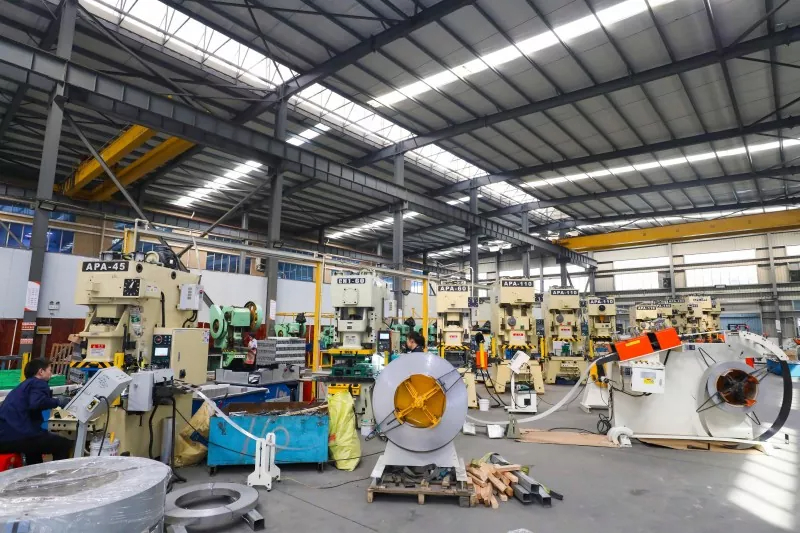
When engineers pick materials, the focus often narrows to upfront costs or availability. But what truly shapes a project’s longevity is how those materials age. A slightly more expensive alloy with corrosion resistance can outlast a cheaper alternative by decades, slashing replacement frequency and unexpected downtime.
Environmental exposure is a silent aggressor. In coastal settings, for instance, stainless steel or specialized coatings prevent salt-induced pitting that would eat through untreated carbon steel. Similarly, UV-stable polymers retain strength where standard plastics grow brittle and crack. Ignoring these details leads to maintenance nightmares that budgets never anticipated.
The way materials interact under stress also matters. Thermal expansion mismatches causing joints to loosen, or galvanic corrosion between dissimilar metals—these are design oversights that time amplifies. Treating material selection as a long game, not a box to tick, separates structures that quietly endure from those needing constant intervention.
Custom Engineering Without the Price Premium
Our approach to custom engineering redefines affordability by leveraging modular design principles. Instead of starting from scratch for every project, we assemble solutions from pre-validated, high-quality components that can be configured to meet your exact needs. This eliminates the costly R&D typically associated with bespoke systems, allowing you to get a tailored product without the typical markup.
We don't believe customization should mean compromise or inflated costs. By using advanced simulation tools and a streamlined development process, we reduce iteration time and material waste. The result is a faster turnaround and a price point that feels off-the-shelf, even though the solution is uniquely yours. Our engineers focus on smart adaptation, not reinvention, ensuring every dollar you spend goes toward value, not overhead.
Transparency is at the core of our cost-saving strategy. We involve you early in the design conversation, aligning on priorities and constraints that drive efficiency. By avoiding unnecessary complexity and sticking to practical, proven methods, we deliver custom-engineered outcomes that fit your budget as seamlessly as they fit your specifications. It's high-level engineering, made accessible.
Quality Assurance Checks You Can’t Skip
It’s easy to treat QA like a final checkbox, rushing through tests when deadlines loom. But some checks are so foundational that skipping them turns every other result into guesswork. Take input validation, for example—it’s not glamorous, yet passing unfiltered data between modules can corrupt downstream reports in ways that no amount of end-to-end testing will catch cleanly. When you let that slide, you’re not just leaving a bug; you’re eroding the trustworthiness of your entire test suite.
The checks that get skipped often hide in plain sight inside integration points. A payment flow might pass all unit tests, but if the transaction ID isn’t being persisted correctly across the order service and the payment gateway’s webhook, you’re setting up reconciliation nightmares for the finance team. Similarly, error states deserve the same scrutiny as happy paths—what happens when an API times out mid-step? Without simulating those controlled failures, you’re essentially shipping blind spots that only surface at 3 a.m. under real user load.
Don’t let automation lull you into a false sense of coverage. Scripts can verify that a button is clickable, but they can’t tell you if the workflow feels broken to a human being. Manual exploratory sessions remain irreplaceable for uncovering subtle UI glitches or logical dead ends that no test case captured. The real art is knowing which checks to automate tightly and which to walk through with fresh eyes each release—skip that balance, and you risk building a product that passes every scripted check yet still frustrates the people who matter most.
Streamlining Shipping and Handling Across Borders
Managing cross-border logistics can feel like navigating a maze without a map. When you're moving goods from one country to another, the paperwork alone can eat up hours—customs forms, duties calculations, and ever-changing regulations. A smarter approach starts with automating the routine parts, so your team can focus on exceptions rather than data entry.
Technology can quietly smooth out the wrinkles in international shipping. By integrating dynamic rate comparison tools directly into your order workflow, you sidestep manual quoting and often uncover faster, cheaper routes. Pair this with a dashboard that highlights delays or holds in real time, and suddenly a shipment stuck in customs becomes a quick fix instead of a customer crisis.
Beyond the digital layer, building a network of regional fulfillment partners transforms speed. Instead of dispatching everything from a single warehouse, you store inventory closer to your customers. This not only trims transit times but also reduces the complexity of cross-border tariffs. The goal isn't just moving boxes—it's removing the friction so your buyers hardly notice the distance.
Turning Suppliers into Strategic Allies
Most companies still treat suppliers as interchangeable vendors, negotiating on price alone and switching when a cheaper option appears. This short-term mindset overlooks the deep expertise and innovation potential that suppliers can bring. When you view them merely as order-takers, you miss out on collaborative problem-solving, early access to new materials or technologies, and the agility that comes from a trusted partner who understands your business as well as their own.
Shifting to a strategic alliance requires more than just a longer contract. It starts with open-book transparency — sharing forecasts, challenges, and even cost structures. In return, you invite suppliers into product development discussions and joint planning sessions. This mutual openness builds a foundation of trust that goes beyond transactional obligations. Over time, both sides begin to see each other as extensions of their own teams, adjusting processes and priorities in real time without endless renegotiations.
The payoff is tangible. Allied suppliers often voluntarily suggest design improvements that cut costs or enhance quality, because their success is tied to yours. They may also prioritize your orders during material shortages or rush prototypes without a purchase order. By co-investing in capacity or sharing risk on new ventures, you create a relationship where both parties are motivated to drive the other’s growth. In an unpredictable market, these deep ties become a durable competitive advantage that no single bidder can easily replicate.
FAQ
OEM suppliers can provide customized designs that fit your specific project requirements, often at a lower cost than branded options. They also allow for greater flexibility in material selection and manufacturing processes, which can lead to faster turnaround times and improved supply chain reliability.
Look for suppliers with a proven track record, such as years of experience in solar mounting solutions, relevant certifications (like ISO 9001), and a portfolio of completed projects. It's also wise to request samples, visit factories if possible, and check references from past clients to assess quality and consistency.
A reputable manufacturer should adhere to international standards such as ASTM for materials, ISO for quality management, and structural codes like ASCE 7-16 for wind and snow loads. They should also offer warranties on structural integrity and corrosion resistance, often 10-20 years.
OEM sourcing typically offers cost savings and the ability to tailor products to specific site conditions, while established brands provide recognized quality and easier financing. The trade-off is that OEM requires more due diligence but can result in a more optimized and cost-effective solution for large-scale installations.
Common pitfalls include overlooking material quality, insufficient wind and snow load certification, poor corrosion protection, and unreliable after-sales support. To avoid these, always verify technical specifications, ask for test reports, and negotiate clear contractual terms covering performance and delivery.
The process usually involves cutting and shaping steel or aluminum components through techniques like roll forming or stamping, followed by hot-dip galvanizing or anodizing for corrosion protection. Assembly components are then packed and shipped, often with pre-assembly to reduce on-site labor.
Conclusion
Choosing an OEM partner for ground-mounted solar racking goes beyond a simple transaction—it's about finding a team that understands your project's structural demands and long-term viability. Start by evaluating how deeply a supplier can engage with your specific site conditions, from soil composition to wind loads, without defaulting to one-size-fits-all designs. A genuine partner will walk you through their material selection process, explaining why they recommend a particular steel grade or coating, and how those choices stand up in corrosive or high-humidity environments. Look for those who offer tailored engineering as a standard part of their service, not a premium add-on, because the best solutions often emerge from adapting standard components rather than starting from scratch. This flexibility signals that they’ve solved complex terrain challenges before and aren’t just pushing catalog parts.
A reliable supplier also takes ownership of quality control steps many buyers overlook, such as verifying bolt torque consistency or checking weld integrity under cyclic loads—things that directly affect structural safety over 25 years. Equally critical is how they manage logistics across borders; clear labeling of components, consolidated shipments, and familiarity with regional import rules can prevent budget-busting delays at the port. Over time, the relationship matures into a strategic alliance where their engineers anticipate your next project’s needs, suggest cost-effective tweaks during the design phase, and openly share failure analyses from past installations to prevent repeats. That level of collaboration turns a supply chain link into a competitive advantage, allowing you to build faster and worry less about what’s beneath the panels.
Contact Us
Contact Person: Nancy
Email: [email protected]
Tel/WhatsApp: +86-13365923720
Website: https://www.topfencesolar.com/