

Best RF Skin Tightening Machines That Deliver Noticeable Firming at Home
2026-11-16
Tired of seeing your skin lose its bounce but can’t justify weekly spa trips? You're not alone. The best RF skin tightening machines now deliver salon-grade firming right in your living room—and Omeina is one of the few brands actually getting it right. Here's what to look for before you buy.
What Makes At-Home RF Different From a Spa Visit
Walk into a spa for radiofrequency and you’re met with a chilled treatment bed, a clinician mapping your face, and a machine that hums at a level your home device won’t reach. Professional RF units operate at higher wattage and can drive heat deeper into the dermis, which is why a single session often gives that visibly lifted, post-facial look. At-home RF tools are deliberately dialed down to comply with safety standards for untrained hands, so the heat stays superficial and the results build over weeks rather than hours.
The real gap isn’t just power—it’s pacing. A spa treatment is an event: you book, commute, fill out forms, and then block off an afternoon for redness to settle. Home RF slots into the ten minutes before bed, maybe while your serum sinks in, and you can repeat it two or three times a week without anyone else’s schedule. That consistency matters more than a single aggressive pass, especially for maintenance between professional visits.
Sensation tells you a lot about the difference. In a clinic, you’ll likely feel sharp, quick heat with a cooling gel or cryogen spray to protect the surface; some places even offer numbing cream. At-home devices tend to feel like a slow, warm glide—comfortable enough to do while half-watching a show—but you won’t get that same deep, almost aching warmth. Neither is strictly better; they’re designed for different jobs, and the best routines often use both.
The Real Reason Radio Frequency Helps Skin Look Firmer
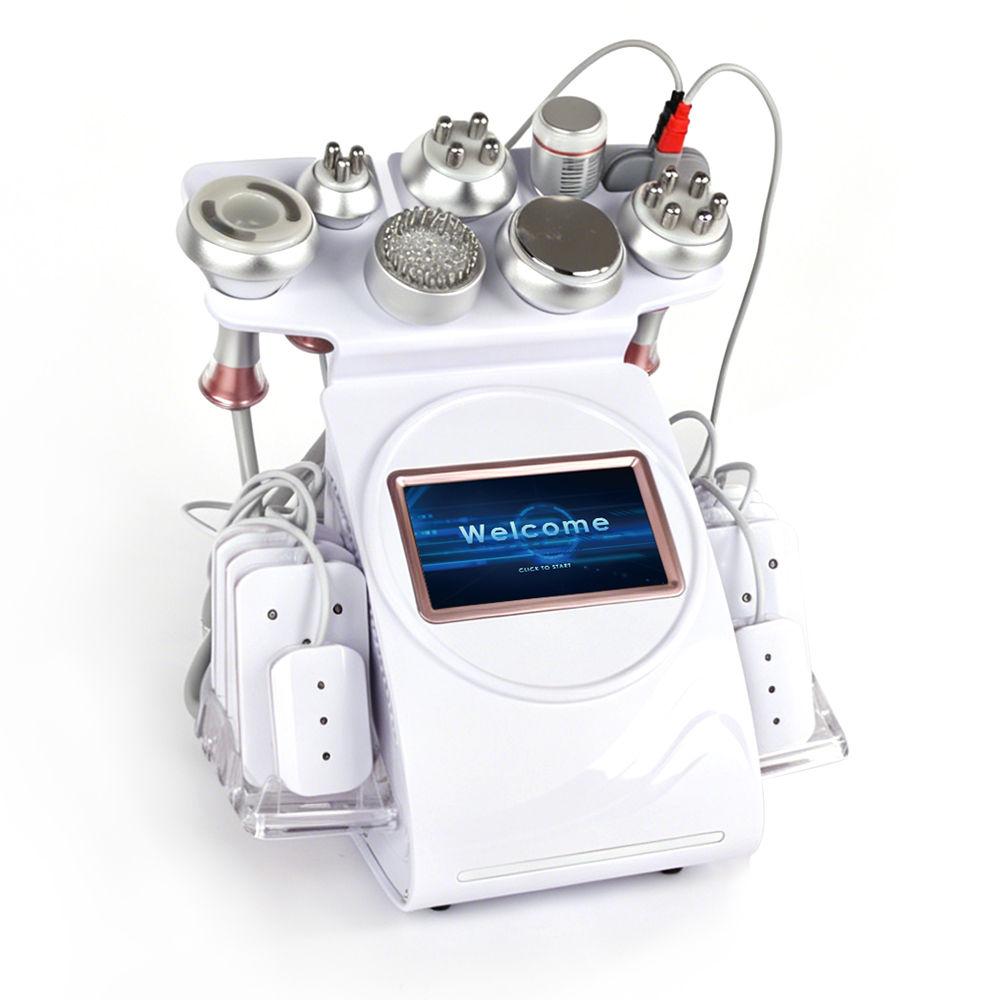
Most people assume radio frequency works by simply heating the skin until it tightens, but that misses the real mechanism. The energy targets the deeper dermal layer where collagen fibers live. When that tissue reaches around 40–45°C, the existing collagen triple helices partially denature and contract. That immediate contraction is what gives the early lift, but it's the controlled thermal injury signal that matters more—fibroblasts interpret the heat as a call to produce new collagen and elastin over the following weeks.
What makes radio frequency different from lasers or peels is that it bypasses the epidermis almost entirely. The impedance of the skin layers directs the current toward the water-rich dermis, sparing the surface. This is why downtime is minimal and why results keep improving even after the appointment. The skin doesn't just snap back; it rebuilds its scaffolding from within, which shows up as smoother texture and a more resilient bounce rather than just tightness.
Some devices also create micro-channels of heat in a fractional pattern, leaving surrounding tissue intact. That patchwork of treated and untreated zones accelerates the repair response without overwhelming the skin. In the end, the firming isn't from melting fat or shrinking tissue—it's from your own fibroblast activity being switched back on after years of slowing down.
How to Pick a Machine That Won't Collect Dust
Before you hand over your credit card, ask yourself one blunt question: what task am I actually going to repeat every single week? Most machines end up buried under laundry because they solve a problem we imagine having, not one we actually live with. That fancy bread maker seemed brilliant until you remembered you hate waiting three hours for a loaf you can buy for four dollars. So write down the last five times you muttered, “I wish I had a tool for this.” If the machine doesn’t address at least two of those moments, walk away.
Space and setup time are the silent killers of good intentions. A juicer that takes ten minutes to assemble and fifteen to clean will lose to a blender you can rinse in thirty seconds, even if the juice is objectively better. Measure the counter footprint and be honest about your tolerance for fuss. The machine that gets used is the one that stays within arm’s reach and requires zero motivation to start. If it has to live in a high cabinet behind other boxes, you’ve already decided it’s a once-a-year gadget.
Finally, ignore the feature list and watch a real person use the thing for a month. Not a review video with dramatic lighting — find a friend who owns one and ask what they stopped using it for. Pay attention to the small frictions: cord length, noise level, how many buttons you need to press before anything happens. The best machine isn’t the most powerful or the most praised; it’s the one that makes a repetitive chore feel so effortless you’d rather use it than skip the chore. If you can’t picture that happening on a tired Tuesday night, keep your money.
Common Mistakes That Slow Down Visible Tightening
A surprising number of people stall their own results by treating the skin like it needs to be stripped clean. Over-cleansing, especially with foaming or squeaky-clean formulas, disrupts the acid mantle and leaves the barrier so depleted that any firming active can't hold water long enough to visibly tighten. Then they layer on aggressive toners or skip moisturizer altogether, assuming oily skin doesn't need it, which only triggers more surface oil while the deeper layers lose elasticity. The fix isn't more products; it's leaving the barrier alone long enough to do its job.
Another pattern that slows everything down is inconsistency combined with impatience. You might use a retinol or peptide serum diligently for two weeks, then switch to a new exfoliant because you don't see immediate lift. That stops the dermal remodeling process before it gets traction. Visible tightening is slow because collagen and elastin turnover operates on a six-to-eight-week cycle, not a weekend. Meanwhile, skipping daily sun protection undermines every effort, since UV exposure breaks down the very fibers you're trying to rebuild. If you're rotating too many actives or testing a new routine every few days, you're not giving your skin a chance to adapt and respond.
Where to Use RF at Home—and Where to Skip It
When using an at-home RF device, the goal is to stimulate collagen where skin has enough underlying support. The jawline, cheeks, and the area just under the chin tend to respond well because there’s a bit of fat and muscle beneath the surface for the energy to reach without sitting directly on bone. You can also work along the lower forehead and around the mouth, but keep movements slow and avoid pressing too hard.
Skip areas that are thin, delicate, or packed with glands. The eyelids, the front of the neck over the thyroid, and directly over the lips are poor candidates. Any spot with broken skin, active acne, or recent filler should be left alone, and if you have metal implants or a pacemaker, check with a doctor first. Bone-heavy zones like the temples or the bridge of the nose won’t give you much benefit and can feel uncomfortable.
A quick arm test can tell you how your skin reacts before you move to your face. Start with the lowest setting on a small patch, wait a day, and then proceed if there’s no redness or irritation. It’s better to do short, consistent sessions on the right areas than to chase a stronger sensation where it doesn’t belong.
When You Should Actually Expect to See a Difference
Most people abandon a new routine before it has a chance to work, not because it's ineffective, but because their timeline was unrealistic from the start. The truth is, visible change rarely happens in the first few days—your body and mind need time to register the new input. Expect the first week to feel like a warm-up: you might notice subtle shifts in energy, sleep quality, or mood, but not the dramatic before-and-after photos you see online.
A more reasonable window for meaningful difference is often between two and four weeks, depending on what you're measuring. If it's strength, you could be adding weight to the bar by week three. If it's skin, a new product might need a full cycle of cell turnover—roughly twenty-eight days—before you see real texture change. Habits, too, follow this rhythm: the discomfort of a new behavior usually fades around the third week, and by the fourth, it starts to feel less like effort and more like normal.
The real danger zone is comparing your day seven to someone else's day thirty. Instead, pick one or two concrete markers and check them at fixed intervals—every two weeks is a solid rhythm. Write down a baseline now, not just the result but how you feel doing it. Then let the calendar do what it does. If you're consistent, the difference will show up, just not on the timeline your impatience prefers.
FAQ
Focus on the device's frequency range (around 1MHz is common for deeper heating), whether it offers multiple energy levels, and the size of the treatment head. A larger head covers more surface but smaller heads work better around the jawline. Also check if it has built-in skin sensors to prevent overheating. Not all devices deliver the same depth, so verify the claimed penetration if possible.
Some people notice a temporary lift right after the first session due to collagen contraction, but real, lasting firming usually builds over 8 to 12 weeks with consistent use. RF stimulates your own collagen production, and that takes time. Doing 2-3 sessions per week for the first month, then tapering to once a week, tends to produce the most noticeable change.
Home devices use lower energy levels for safety, so they won't match a clinic treatment in a single session. However, with regular use over several months, they can produce meaningful tightening for mild to moderate laxity. If you have significant sagging, a professional series might be necessary first, while home RF can help maintain results.
Yes, RF can reduce the appearance of a double chin and soften jowls, but it works best when the skin still has some elasticity. The heat encourages collagen remodeling in the treated area. For fluid-related fullness under the chin, RF alone won't remove fat, so combine it with lymphatic massage or consider other methods if that's the main concern.
Most people feel a warming sensation, like a hot stone massage, that intensifies as the device moves but should never become painful. Many devices have vibration or cooling features to offset discomfort. The key is to keep the treatment head moving constantly; staying in one spot can cause a sharp heat spike.
Typically none. Your skin may look slightly flushed for 20-30 minutes afterward, which is normal. You can apply makeup and go about your day immediately. Just avoid aggressive exfoliants or retinol for 24 hours after a session to prevent irritation.
Anyone with a pacemaker or other implanted electronic device, active skin infections, open wounds, or a history of keloid scarring should skip RF. Pregnant or breastfeeding women are also usually advised to wait. If you have a condition like lupus or are taking photosensitizing medications, consult a doctor first.
Yes, but timing matters. After an RF session, collagen-building ingredients like peptides, vitamin C, or copper peptides can be more effective because the skin is warmed and circulation is boosted. Avoid strong retinoids on the same day, though; use those on non-RF days to prevent over-exfoliation. Hydrating serums with hyaluronic acid also help plump the skin immediately after treatment.
Conclusion
At-home radio frequency devices have narrowed the gap with spa visits, but the core advantage isn't raw power—it's frequency of use. A professional treatment can deliver intense heat in a single session, yet collagen production slows once you stop going. Home machines let you treat the lower face, jawline, and neck several times a week at moderate energy, which matches how fibroblasts actually rebuild tissue. Radio frequency works by gently heating the dermis to around 40–43°C, creating a controlled thermal stress that signals your skin to lay down new collagen and elastin. Because this remodeling takes time, the best device is the one you won't abandon after two weeks. Choose a tool with a comfortable grip, an automatic temperature sensor that prevents overheating, and sessions under 15–20 minutes. If it's too fiddly or heats unevenly, it will end up in a drawer.
Even with a great machine, common mistakes can slow visible tightening. Rubbing the same area too long, using too little gel, or treating daily without rest can irritate the skin and blunt results. Most brands recommend using the device two to three times per week for the first month, then once weekly for maintenance. Safe zones include the cheeks, jawline, under-chin, and forehead, but skip the thyroid gland, upper eyelids, and any region with fillers, implants, or active acne. Realistically, you may notice a smoother texture and slightly lifted contour after three to four weeks, but the firming effect deepens over eight to twelve weeks as collagen accumulates. Consistency and correct placement matter far more than buying the most expensive model.
Contact Us
Contact Person: Tina Liu
Email: [email protected]
Tel/WhatsApp: 8618681405932
Website: https://www.omeinabeauty.com/