

Cement Grinding Aid Supplier Evaluation Checklist for Reliable Plant Operations
2026-09-02
Your cement mill’s performance hinges on more than just clinker quality. The grinding aid you choose—and the supplier behind it—can quietly make or break your plant’s reliability. That’s why we’ve put together a practical supplier evaluation checklist, designed for operators who can’t afford surprises. Whether you’re comparing technical support, batch consistency, or logistics, having a clear framework helps. Companies like HAISEN have built their reputation on delivering consistent, high-performance grinding aids, but the real test comes down to how they measure up against your specific operational needs. In this guide, we’ll walk through the key factors that separate a dependable partner from a risky bet—so you can keep your grinding circuit running at full speed.
Verifying the Supplier’s Claimed Performance in Your Mill
Lab sheets and pilot data rarely survive first contact with a mill's actual furnish, water chemistry, and operator habits. Before you accept a supplier's throughput or yield numbers, pull a representative sample of your own stock or feed and run it through the same test loop you would use for a routine quality check. Compare the claimed performance against a control run using your current material or chemical, not against an empty baseline.
Set up a short, tightly monitored trial: keep the same crew, same shift, same upstream variability, and log every adjustment, no matter how small. If the supplier claims a 12% reduction in energy or a 15% gain in retention, ask them to stand beside the instrument while it records the numbers, and insist on seeing raw trend data rather than a polished summary. Small discrepancies in sampling points or calibration can flatter a product that will underperform once the sales engineer leaves.
After the trial, track the result for at least two full maintenance cycles, not just the first eight hours. A product that shines on day one may foul, degrade, or drift in ways that only show up after routine cleanings or seasonal changes in raw material. If the supplier's claimed performance holds within the agreed tolerance over that stretch, you have something worth negotiating into a longer-term contract; if it doesn't, you have the operational data to push for a revised spec or a price adjustment.
Batch Consistency Checks That Go Beyond Paperwork
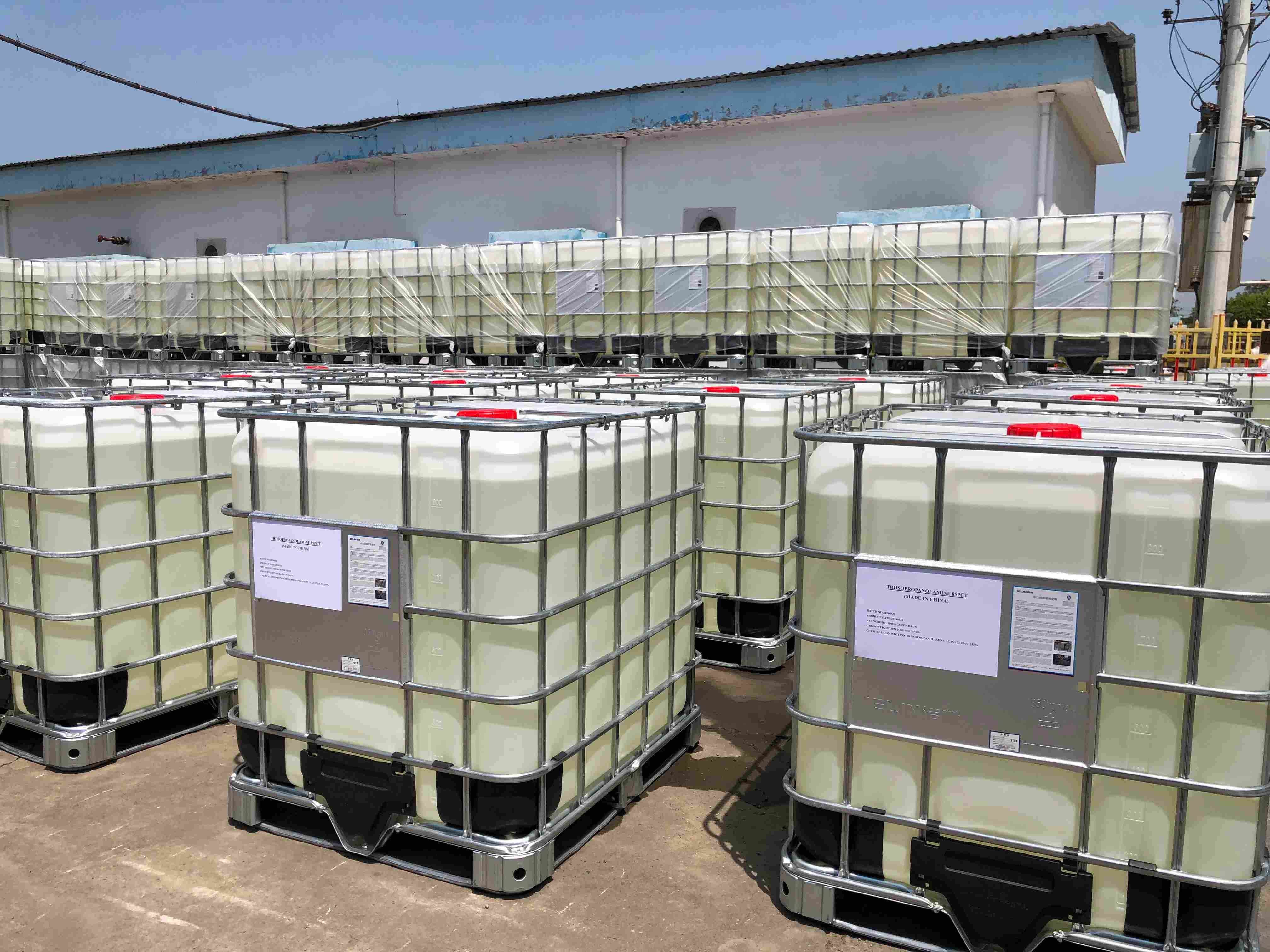
A ticked box on a batch record rarely catches the subtle drift that shows up when two supposedly identical runs sit side by side. Real consistency work starts with pulling retain samples from the last three production lots and laying them out under the same light, against the same white background, next to the current batch. Different operators, different humidity, a supplier's minor raw material change—none of these always appear in the paperwork, but they leave traces in gloss, flow, cure speed, or even the way a coating settles overnight.
We make a habit of running a short panel of physical checks before a batch gets approved: viscosity against a reference curve, grind fineness on a drawdown card, and a quick cure or bond test under conditions that match the customer's line, not just the lab ideal. When a batch falls within spec but still looks or feels off next to the retained standard, that mismatch is investigated rather than explained away. Sometimes it leads to a conversation with the supplier about a lot number they forgot to mention; other times it catches a measurement drift in our own mixing equipment.
The point is not more forms. It is building a small library of physical references and photographs that make drift visible before it becomes a field complaint. Batches that pass on paper but fail a side-by-side smell, texture, or application test get flagged early, and the adjustment happens while the material is still in the plant—not after it has reached a customer's production line.
Lead Times That Align With Unplanned Maintenance
When equipment fails without warning, the clock starts ticking against your bottom line. The window between identifying a fault and restoring full operation often determines whether a minor hiccup becomes a costly shutdown. That's why lead times for critical spares and service support need to be measured in hours, not weeks. Instead of relying on standard shipping windows that assume planned shutdowns, forward-thinking operations negotiate dedicated stock agreements and regional distribution hubs that can deliver overnight or even same-day in emergencies.
Unplanned maintenance rarely follows a tidy schedule, so your supply chain shouldn't either. A rigid, forecast-driven replenishment model breaks down the moment a bearing seizes on a Saturday night or a control board fails during peak production. The most resilient teams build in contingency buffers for the parts most likely to fail unpredictably—think motors, sensors, seals, and circuit breakers—while keeping a close eye on actual consumption patterns. This lets you shift from reactive scrambling to a state of ready availability, where the lead time matches the real-world urgency of the failure, not an abstract procurement calendar.
Another layer often overlooked is the lead time for diagnostic expertise. Even when a spare part arrives quickly, a delayed root-cause analysis can stall the repair for days. Partnering with suppliers that offer remote troubleshooting or on-call engineering support effectively compresses the total lead time from breakdown to restart. By aligning both physical components and human knowledge around the unpredictable nature of unplanned maintenance, you build a system that doesn't just react faster—it absorbs disruption without spiraling into extended downtime.
Response Speed for On-Site Grinding Aid Adjustments
Adjusting grinding aid dosage at the mill doesn't tolerate hesitation. Once the feed blend, moisture, or clinker temperature drifts, the window for a corrective tweak can close within minutes. Operators who rely on periodic lab checks often discover the problem after the damage is done, while a well-tuned on-site setup catches the shift through mill sound, elevator load, or blaine trends and reacts before product quality slips.
The real bottleneck is rarely the chemical itself—it's the loop between observation and action. Shortening that loop means having a clear chain of command on the floor, pre-mixed dosing options ready, and a simple log that ties each adjustment to the observed change. When a shift supervisor can approve a small dosage bump on the spot instead of waiting for a formal review, the mill keeps running closer to target for longer stretches.
Safety Data Sheets and Environmental Permits That Pass Audit
A safety data sheet binder that sits unopened on a shelf won't survive a serious audit. Inspectors typically pick a chemical at random from the storage area and ask to see its SDS on the spot. If the sheet is outdated, missing, or printed in a format that doesn't match the current Globally Harmonized System, the finding is almost automatic. Linking your SDS library to the actual inventory system—so every new purchase triggers a document review—prevents the most common mismatch. Also keep digital copies accessible on a tablet or terminal near the handling area, because auditors tend to check whether workers can retrieve hazard information without hunting through a filing cabinet.
Environmental permits demand more than a framed copy in the front office. The conditions inside—emission limits, sampling frequencies, wastewater parameters, waste storage time limits—are what auditors compare against daily logs and meter readings. A frequent failure occurs when a facility changes a production process or adds a new piece of equipment but never updates the permit or checks whether the existing limits still apply. Before an audit, walk through each permit condition line by line and assign it to a specific person who records compliance on a simple check sheet. That check sheet should show actual values, not just a checkmark, so there's a clear trail from permit language to operating data.
Tie the two systems together in a single compliance calendar. SDS updates, permit renewal dates, stack test schedules, and training refreshers all belong on the same timeline. Auditors respond well to evidence of ongoing attention—dated revision notes on SDSs, signed training rosters that mention specific permit limits, and internal mini-audits that caught small issues before the official visit. A living system with recent, dated entries carries more weight than a perfectly organized binder assembled the night before.
Total Cost of Ownership Without the Sales Jargon
Forget the glossy brochures and the three-letter acronyms. What actually drains your budget over time isn't the price tag on day one—it's the slow drip of maintenance, upgrades, training, and the hours your team spends wrestling with a tool that was never a natural fit. Most vendors would rather talk about features than show you the real math.
A useful shortcut is to think about the last software or equipment you replaced. Was the replacement driven by failure, or by the quiet realization that the old system cost more to keep alive than to swap? That moment—the one where renewal fees, bolt-on integrations, and workarounds feel heavier than the product itself—is exactly where TCO lives. It's not a spreadsheet formula; it's the accumulated weight of every small compromise.
So instead of asking for a “five-year projection,” ask your vendor what typically breaks first, what support calls look like in year three, and which features nobody ends up using. Those answers tell you more about real ownership cost than any pricing page ever will.
FAQ
Ask for mill-specific references using a similar clinker and separator setup. Then request a small batch for lab grindability tests. Don't skip a conversation about their grinding aid's chloride and alkali content—those can damage preheater or kiln stability if overlooked.
Run compatibility tests with your usual gypsum and mineral admixtures. Pay attention to setting time, water demand, and early strength gain. A product that improves Blaine but delays setting might create customer complaints downstream.
Check whether the supplier blends in-house or just relabels. Ask to see batch production records and quality control samples from recent shipments. A supplier that refuses a plant visit or cannot show traceability should be treated cautiously.
Keep mill feed, clinker chemistry, and separator settings stable for at least 48 hours before switching. Measure energy consumption per ton, not just output. Randomize sample collection and avoid telling the control room which product is running—bias creeps in easily.
Convert everything to cost per ton of cement produced at target fineness. Include grinding aid dosage, electricity savings, mill output change, and any additional water reducer demand in concrete. A cheap product that requires a higher dose often ends up more expensive.
Monitor mill vibration, diaphragm slot coating, and air flow resistance over several months. Some grinding aids boost output initially but leave residue that clogs baghouse filters or coats classifier vanes, driving up maintenance hours.
Ask for a lab trial with your toughest clinker—high free lime or variable sulfate. A good supplier will adjust formulations quickly rather than insisting their standard product works for everything. Check turnaround time for reformulation and on-site technical visits.
Grinding aids can separate, thicken, or corrode dosing lines if storage temperatures fluctuate. Request stability data for your climate and check material compatibility with your existing tanks and pumps. A product that gels in winter causes unplanned dosing interruptions.
Conclusion
Evaluating a grinding aid supplier without running the product through your own mill leaves too much to guesswork. A supplier's datasheet may promise lower energy consumption or better fineness, but those numbers need to be confirmed under your actual clinker chemistry and separator settings. Beyond performance trials, batch-to-batch consistency often separates dependable partners from those who simply pass paperwork audits. Request retention samples from multiple production lots and compare key parameters like amine content, pH, and viscosity. If these drift beyond agreed tolerances, the mill's stability suffers even when certificates look perfect. Lead times also matter more when equipment fails unexpectedly; a supplier who can deliver within days rather than weeks helps you avoid prolonged downtime during unplanned maintenance events.
When grinding conditions shift, response speed for on-site adjustments becomes critical. You need a supplier who can send a technician or adjust formulations quickly, not one who hides behind email chains. Compliance documents such as safety data sheets and environmental permits must hold up under audit, but they should be treated as a starting point, not the final proof. Finally, total cost of ownership deserves a hard look without sales jargon. Calculate the actual cost per ton of cement produced, including dosage rates, freight, storage, and any extra mill downtime caused by inconsistent product. A cheaper grinding aid can easily become the most expensive option if it triggers more wear or forces higher doses. Reliable plant operations depend on suppliers who prove their value in your mill, not just in brochures.
Contact Us
Contact Person: Sam Lee
Email: [email protected]
Tel/WhatsApp: 86-311-6617 8338
Website: https://www.horizonadmixtures.com/