

Conveyor Pulley Manufacturer Mistakes to Avoid When Choosing Your Next Supplier
2026-11-16
Choosing a conveyor pulley supplier often comes down to price and lead time, but those shortcuts can hide serious long-term problems. A pulley that fails early or doesn't match your belt's specifications will cost far more in downtime than you saved on the quote. Before you commit to your next order, it pays to know the common mistakes buyers make—and how to avoid them. YUFENG focuses on the manufacturing details that keep your conveyor line running without surprises.
Buying Before Mapping Belt Tension and Load Spikes
Most conveyor or drive system purchases happen under time pressure, and that’s exactly when skipping the tension and load spike mapping comes back to bite. A belt rated for steady-state loads can handle the average pull just fine and still tear, stretch, or slip when a sudden jam or startup surge hits. Those peaks don’t show up on a standard spec sheet, so buying based only on catalog numbers often means paying twice: once for the wrong belt and again for the replacement.
Map the spikes first, even if it feels slower. Walk the line during normal operation, watch for product bunching, and log current draw on the drive motor over a full shift. A basic data logger or a simple clamp meter can reveal the real peak tension far more accurately than any estimate. Once you have those numbers, you can compare them against a belt’s working load limit and elastic stretch curve. That one extra step turns a rushed purchase into a decision that survives the worst shift the line can throw at it.
Letting Price Hide Thin Shells and Weak End Discs
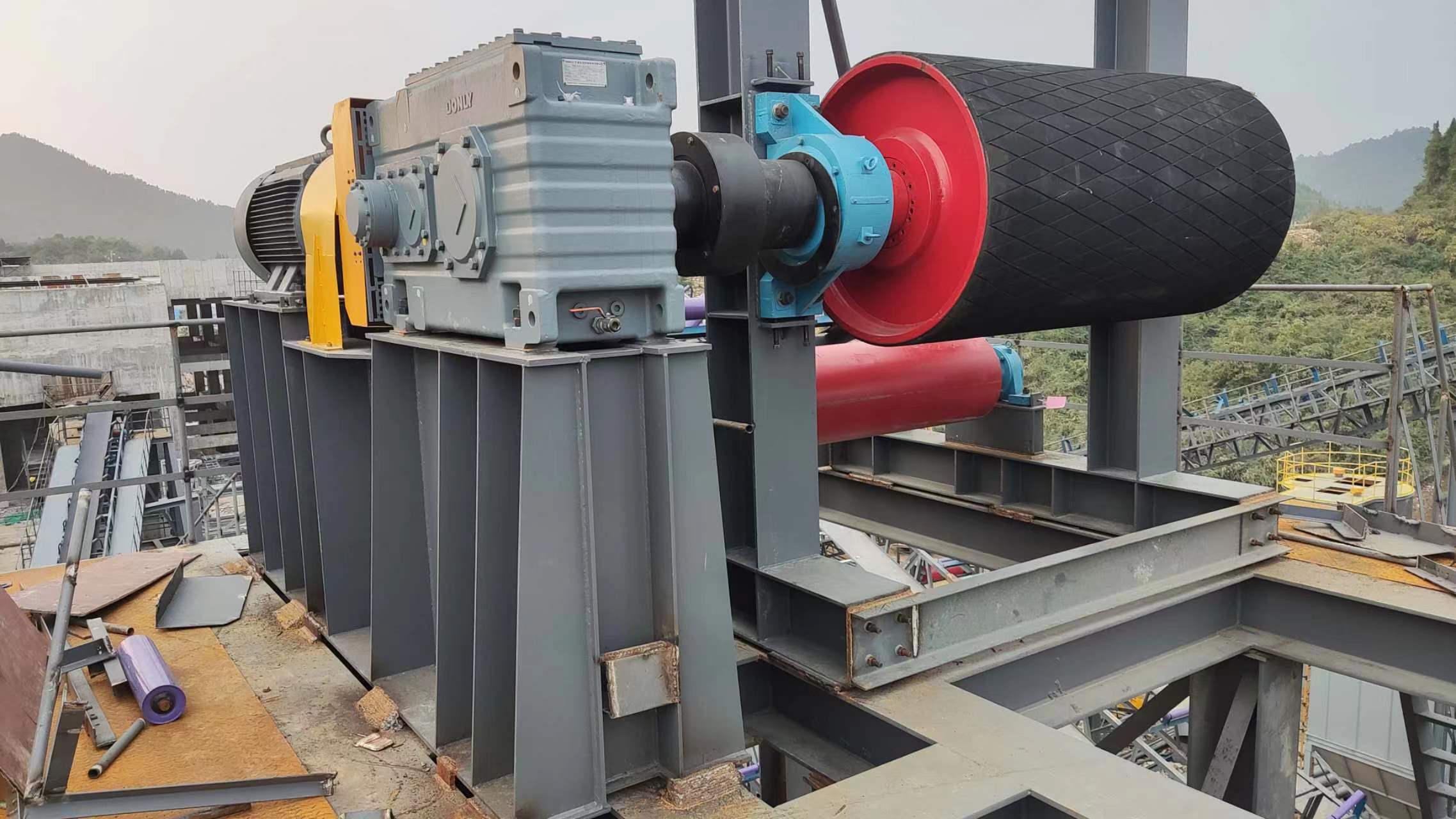
A low sticker price can quietly steer attention away from what actually holds a pressure vessel together. Thin shell walls might pass a quick visual check, but under repeated thermal expansion and pressure cycles they flex just enough to crack coatings, invite corrosion, and shorten service life long before the warranty ends. Weak end discs are even easier to overlook—most buyers never see the back side where a stamped, shallow dome can pop or deform once the system runs at real working pressure instead of a showroom demo.
Comparing tags side by side tells you almost nothing about steel gauge, weld depth, or whether the end discs were hydroformed or simply pressed from lighter stock. That hidden difference is exactly where cheap units give way: a bulging bottom, a slow weep at the seam, a sudden loss of pre-charge. Price should not be the only filter; if the shell and ends are built down to a number, you end up paying for that number twice.
Ignoring Bearing Seals Until Dust and Water Take Over
Most people treat bearing seals as a set-and-forget component. They mount the bearing, close the housing, and move on to the next task. But seals are the only line of defense between precision rolling elements and the outside world, and that world is rarely kind. Fine dust from gravel roads, high-pressure washdowns in food plants, and constant humidity in coastal operations all probe for weaknesses. Once a seal lip wears even slightly or a labyrinth gap opens up, contamination gets inside. The bearing then runs on a grinding paste of grease and particles, which quietly accelerates wear long before any visible damage appears.
Water is an even sneakier intruder. A single overnight temperature swing can pull moisture past a worn seal through breathing action. Emulsified grease loses its film strength, rust starts on unprotected raceways, and micro-pitting follows within weeks. The frustrating part is that the operator often notices nothing unusual at first. Vibration levels may still look acceptable, and the equipment keeps running. By the time noise or heat becomes obvious, the bearing has usually lost a significant portion of its design life. Replacing a seal at the first sign of lip cracking or shaft grooving would have cost a fraction of that downtime.
A better approach is to match the seal to the actual environment rather than the default catalog option. In dusty settings, a triple-lip or labyrinth design with a grease-filled void works far better than a simple single lip. Where washdowns are routine, a contacting lip with a stainless steel garter spring and a secondary excluder lip keeps water out while allowing some grease purge. And where maintenance access is poor, consider a sealed-for-life bearing with integrally molded seals, but don't assume they never need checking. A quick visual inspection during every lubrication cycle costs almost nothing and catches early seal damage before dust and water take over completely.
Taking “Heavy-Duty” at Face Value Without Proof
Manufacturers love to slap “heavy-duty” on everything from work gloves to truck beds, but the label rarely points to a specific standard or test. It sounds reassuring, yet without a defined benchmark it can mean whatever the marketing department wants it to mean.
Instead of trusting the badge, look for measurable details: material thickness, load capacity, stitch density, or documented stress tests. If a product cannot show concrete numbers or independent results, its heavy-duty claim is little more than a decorative phrase.
Products earn that description through repeated use in demanding conditions, not through packaging. Before paying extra for the word, ask for the proof that separates a genuine workhorse from a clever label.
Skipping Shaft Deflection Checks That Lead to Premature Wear
Many maintenance teams treat shaft deflection as something that only matters for high-speed or heavily loaded equipment. But even at moderate speeds, a shaft that flexes more than expected pushes bearings out of alignment, eats up seals, and forces gears or couplings to run on edges instead of faces. The real problem is that deflection isn’t always visible; it shows up later as polished wear bands, fretting marks, or bearing temperatures that climb for no obvious reason. Once that pattern sets in, no amount of lubrication or balancing will undo it.
Checking deflection means measuring actual runout and comparing it to the allowable limit for the shaft length, material, and load. A quick dial indicator setup at the midpoint or load point can reveal whether a shaft is bending too far under its own weight plus operational forces. Skipping this check because the machine 'ran fine last year' is how small bends become permanent sets, and then every component attached to that shaft inherits the problem. If the wear pattern shows one-sided contact or the seals keep failing on the same side, deflection is usually the first suspect—not the last.
Committing to a Full Order Without a Field Test
Deciding to lock in a full order without first running a field test often comes down to timing. You might be staring at a production deadline that simply cannot move, or the vendor has already proven itself on similar jobs. That confidence can be earned, not assumed, but when it exists, skipping the trial run is not automatically reckless.
What makes the difference is the evidence you gather instead of a field test. Ask for detailed performance records from sites with comparable operating conditions, request a teardown of a recently manufactured unit, or rely on independent lab reports. If the component has a long track record in harsher environments than yours, that history can be more persuasive than a two-week trial in your own facility.
You should also build safeguards into the purchase order itself. Agree on measurable acceptance criteria that will be checked immediately upon delivery, and negotiate a clear remedy if those criteria are not met. A phased payment schedule tied to those checks, plus a written commitment from the manufacturer to send engineers if anything looks off, turns a blind commitment into a calculated risk.
FAQ
Going with the cheapest quote without checking what's actually included. A low price often means thinner shell walls, undersized shafts, or no post-weld stress relief. Then the pulley fails early, and the replacement cost plus downtime wipes out any initial savings.
Critical. If they can't provide shaft deflection calculations or don't understand load ratings for different belt tensions, you're gambling. Ask for a sample calculation for your specific application. If they hesitate, move on.
Not always, but many buyers don't realize that standard pulleys are often mismatched to the conveyor's actual duty cycle. A good manufacturer will offer a hybrid approach: standard components with custom machining or lagging to fit your needs without the full custom price tag.
Welds that aren't ground flush, no evidence of dynamic balancing, and vague answers about steel grade. Also check if they do submerged arc welding versus stick welding—it affects consistency. Ask for a factory tour or video walkthrough if you can't visit in person.
Delays are common when a manufacturer overbooks or doesn't stock raw materials. Ask for a written lead time with penalty clauses, and verify their on-time delivery record with existing customers. A pulley arriving two weeks late can idle an entire conveyor line.
Absolutely. You want a supplier that can ship replacement bushings, lagging, or even a full pulley within days, not months. Check if they maintain an inventory of common bore sizes and have service engineers who can troubleshoot alignment or vibration issues remotely.
Assuming years in business equals relevant experience. A company that built pulleys for light aggregate for 20 years may be lost on a high-tension iron ore conveyor. Ask for case studies or references from applications similar to yours, not just a generic client list.
Because it's seen as an add-on, but poor lagging or rough shell surfaces accelerate belt wear and reduce traction. Specify the lagging type, hardness, and groove pattern upfront. If the manufacturer doesn't ask about your material, moisture levels, or belt speed, they're not doing their job.
Conclusion
Purchasing conveyor pulleys without first mapping out actual belt tension and load spikes often leads to premature failures that could have been avoided with a little upfront analysis. Buyers also get lured by low prices, only to discover thin shells and weak end discs that crack under normal operating stress. Bearing seals tend to get overlooked during the selection process, and by the time dust and water work their way inside, the damage is already done and replacement costs pile up quickly.
Another mistake is taking a manufacturer's “heavy-duty” label at face value without asking for test data or engineering proof to back up that claim. Skipping shaft deflection checks is equally risky, since excessive bending leads to uneven wear and early bearing failure. Finally, committing to a full order without a field test means hidden design flaws only show up after the entire production line is running, turning what seemed like a smart purchase into an expensive lesson.
Contact Us
Contact Person: Jayce
Email: [email protected]
Tel/WhatsApp: 8615318787602
Website: https://www.yuphengbelt.com/