

Efficient Rotary Concrete Reclaimer Solutions for Concrete Batching Plants
2026-08-26
Every returned load of concrete is money slipping through the chute. Yet most batching plants still wash it down the drain. Efficient rotary concrete reclaimer solutions for concrete batching plants flip that equation, recovering aggregate and process water while cutting disposal costs. Sinou designs these reclaimers not as add-ons, but as the quiet profit center your yard has been missing. Here's what to look for before you choose one.
Cutting Aggregate and Cement Waste at the Source
Overordering aggregate and cement is one of the most overlooked sources of job-site waste. By working directly with suppliers on just-in-time deliveries and tightening order quantities to match the actual pour schedule, teams can stop surplus sand, gravel, and powder from sitting in piles or silos where moisture, contamination, and hardening ruin them.
On-site recycling of returned concrete and demolition debris offers another practical cut. Portable crushers can process leftover or rejected loads into clean, graded aggregate for sub-base, backfill, or new concrete, turning what would be hauled away into an immediate resource and slashing both raw material purchases and disposal fees.
Batch plant calibration also plays a quiet but major role. Moisture probes in aggregate bins and real-time feedback on mixer loads let operators reduce the cement buffer that many plants add to cover variability. Tighter batching keeps strength within spec while lowering cement intensity per cubic yard, so less binder is wasted before it ever reaches the form.
Why Water Recovery Changes Your Slump Control
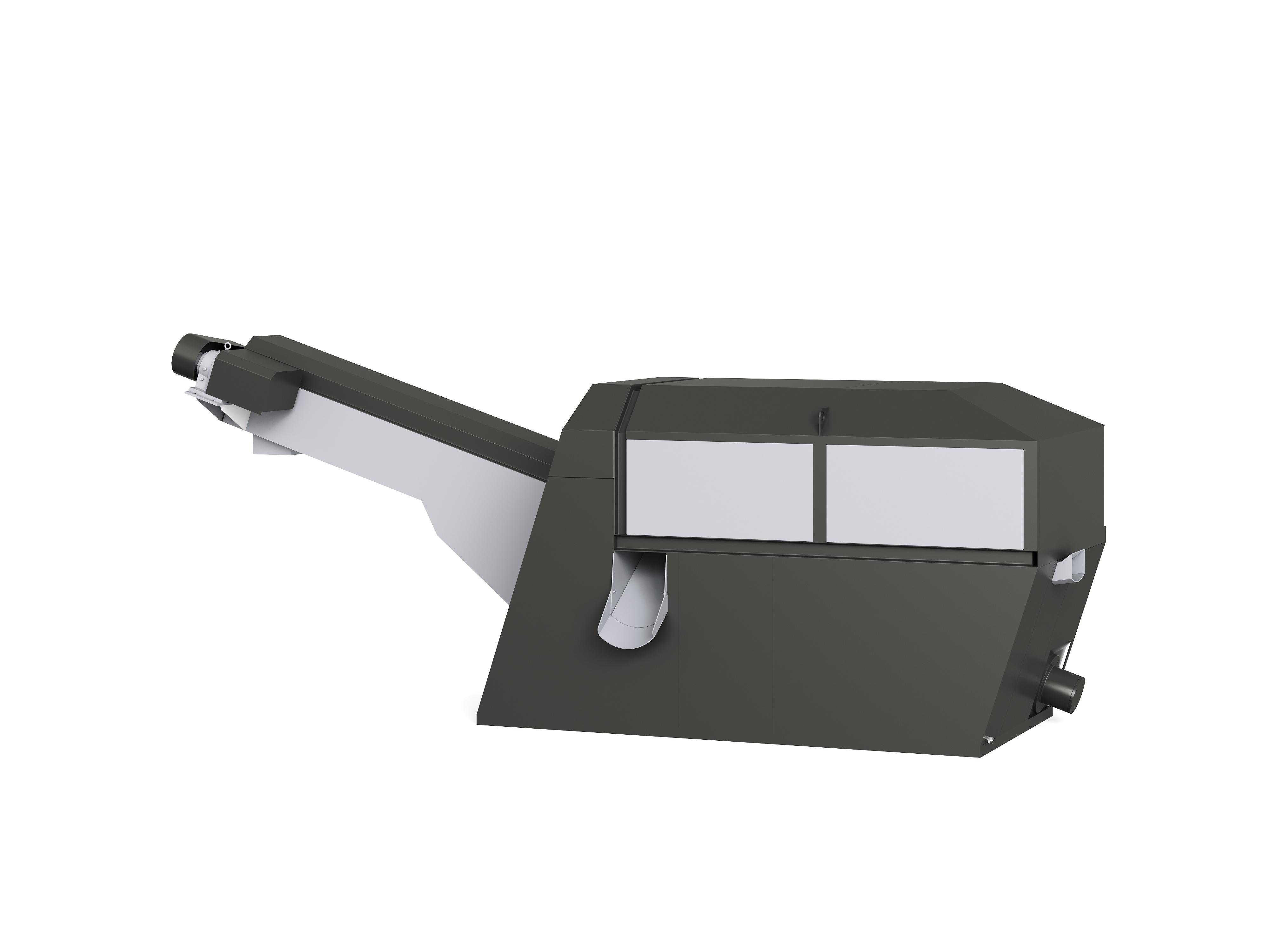
Most batching systems treat water as a constant, but reclaimed process water rarely behaves that way. The slurry returning from truck washout and yard runoff carries suspended cement fines, sand, and partially hydrated particles. These solids alter the effective water-to-cement ratio long before the mixer sees a slump cone. If the plant doesn't compensate for the extra solids, two batches with the same added water can arrive at entirely different consistencies.
The real problem shows up when operators try to fix slump at the tail end of batching. They add a little more water, see the mix loosen up, and call it good. But that added water only masks the underlying shift in fines demand. The concrete may reach the target slump initially, then stiffen early or lose strength later because the total water content drifted higher than the mix design ever intended.
Controlling this requires measuring what's actually in the recovered water instead of assuming it is clean. Plants that track density or solids content and link that data to batch water adjustments keep slump far more consistent. When the system knows how much real water is available in the slurry, the mixer gets the right amount of free water, and the slump becomes a predictable output rather than a daily guessing game.
Rotor Design Details That Determine Throughput
The geometry of the rotor's cutting edges directly sets the pace of material processing. Sharper, more aggressively angled blades tear through feedstock faster, but they also demand higher torque and wear out quicker. A rotor with a steep rake angle on each tooth tends to grab and pull material inward, reducing the need for repeated passes. Conversely, shallow angles prioritize durability over speed, which can choke throughput when dealing with dense or fibrous inputs.
Beyond edge profile, the number and arrangement of cutting elements matter just as much. More teeth spaced evenly around the circumference create a smoother, continuous cutting action, but each tooth takes a smaller bite. This often means faster rotational speeds are needed to maintain output. Meanwhile, a staggered or spiral pattern of teeth helps eject processed material from the cutting chamber, preventing recirculation that slows down the whole system.
Finally, rotor mass and balance play an underrated role. A heavier rotor stores more kinetic energy, allowing it to power through sudden load spikes without bogging down. However, that same mass requires more energy to spin up from a standstill. Precision balancing keeps vibration low, which not only extends bearing life but also lets the rotor maintain higher RPMs under load — a critical factor when throughput targets are tight.
What a 50 Ton Per Hour Reclaimer Actually Handles
This machine moves more material in a single shift than most operators see in a week. At 50 tons per hour, it chews through stockpiles of coal, iron ore, or limestone without pausing to admire the pile. The reclaiming drum bites into densified bulk solids, while the discharge conveyor carries a continuous stream of product to the next stage. Feeding rates stay steady because the scraper blades and hydraulic drive are matched to the material's angle of repose and bulk density.
In practice, the hourly figure shifts with moisture content and particle size. Wet clay or sticky bauxite slows the drum to roughly 35 tons per hour, while dry, free-flowing aggregates let operators push closer to 55. The reclaimer doesn't just move mass; it also blends layers from different stockpile zones, reducing quality swings before the material hits the crusher or screen. That blending role matters more than raw tonnage in cement plants and power stations.
Maintenance crews watch the wear strips and side rollers because abrasive silica sand or granite fines eat through cheap liners in under 200 operating hours. A properly specified 50-ton unit handles 1,000 to 1,200 tons per day on a two-shift schedule, allowing for cleanout and inspection windows. Upgrade the drive to variable frequency and the same frame can reclaim 65 tons per hour when downstream equipment catches up, but the 50-ton rating stays honest for continuous duty.
Maintenance Routines That Keep a Reclaimer Running Quietly
Noise from a reclaimer usually starts with small things that get ignored: loose fasteners, dry pivot points, and worn rubber isolators. Go through the machine once a week and tighten the bolts around the engine mounts, pump brackets, and cutter housing. A torque wrench set to the manufacturer's spec prevents over-tightening that can crack castings and create new rattles. Grease all pivot pins, especially on the lift arms and conveyor swing joints, but wipe away old grease first so grit doesn't get pushed into the bushing.
Belt tension matters more than most operators realize. A slipping belt can produce a high-frequency squeal that gets mistaken for bearing noise. Check the tension on the main rotor drive and the hydraulic pump belts at cold start and again after the machine reaches operating temperature. If the tension changes noticeably between the two readings, the spring tensioner or the automatic tensioner is probably worn and should be replaced rather than just adjusted.
Hydraulic hoses routed too close to the frame or each other can create a dull knocking sound as pressure pulses travel through the lines. Re-route any hose that touches a sharp edge or rubs against a moving part, and replace hardened hoses that no longer flex. Also inspect the rubber mounts under the engine and the hydraulic tank. Squashed or cracked mounts transmit vibration straight into the chassis, turning a minor imbalance into a loud cabin rumble.
When a Rotary Reclaimer Starts Covering Its Cost
The break-even moment for a rotary reclaimer rarely arrives on a schedule. It shows up quietly, often during a stretch of nights when the machine keeps pulling material without a single unplanned stop. Operators notice it first in the shift reports: fewer half-hours lost to clogging, more consistent feed to the downstream belt, and a gradual drop in the number of times someone has to climb onto the deck with a pry bar. That is when the capital outlay stops feeling like a bet and starts behaving like a fixed asset that actually earns its keep.
Payback also tends to accelerate once the reclaimer's sweep pattern matches the pile's actual geometry. Early on, a unit might chew through the easy side of the stockpile and leave stubborn arcs near the center, forcing loaders to finish the job. When the boom angle, travel speed, and harrow depth are tuned so the machine reclaims the full cross-section without assistance, the cost per tonne drops noticeably. Maintenance intervals stretch further because the drive components are no longer fighting uneven loads. The result is a quieter kind of return: fewer spare parts, less overtime, and a steady reduction in diesel or electrical consumption that shows up in the monthly variance report.
There is no universal tonnage figure that marks the turning point. It depends on the material's moisture, the reclaim rate, and how often the previous method required manual cleanup. But when a rotary reclaimer starts covering its cost, the evidence is concrete: inventory turns faster, demurrage risk shrinks, and the operation stops budgeting for the same recurring bottlenecks year after year.
FAQ
It separates leftover concrete into aggregate and reusable water using a rotating drum and spray system, so nothing from the mixer washout has to go to waste.
The drum's tumbling action keeps material moving and breaking apart under water jets, which pulls fines away from coarse stone and sand much faster than letting it sit in a pit.
Yes, as long as it's still workable enough to be diluted. The rotating drum and high-volume spray can break down stiff mixes, though fully hardened chunks may need to pass through a crusher or screen first.
Most plants recover enough aggregate and process water to cut raw material and disposal costs, often paying back the equipment within one to two years depending on truck washing volume and local dumping fees.
They come in different footprints. A compact unit can fit into a corner of the yard with a simple concrete pad, but you'll need enough room for a settling tank or slurry holding area nearby.
The washout water is collected, screened, and returned to a storage tank. Depending on weather and evaporation losses, many plants reuse 80 to 90 percent of that water for non-potable uses like truck rinsing or batching.
Routine inspections of the drum drive, spray nozzles, pump seals, and discharge chute are the big ones. Keeping fines from packing around bearings and clearing any blockages in the return line prevents most downtime.
Yes, outdoor reclaimers need freeze protection for water lines, tanks, and the drum. Many plants add heating elements, insulated tanks, or place the reclaimer inside a heated enclosure to keep it working through winter.
Conclusion
Concrete batching plants lose money when leftover aggregate and cement slurry end up in settling ponds or landfill. A rotary reclaimer captures that material at the source, separating sand and stone from cement fines so both can be reused immediately in fresh batches. Water recovery is just as critical: reclaiming process water keeps its cement content consistent, which means slump control becomes predictable instead of a daily guessing game. The rotor's internal spiral and screen openings do the real work—aggressive enough to move material but not so violent that it breaks down aggregate. Fine-tuned rotor speed and wear-resistant paddles directly determine how many tons per hour pass through.
A 50 ton per hour reclaimer is not just a number; it handles roughly one full mixer truck of returned concrete every five minutes, including washout water, sand, gravel, and cement slurry. The machine separates, washes, and dewaters each fraction without manual shoveling. Quiet operation depends on routine checks: greasing bearings, inspecting seals, adjusting drive belts, and clearing spray nozzles before buildup hardens. Those maintenance habits prevent screaming gearboxes and sudden shutdowns. Financially, the payback starts when a plant stops paying trucking and disposal fees for washout, reduces raw material purchases by reusing aggregate and water, and avoids environmental fines for dumping slurry. Most plants see the reclaimer covering its cost within 12 to 18 months, but the real gain is steady production without waste interruptions.
Contact Us
Contact Person: HaiYan
Email: [email protected]
Tel/WhatsApp: +86 18957325588
Website: https://www.senyoubeton.com/