

Explosion Proof Electric Heater Import: A Practical Guide for Safe and Compliant Sourcing
2026-10-19
Sourcing explosion-proof electric heaters for hazardous or industrial settings is never just about price—it’s about safety, certification, and long-term reliability. One overlooked import detail can stall a project or create serious compliance risks. This guide cuts through the confusion around ATEX/IECEx markings, proper heater sizing, and material selection. With practical perspective from Shenzhou Chemical Industry, you’ll see the key decisions that separate a smooth, compliant purchase from a costly mistake.
What Actually Counts as Explosion Proof?
The phrase gets thrown around a lot, but true explosion-proof certification isn't about making equipment indestructible or completely sealed. It means the enclosure has been engineered to contain an internal blast and stop flames or hot gases from escaping into the surrounding hazardous atmosphere. Certification under schemes like ATEX, IECEx, or North American Class/Division standards requires rigorous testing where the unit is repeatedly subjected to internal explosions of specific gas mixtures.
A common misconception is that explosion-proof gear can survive any external explosion. In reality, it only protects against ignition from within the device, and only for the gas groups and temperature classes it was tested against. That's why a device rated for hydrogen (IIC) won't automatically be safe in a methane environment if the temperature rating isn't matched. Always check the label for the exact zone, gas group, and T-class rather than relying on the term alone.
If you're unsure, look for the certification mark and the specific standard it meets—not just "explosion proof" in the marketing copy. The real test is whether the housing can cool escaping gases below the auto-ignition temperature of the surrounding mixture before they reach the outside.
Certifications That Hold Up at the Border
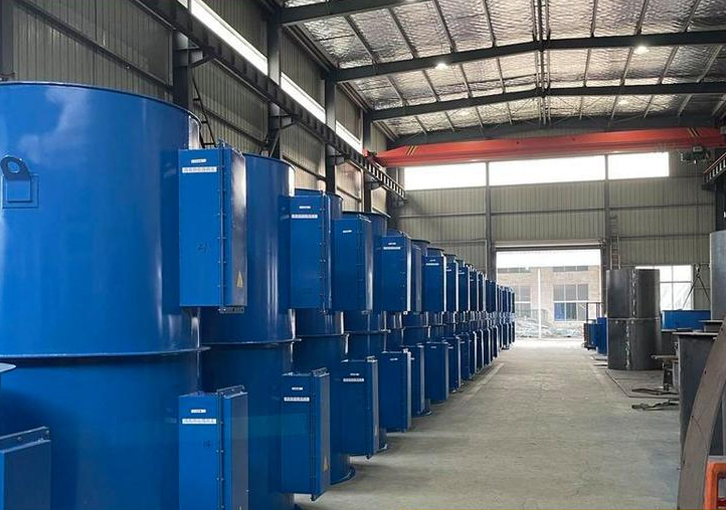
When a shipment reaches a customs checkpoint, the certificates that actually matter are those linked directly to the destination country's regulatory framework. A CE mark, for instance, only holds weight in the European Economic Area, while an FCC mark is expected for electronics entering the United States. Border officials in many regions will verify these marks against online registries rather than simply glancing at the paperwork. If your product falls under specific categories—medical devices, wireless equipment, toys, or food—you'll need the exact certification from the relevant authority, such as an FDA establishment registration for U.S. medical imports or an EU MDR certificate for Europe.
Agricultural and perishable goods present a different set of demands. Phytosanitary certificates issued by the exporting country's plant protection organization are non-negotiable for most fresh produce, seeds, or wood packaging. In many cases, a GlobalG.A.P. or organic certification will smooth the path, but only if the destination country recognizes that specific scheme. It's common to see shipments held at the border because the exporter assumed a U.S. organic certificate would be accepted in Japan or the EU, when in fact each market has its own equivalence agreements. Checking the destination's official import requirements before shipping can save weeks of storage fees.
Third-party testing marks from bodies like TÜV SÜD, Intertek, or SGS can add a layer of trust, since they demonstrate independent verification of safety or performance standards. But don't expect a border agent to accept a certificate that isn't backed by a government or accredited body on the spot. Keep the original certificate number, the issuing body's contact details, and a digital copy that can be checked against the destination's database. In many ports, officers will scan a QR code or enter the certificate ID into a customs system. If that lookup fails, even the most impressive-looking document won't get your goods across the line.
Spotting a Supplier Who Knows Hazardous Areas
You can usually tell within the first few minutes whether a supplier has actually worked in hazardous areas or just sells into them. Ask what happens when a customer requests a Zone 1 solution for hydrogen versus propane. A knowledgeable supplier will immediately bring up gas group differences, ignition energy curves, and why a component rated for IIB may not be safe for IIC. If they pause too long or fall back on "all our products are certified," keep looking.
Another signal: they don't treat certification as a checkbox. Instead, they can explain what ATEX, IECEx, and North American Class/Division marks actually cover, where they overlap, and where they diverge. When discussing an enclosure, they might mention how an Ex d housing handles pressure piling or how temperature class T4 affects sensor selection. That kind of detail only comes from dealing with real installs, not from reading a brochure.
Finally, ask for a recent failure story. A supplier with field knowledge will admit to a misapplied barrier or a gland that didn't suit a dusty environment, then tell you what they changed in their process. Partners who claim they've never had a problem are often hiding the fact that they've never been close enough to the application to make the kind of mistakes that teach you something.
Paperwork That Keeps Customs From Freezing Your Shipment
A single missing page can turn a routine port stop into a week-long hold. Customs officers don't need a reason to freeze cargo; they need complete, consistent paperwork to release it. The commercial invoice is usually the first document they check, and it has to match the packing list line for line—item descriptions, quantities, unit values, and total declared value. Discrepancies as small as a typo in an HS code or a mismatch between the invoice and the bill of lading trigger a manual review that backs up everything behind it.
Packing lists earn their keep when a container gets flagged for inspection. If the list shows carton numbers that don't line up with the physical load, or vague descriptions like "parts" without a clear breakdown, the shipment sits. Smart shippers include net and gross weights per package, dimensions, and country of origin on each line. That level of detail gives officers fewer excuses to open boxes, and if they do open one, the paperwork lets them close the case faster.
Certificates of origin and any required licenses or permits are the quiet pass-through documents. For goods that fall under free trade agreements, a properly filled certificate can reduce duties—but only if it's signed, dated, and matches the invoice exactly. Missing an export license for a controlled item, or leaving a phytosanitary certificate behind for agricultural products, doesn't just delay the load; it can get it quarantined. Keeping a checklist of document requirements for each destination country and updating it when regulations shift is the cheapest insurance against frozen cargo.
Voltage, Wattage, and the Fine Print on the Nameplate
Most people glance at the big number on the front of a device and assume that's the whole story. Flip it around, and the nameplate tells you otherwise. Voltage ratings like 100–240V mean the unit can handle a wide range of wall power without a converter, while a single fixed voltage like 120V will fry if you plug it into a 230V outlet without a transformer. Wattage, on the other hand, is not always what the marketing sticker claims. A speaker that says 300 watts on the box may only draw 40 watts from the wall under normal listening levels; that 300W figure is often peak or combined output, not continuous power consumption.
The fine print also hides frequency, current draw in amps, and sometimes duty cycle or fuse ratings. Look for the small “50/60Hz” marking if you travel between regions, because even a dual-voltage adapter can misbehave if the frequency isn't supported. And don't ignore the safety symbols or the little CE, UL, or FCC marks—those aren't just decoration. They indicate the device was tested under specific conditions. If the label is worn off or missing entirely, treat the gadget with suspicion, especially when it plugs into mains power. The nameplate is the only honest spec sheet most appliances will ever give you.
After It Lands: Installation Checks That Protect Your Facility
Once the equipment is physically on the pad, the real work begins. Installation checks are not a formality. A unit can pass every factory test, yet still fail within weeks because a mounting bolt was half a turn loose or a coolant line arrived with a hairline crack hidden under insulation. Walking the entire footprint before startup catches these small, expensive problems.
Start with level and torque. Use a machinist's level across the base frame, not a phone app, and shim any low corners before final tightening. Then follow the manufacturer's torque sequence for anchor bolts, even if the crew swears they already did it. Check electrical terminations for snugness, look for signs of strained conduit, and make sure flex connectors on pipes and ducts are not fighting the equipment. A quick vibration reading at the bearings with a handheld meter, compared to the baseline from the manual, can reveal a misaligned coupling that would otherwise eat itself later.
Finish by locking in the details. Photograph shim packs, record final torque values, and note any deviations from the factory drawing. If a clearance looks tight or a drip appears at a valve, fix it now, before it becomes a midnight shutdown. These checks take a few hours on the front end and can save months of downtime, warranty disputes, and finger-pointing later.
FAQ
You'll usually need the commercial invoice, packing list, bill of lading, and a certificate of origin. Beyond that, customs often asks for the ATEX or IECEx certificate, a declaration of conformity, and sometimes a test report from a notified body. If the heater is destined for a hazardous area, the importer of record may also need to provide a safety data sheet for any insulating materials.
Ask the supplier for a copy of the certificate number and then check it against the issuing body's online database. ATEX certificates can be verified through the EU's NANDO database, while IECEx has its own certificate search tool. Also look for the full technical file reference on the certificate and match the model number exactly—not just the series.
One frequent error is assuming a general "explosion proof" label covers all hazardous zones without checking the specific gas group and temperature class. Another is accepting a certificate for a different voltage or wattage than the unit actually shipped. Skipping a pre-shipment inspection by a third party also leads to surprises like missing cable glands or wrong enclosure material.
The two big ones are ATEX (European) and IECEx (international), with the North American system using UL or CSA Class/Division marks. Your destination country's rules determine which one you need; for example, the EU requires ATEX for products placed on the market, while many Middle Eastern countries accept IECEx. Import compliance means the heater's marking and documentation must align with the local regulation, not just the international standard.
Look for the full marking string, not just the logo. For ATEX, you should see something like "II 2 G Ex db IIC T4 Gb" plus the certificate number and the notified body number. For IECEx, the marking includes "Ex db IIC T4 Gb" and the certificate reference. If any of these elements is missing or the temperature class seems too high for your gas group, stop and verify before accepting the shipment.
Don't rely on a PDF sent by email. Go to the certifier's website and search the certificate number to confirm it is still valid and matches the manufacturer's name and product range. You can also ask the supplier to provide a copy of the original certificate with the security hologram or QR code. A quick call to the issuing body's local office can save you from a very expensive customs rejection.
The Harmonized System code for these heaters usually falls under 8516 as electric space heating apparatus or industrial heaters, but the exact subheading depends on the design and use. A wrong code can trigger a physical inspection or a request for additional technical documentation. To avoid delays, have the manufacturer's engineering drawings and a short functional description ready when you submit the entry.
The flamepath gaps and threaded joints are critical for explosion protection, so even minor dents or corrosion during transit can make the unit non-compliant. Most reputable suppliers pack the heater in a wooden crate with foam cutouts and desiccant packs, and they may use shock indicators on the outside. Insist on this level of packaging and inspect the crate on arrival before signing the delivery receipt.
Conclusion
Importing explosion proof electric heaters demands more than a standard purchase order; it means knowing exactly what the hazardous location label actually covers. Too many buyers assume a rugged enclosure or stainless steel housing makes a unit explosion proof, but the real definition hinges on containing any internal ignition and stopping it from reaching flammable gases or dust outside. Look past the marketing phrase and ask how the heater handles gas groups, temperature classes, and zone or division ratings. Certifications that hold up at the border include ATEX, IECEx, or North American listings for the specific environment, not a generic CE mark. A supplier worth trusting can discuss flame paths, gap tolerances, and thermal cutoffs without pausing, and will share drawings or past project references involving similar hazardous areas. If their answers sound vague or they push so-called equivalents, treat that as a red flag.
Paperwork often determines whether your shipment clears without costly holds. Have the certificate of conformity, test reports, and a detailed nameplate photo ready before the container arrives. Nameplate data must match your order exactly: voltage, wattage, frequency, ambient temperature range, and the protective markings for the installation site. Mismatched wattage or a missing T-class can trigger rejection or force expensive field modifications. Once the heater lands, do not let urgency override safety. Check the terminal box for tight connections, verify the ground path, confirm that all bolts and covers sit flush, and make sure the installed seals and glands match the hazardous area method stated in the documentation. A quick post-arrival inspection protects both compliance and the people working around the unit every day.
Contact Us
Contact Person: Mr. Wang
Email: [email protected]
Tel/WhatsApp: 8613705299955
Website: https://vip.e-baixing.com/szhgyw