

Foldable Water Bottle Original Manufacturer: A Complete Sourcing Guide for Quality Buyers
2026-11-24
Sourcing foldable water bottles isn’t just about finding a supplier—it’s about finding a factory that understands material safety, leak-proof design, and real-world durability. As more buyers move away from bulky rigid bottles, the market rewards products that can collapse flat without compromising on performance. In this guide, we break down what separates reliable OEM work from costly mistakes. Whether you’re comparing silicone grades, valve mechanics, or minimum order terms, you’ll see why experienced importers keep turning to Qunhao as a benchmark for consistent manufacturing. By the end, you’ll know exactly which questions to ask before placing your next order.
What Actually Keeps a Foldable Bottle Leak-Proof After Months of Use
Long-term leak protection on a foldable bottle has less to do with how hard you crank the cap down and more to do with how the seal is shaped. A wide O-ring squeezed into a clean, even groove will stay dry far longer than a thin gasket that relies on thread tension alone. The problems usually start when cap and neck come from slightly different production runs: tiny mismatches in diameter or surface finish force the silicone to work harder on one side. Good designs get around this with a double-lipped gasket or a raised shoulder that presses the O-ring into the same position every time, so the seal stays predictable even as the bottle flexes.
Fold marks are rarely the direct source of leaks, but they still change how pressure moves through the bottle. Every time the body is folded and unfolded, it twists the neck just enough that an already-stressed gasket can lose contact on one edge. Temperature swings add another invisible load: a bottle sealed at room temperature can build internal pressure when it warms up, and without a tiny valve to equalize that pressure, liquid gets pushed past the threads. The valve itself also ages. Its membrane can stiffen or stick, and then the cap becomes the only escape route for trapped air.
After months of use, what usually causes a slow weep is residue rather than a failed part. Dried sports drink, coffee, or hard water collects around the threads and in the gasket groove, forming a crust that keeps the O-ring from sitting flush. Heat from a dishwasher or direct sun can do the same by permanently flattening the silicone. Letting the cap and gasket dry fully between uses, scrubbing the thread area with a soft brush now and then, and replacing the O-ring at the first sign of shallow cracks will do more for leakproofing than tightening the lid with extra force.
Reading Material Spec Sheets Beyond the Marketing Claims
A glossy datasheet can make almost any component sound like a breakthrough. Real engineering starts when you ignore the headline numbers and read the fine print, because that is where assumptions live. Operating temperature ranges, derating curves, and test conditions are often buried in footnotes, yet they determine whether a part will survive your actual circuit rather than a lab bench demo. If a sheet only quotes performance at 25°C with ideal airflow, treat that figure as a rough sketch rather than a promise.
Cross-referencing a spec sheet against its own graphs can reveal quiet contradictions. A device might advertise a wide input voltage range, but the efficiency curve may collapse below a certain point. Reverse recovery charge, leakage current drift, and thermal impedance are rarely highlighted on the first page, though they shape long-term reliability. Comparing the same parameter across multiple vendors often shows that some publish typical values while others list maximums, making direct side-by-side choices misleading until you normalize the measurement methods.
The most useful reading habit is to question what is missing, not just what is printed. Absent data on short-circuit behavior, inrush tolerance, or aging under high humidity can be more informative than a bold guarantee. Requesting characterization reports or testing a handful of samples yourself closes the gap between the marketing summary and the part sitting in your design. Once you learn to hear what a datasheet does not say, selecting components becomes less about trusting claims and more about verifying behavior under your own constraints.
Factory Floor Checks That Catch Defects Before Your Customers Do
The checks that actually keep defects from reaching a customer rarely happen at the end of the line. On a busy floor, the most useful inspection is built into the operator's own rhythm: a quick go/no-go gauge on a critical bore after drilling, a visual sweep for burrs before a part goes into the press, or a simple count of components laid out on a shadow board. When something is off, the line stops right there. That pause is cheaper than a return.
Mistake-proofing tends to do more than added inspection. A fixture that will only close when the bracket is fully seated, a sensor that refuses to cycle until two clips are present, or a bin that weighs out the correct number of fasteners turns a possible oversight into an impossible one. Nobody has to remember to check because the process itself will not let the bad part move forward.
The other piece is feedback that reaches the right person the same shift. Instead of filing a weekly defect report, a lead hand reviews the hourly checks at the board near the machine and adjusts coolant, clamping pressure, or tool wear before the next run. That loop, between what the operator sees and what the setup can correct, is what catches a drift before it becomes a customer complaint.
Custom Molding Choices That Quietly Shape Your Final Unit Cost
Most buyers focus on the obvious line items: material price per pound, cycle time, and hourly machine rates. Yet the final unit cost often gets quietly decided long before production starts, during the molding design review. Decisions like where to place the gate, whether to add a slight draft angle, or how many cavities the tool can realistically hold without sacrificing consistency tend to ripple through the entire quoting process. A part that looks simple on paper can double in cost simply because a sharp corner forces slower cooling or a deep rib demands extra ejection effort.
Material selection plays a subtler role than many expect. Two resins with nearly identical datasheets can behave very differently under real molding conditions. A slightly higher shrink rate might mean post-machining on critical dimensions, while an additive for UV stability could reduce cycle time but increase the scrap rate if vents are undersized. These choices rarely show up as bold warnings on a quote. Instead, they appear later as hidden tooling adjustments, extra quality checks, or a rejection batch that nobody budgeted for.
Even the most experienced teams overlook how surface finish and texture depth influence total cost. A fine grain may hide sink marks but requires higher polish on the tool, which raises upfront investment. A high-gloss finish might eliminate the need for painting yet demand pristine handling and more frequent mold cleaning. None of these factors exist in isolation. They stack quietly, one decision atop another, until the difference between a profitable run and a break-even job comes down to choices made weeks before the first shot.
Spotting Weak Silicone and Other Shortcuts Before Sampling
Shortcuts in silicone often show up first at the surface—look for a chalky, powdery residue that rubs off on your fingers, or a slick, almost greasy sheen that doesn't match the surrounding material. Genuine high-grade silicone tends to have a consistent matte or slightly satin finish, while cheaper blends may look uneven, overly glossy in patches, or even slightly tacky. Press your thumb into the material and release: if it springs back instantly without leaving a mark, that's a good sign. If it feels spongy, slow to recover, or leaves a shallow dent, the silicone may have been diluted with fillers or over-plasticized to cut costs.
Another tell is the smell. Quality silicone typically has little to no odor once cured, but some manufacturers rush the curing process or use lower-purity base polymers, which leaves behind a faint chemical or vinegar-like scent that lingers. You might also notice thinner, more flexible areas around edges or joints, where material was stretched to cover more surface area. Run your fingernail gently along a seam or edge—if it tears, flakes, or shows white stress marks with minimal pressure, the silicone's tear strength is probably below what the design requires.
Finally, pay attention to color and translucency. Cheap silicone often has a slight milkiness or uneven tint, especially in darker shades, because pigment dispersion is poor or too much filler has been added. Hold a sample up to a light source and look for thin spots or cloudy streaks. If the product is meant to be food-safe or skin-contact safe, check for any printed certifications, but don't rely on them alone—many shortcuts happen after initial batch approval. A quick scratch test on an inconspicuous area can reveal whether the surface is truly homogeneous or just coated to look the part.
Locking in Lead Times and Order Terms Without the Fine Print Regret
A lead time only means something when the starting line is defined. If the clock begins after deposit clearance, drawing approval, and material allocation, say so in the order itself. Otherwise six weeks can turn into nine without anyone breaking a promise, because the promise was never tied to a real date.
The same goes for the terms nobody reads until something goes wrong. Minimum batch quantities, cancellation windows, raw material price pass-throughs, and freight responsibilities usually live in footnotes or attachment three. Pull them into the main confirmation and ask one direct question: if our forecast drops by forty percent next month, what are we actually on the hook for?
Clarity does not require aggressive negotiation. It just requires writing down the assumptions both teams already have in their heads. When those assumptions live in the purchase order, not in a buried email thread, lead times and order terms stop being a source of regret.
FAQ
Ask for the production floor address and request a live video walk-through, not just photos. A real manufacturer will be able to show molding, welding, or assembly lines for collapsible bottles specifically. Also check whether their business license lists manufacturing rather than trading, and ask where the silicone or TPU body is actually formed.
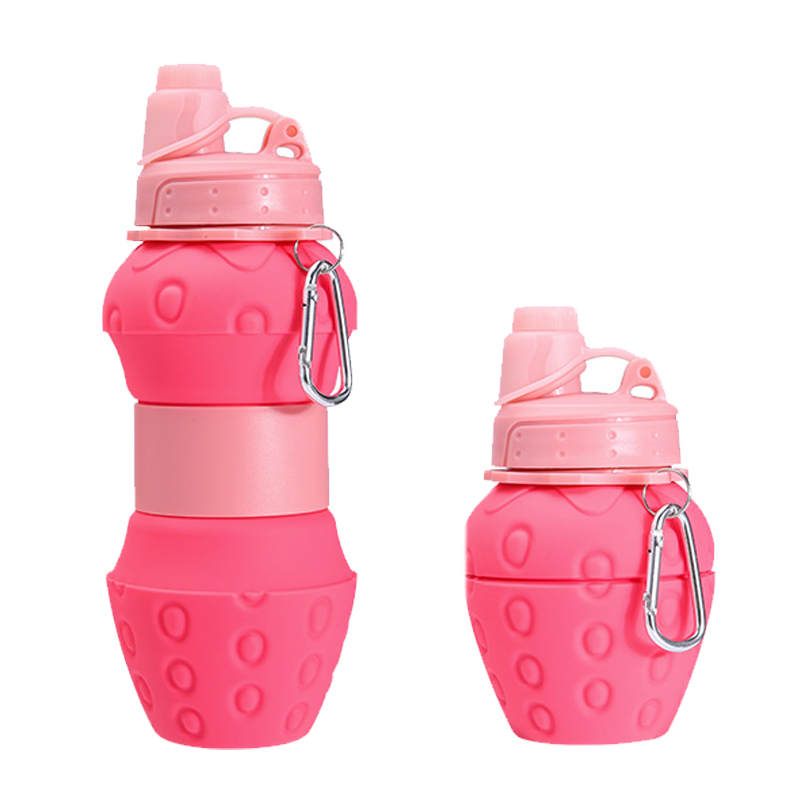
Food-grade silicone remains the most common for the flexible body because it bounces back well and handles repeated folding. The cap and mouth area are often better in PP or Tritan for rigidity and reliable threading. Avoid suppliers that cannot name the exact grade and cure method of the silicone.
Many factories quote 1,000 to 3,000 units as a starting point for custom colors or logo printing. If the bottle uses standard stock colors and simple packaging, some will allow 500 units. Anything far below that usually means you are paying a reseller or buying blank stock.
Request samples and run a simple cycle test at your end: fill the bottle to the marked capacity, close it, squeeze it firmly, invert it, and leave it on its side for a few hours. Repeat the fold-unfold motion at least 30 to 50 times. The failure point is usually the seam between the flexible body and the rigid neck or base.
For food contact, ask for FDA or LFGB test reports, not just a blanket statement of compliance. Depending on the market, also check REACH, BPA-free declarations, and California Proposition 65 if relevant. Make sure the test reports match the exact material formula that will be used in your production run.
Complex multi-color silicone molding, gradient printing, and custom-shaped caps tend to extend lead times and increase rejection risk. A simpler approach is to customize the carry loop, cap color, and one-color logo first. Those changes are easier to control during a first production run.
Ask the factory to keep the bottle in its expanded or semi-expanded state inside a polybag, not fully compressed for weeks. Full compression can create creases that are hard to remove. Dust is another common issue with silicone, so the production area should keep finished goods covered and the polybag should be sealed immediately after inspection.
Conclusion
Foldable bottle sourcing rarely turns on the visible design. The real work happens in material selection, tooling, and on-site process control. A bottle that stays leak-proof after months of daily use usually depends on a matched durometer for the silicone body, a properly engineered seal seat, and a cap thread profile that keeps compression even when the bottle is folded and reopened. Reading spec sheets means checking more than “food-grade silicone” on a brochure. Ask for tensile strength, elongation at break, tear resistance, and compression set after heat aging. Those values reveal whether the walls will rebound, crack, or lose grip around the seal. Factory checks matter just as much. A QC gate after molding, before assembly, and again after a filled drop test catches flash, uneven wall thickness, weak weld lines, and seal misalignment before boxes leave the floor.
Custom molding decisions quietly set your final unit cost. More cavities can lower piece price but raise tooling cost and make tight tolerances harder to hold. Thinner walls reduce material use, yet they invite pinholes or poor recovery after squeezing. Weak silicone shortcuts are common: suppliers may blend fillers, shorten cure time, or use lower-grade compounds that feel similar at first but degrade after repeated folding. Before sampling, request a small cut-open section or aged sample batch and compare rebound and surface tack. Finally, lock lead times and order terms with the same scrutiny you apply to the product itself. Define tooling ownership, approval milestones, defect rates, packaging specs, late-delivery penalties, and payment release conditions before signing. Buyers who treat these details as boring paperwork often pay later in chargebacks, split shipments, or a product that cannot hold up in the field.
Contact Us
Contact Person: Cecilia
Email: [email protected]
Tel/WhatsApp: 8619057488653
Website: https://silwatbottle.com