

Industrial Furnace Spare Parts Companies Should Prioritize These Key Factors for Reliable Operations
2026-09-07
When an industrial furnace goes down, production doesn't just pause—it bleeds money by the hour. Yet too many spare parts companies still treat reliability as an afterthought, leaving plants scrambling when a critical component fails. The difference between a minor hiccup and a week-long shutdown often comes down to a handful of decisions made long before anything breaks. From metallurgical consistency to logistics that actually respect your downtime window, the factors that keep operations running smoothly are rarely obvious on a spec sheet. At THINKING-LONG, we've seen firsthand how the right priorities—or the wrong ones—shape a furnace's uptime story. Here's what your spare parts supplier should be obsessing over if you want to stop fighting fires and start planning maintenance like it's routine.
The Role of Alloy Composition in Long-Term Furnace Health
The mix of elements inside furnace alloys quietly dictates how the structure ages. Chromium, for example, forms a protective oxide scale that slows down surface degradation, but if its content drops too low, the metal starts losing material at an accelerating rate. Nickel helps stabilize the austenitic matrix and keeps the alloy ductile during repeated heating and cooling cycles. Molybdenum and tungsten enter the picture when creep resistance becomes critical, especially in zones that stay hot for months without interruption.
Trace additions matter more than their small percentages suggest. A little silicon or aluminum can reinforce the oxide layer, making it more resistant to spalling under thermal shock. Rare earth elements, used sparingly, improve scale adhesion and reduce the chance of localized thinning. On the other hand, oversized grain boundaries or uneven distribution of carbides can create weak points that only show up after thousands of hours of exposure.
Long-term furnace health often comes down to choosing a composition that matches the specific atmosphere and temperature range. A grade that works well in an oxidizing environment may fail quickly in a reducing or carburizing one. Regular monitoring of the alloy's surface condition and occasional microstructure checks help plant teams catch early signs of phase changes or sigma formation before they turn into costly shutdowns.
Why Local Inventory Beats Overseas Shipping Windows
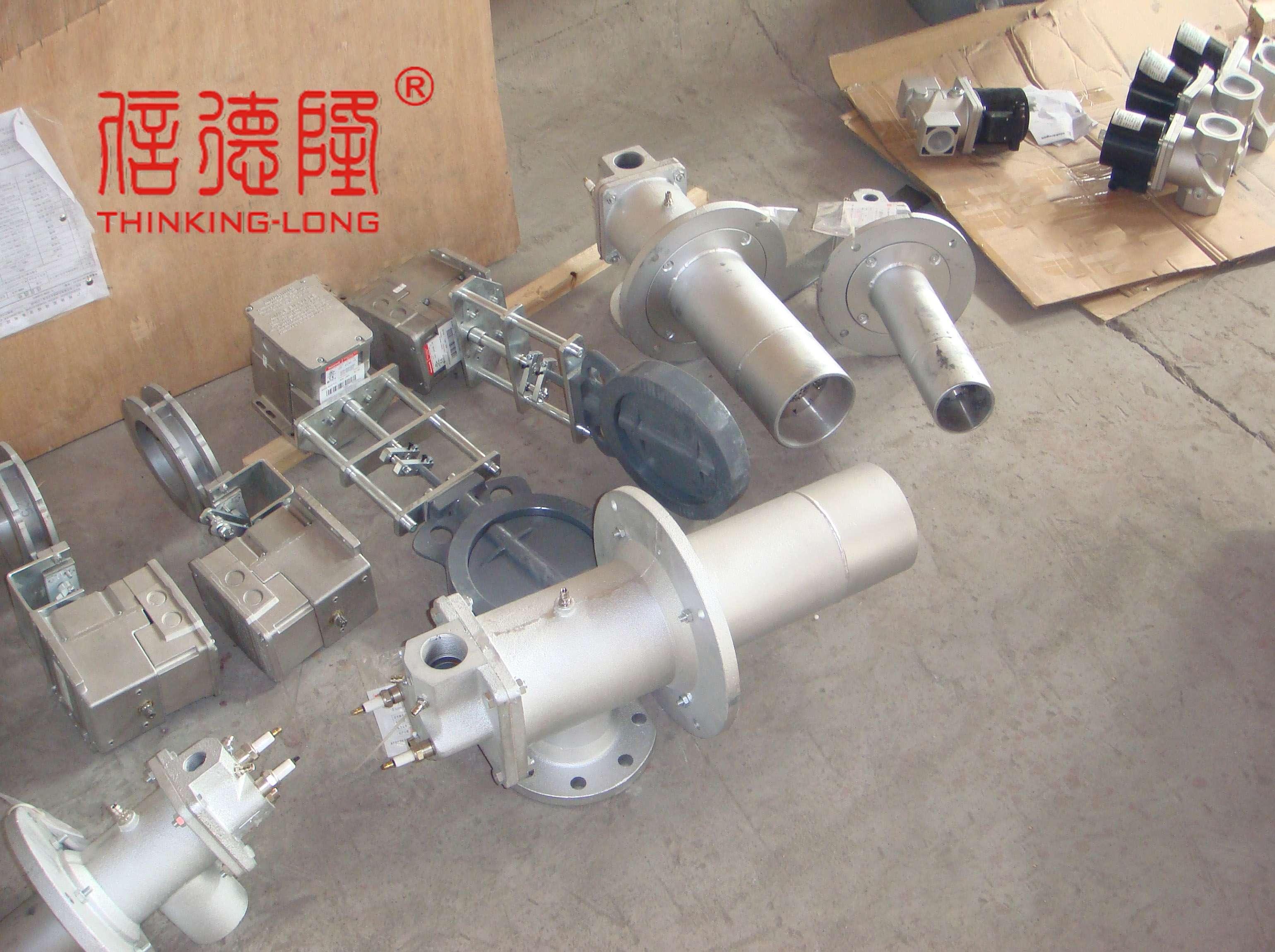
There's a quiet advantage that often goes unnoticed until a shipment gets stuck in customs or a port backlog stretches from days into weeks. When stock sits in a local warehouse, the gap between a customer's click and the knock on their door shrinks to something you can actually plan around. Instead of gambling on ocean freight schedules or hoping a supplier's promised lead time holds, you're working with shelves you can see and count. That kind of visibility changes how you talk to buyers—no more padded delivery estimates or apologetic follow-ups about delays beyond your control.
Overseas shipping windows sound fine on paper: order early, factor in transit, and everything arrives just in time. But real life rarely respects those neat little brackets. A typhoon halts loading, a trucker shortage strands containers at the dock, or a single missing document keeps a pallet in limbo. Local inventory strips away most of that fragility. You're no longer managing a supply chain that spans an ocean; you're managing a restock run across town. The result is faster fulfilment, fewer split orders, and a customer service team that isn't drowning in 'where is my package' tickets.
There's also a trust element that's hard to quantify but easy to feel. When a buyer sees a realistic delivery date and actually receives the item on time—repeatedly—they stop comparing you to competitors who promise the world and deliver a tracking number that goes silent for a fortnight. Local stock lets you fulfil from a position of certainty. It turns inventory from a distant abstraction into a nearby asset, and in an era where patience is thin and options are endless, that small difference tilts the whole game.
Matching Replacement Parts to Original Equipment Specs
When a replacement part is sourced, the assumption that identical dimensions and a matching part number guarantee equivalent performance often falls apart in the field. Original equipment specs encompass far more than bore sizes and thread pitches—they also define material hardness, grain structure, surface finish, and heat treatment profiles. A bushing that measures the same on a caliper may still fail early because its bronze alloy lacks the same tin content or its oil grooves were cut with a different edge radius. Matching to OEM specs means reading beyond the catalog line and cross-referencing the actual engineering drawing or a trusted teardown report.
The most overlooked variables in replacement part selection are tolerance stack-ups and mating surface interactions. A seal with the correct ID and OD can still leak if the lip material cannot handle the original shaft's surface roughness or if the garter spring tension is lower than specified. Similarly, a replacement gear may pass a pitch diameter check but produce different noise and wear patterns because its tooth profile modification or backlash class doesn't match the original set. Before installing any substitute, compare the full dimensional report—including roundness, cylindricity, and runout—against the OEM's acceptance criteria, not just the basic envelope.
Validation also extends to post-installation behavior. A replacement bearing that feels smooth in your hand may have a different internal clearance class or cage design, leading to higher operating temperatures or reduced fatigue life under the same axial preload. The same logic applies to friction materials, where the static and dynamic coefficient of friction must align with the original caliper and rotor pairing. In many fleets, a supposedly equivalent aftermarket part creates repeated failures until someone discovers that the OEM spec called for a specific phosphate coating or a particular type of thread locking compound on the fasteners. True compatibility means matching the part's functional signature—how it breathes, expands, and settles under load—to the original design intent.
How Quick Diagnostics Keep Downtime Short
Downtime rarely announces itself with a clear sign. More often, it begins as a flicker on a sensor, a slow response from a valve, or a subtle drift in pressure that no one notices until the line stops. Quick diagnostics change that picture. Instead of waiting for a failure to become obvious, maintenance teams can pull live data from critical assets, compare it against baseline performance, and spot the early warnings that would otherwise stay hidden in routine logs. The result is a shift from reactive firefighting to a calm, measured response—one that keeps a small anomaly from turning into a full production halt.
What makes this possible is not just the speed of the tools but the way they cut through the noise. A vibration spike could mean a dozen different things; a good diagnostic platform narrows that list in minutes by correlating temperature, load, and historical patterns from similar machines. Technicians arrive at the failure point already knowing which component to inspect, which spare to bring, and how long the repair should take. That foreknowledge collapses the typical window of diagnosis—often the longest stretch of any unplanned stop—into a few focused checks. Lines restart sooner, and the team avoids the costly trial-and-error of swapping parts one by one.
The real payoff, however, shows up over weeks and months. Quick diagnostics build a living record of each asset's quirks: how a pump behaves after a seal change, or what a motor sounds like when a bearing starts to wear. Teams learn to trust those patterns, scheduling fixes during planned maintenance instead of waiting for a breakdown. Downtime stops being an unpredictable event and becomes a metric that trends downward, quietly, as every early catch keeps another shift running.
The Hidden Costs of Cheap Spare Parts
At first glance, a bargain-priced replacement part feels like a win—less money out the door, same functional role under the hood. But industrial maintenance logs tell a different story. Cheap components often arrive with looser tolerances, thinner plating, or recycled internals that pass a basic visual check yet fail under sustained load. The result isn't an immediate breakdown, but a slow bleed: more frequent minor repairs, slight drops in efficiency, and a creeping sense that the machine never quite runs the way it used to.
The true expense shows up in unplanned downtime and labor hours. A bearing that costs half as much might need replacement three times as often, each swap requiring two technicians, safety lockouts, and lost production windows. Those costs rarely appear on the purchase order—they hide in overtime pay, missed delivery deadlines, and the frustration of a crew that has learned to distrust the equipment. Over a year, the savings from the part itself can be dwarfed by the cost of repeatedly fixing the same corner of the line.
Then there is the compounding risk of cascading failures. A cheap seal that degrades early can allow contamination into a gearbox, turning a $20 replacement into a $4,000 rebuild. Insurance adjusters and warranty auditors often look for non-OEM parts when assessing claims, and a few low-cost substitutions can quietly void coverage. Smart maintenance teams track cost per operating hour, not just invoice price—and that metric almost always favors parts built to last rather than parts built to be cheap.
Building a Relationship With a Supplier Who Knows Furnaces
A supplier who actually understands furnaces doesn't just sell you a unit—they ask about your ductwork, your insulation, the way your house sits on the lot. That kind of conversation changes everything. When you find someone who can talk about blower motors and heat exchangers without making you feel small for asking questions, you stop shopping around and start building trust. It's not about getting the lowest bid; it's about knowing that the person on the other end of the phone has seen enough installs to know what will work in your specific home.
Over time, that relationship pays off in ways a one-time purchase never could. The same supplier remembers that your basement runs cold and your upstairs bedrooms overheat in January. They tell you when a part is worth repairing versus replacing, and they don't push a high-efficiency upgrade just because it's new. You start to rely on their judgment the way you would a good mechanic or a family doctor. That kind of consistency is rare, and once you have it, you don't let it go.
Building that relationship takes a little effort on both sides. You have to be honest about your budget and your long-term plans for the house. They have to be willing to explain the difference between a two-stage and a modulating furnace without making you feel like you're wasting their time. But when it clicks, it's the difference between dreading a furnace replacement and actually looking forward to a warmer, more comfortable home. And that's worth more than any flashy brochure or seasonal discount.
FAQ
They should look closely at the material specifications of each component. High-temperature alloys and refractory parts need to match the original furnace design, because even a minor substitution can lead to early cracking or thermal fatigue.
Keeping an in-house pattern library and maintaining relationships with local foundries helps a lot. Instead of starting from scratch for every order, they can pull the existing mold or drawing, adjust quickly, and get the part into production within days rather than weeks.
A broad catalog is useless if the part you need is never on the shelf. Reliable operations depend on having multiple units of wear-prone items, like radiant tubes, burner nozzles, and hearth rails, ready to ship, so the furnace doesn't sit idle waiting for a backorder.
Many older furnaces lack accurate drawings or the original manufacturer no longer exists. Reverse engineering lets a supplier scan or measure the damaged part, reconstruct the geometry, and produce a direct replacement that fits without forcing the plant to modify the furnace.
Ask for material test reports, dimensional inspection records, and heat treatment logs. A trustworthy supplier will also provide traceability on alloys and castings, so you can confirm the part meets the furnace's temperature and load requirements.
The cheapest upfront quote often leads to more frequent replacements and unexpected failures. A better approach is to compare total lifecycle cost: how long the part lasts, how much downtime it causes when it fails, and whether the supplier offers performance guarantees or failure analysis.
Even a well-made part can fail early if it is not installed with the correct clearances, preheating, or bolt torque. Field support or clear installation instructions help plant maintenance teams avoid errors that would otherwise look like a material defect.
They can use thermal imaging, wear sensors, and simple tracking of operating hours to build a replacement schedule. Sharing that data with the customer allows the supplier to recommend a spare part before the component fails, rather than reacting after an emergency breakdown.
Conclusion
Reliable furnace operations don't happen by chance—they hinge on decisions made long before a part fails. The alloy composition of spare parts directly determines how well they withstand thermal cycling and corrosive atmospheres, so cutting corners on metallurgy quietly eats away at long-term furnace health. That's why matching replacement parts to original equipment specs matters more than price tags suggest. A locally stocked supplier can shave days off your downtime compared to waiting on overseas shipping windows, and quick diagnostics from a vendor who actually understands furnace behavior means smaller problems get caught before they balloon into full shutdowns. Cheap spare parts rarely stay cheap once you factor in premature wear, unexpected failures, and the labor of swapping them out again.
Beyond the technical specs, the human side of supply matters just as much. Building a relationship with a supplier who knows furnaces inside and out pays off when you need a non-standard fix or a fast turnaround on a critical component. Such partners don't just ship boxes—they help you interpret wear patterns, suggest better alloy upgrades, and keep your operation running through seasonal demand spikes. Reliable operations come from treating spare parts sourcing as a strategic function, not a transactional afterthought.
Contact Us
Contact Person: Qian Xijun
Email: [email protected]
Tel/WhatsApp: 8613961736750
Website: https://www.thinkinglong.com/