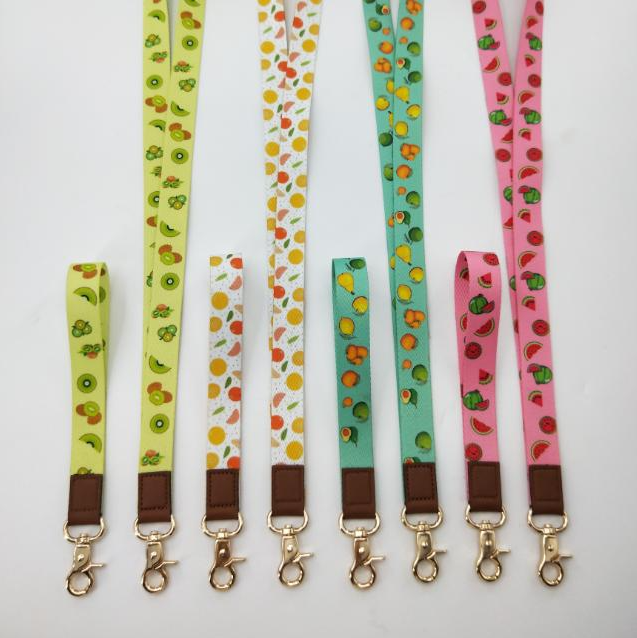

OEM ID Badge Holder Lanyard Selection Tips for Any Business
2026-11-16
Choosing the right OEM ID badge holder lanyard isn't just about keeping cards visible—it's a quiet statement of your company's professionalism. From retractable reels to breakaway safety features, the options can overwhelm even seasoned office managers. This guide from DONGCHUANG cuts through the noise, offering practical selection tips that work for any business size or industry.
Pick a lanyard fabric that survives your industry's worst day
A lanyard that breezes through a normal shift can turn into a hazard the moment a solvent splash hits it or a glove catches the cord near moving equipment. Before choosing a fabric, map out the worst realistic conditions: abrasive edges, chemical contact, UV exposure, or constant snagging. That reality check beats any spec sheet.
For chemical and moisture resistance, a tight woven polyester is usually the safest default—it doesn't soak up spills and won't loosen much after repeated yanks. If friction is the bigger enemy, go heavier with nylon, which handles scraping against tool pouches and safety gates without losing its edge. Where heat, sparks, or flame are possible, avoid cheap poly cord entirely and source a flame-resistant weave.
Tangling and twisting also shorten a lanyard's life faster than most people expect. A flat, tightly woven strap stays put on the chest and doesn't turn into a loop that grabs door handles. Pair that with quick-drying, colorfast material if lanyards get washed nightly or wear rain and sweat all shift. The final test is simple: would you trust it to hold your ID through your site's ugliest incident?
Breakaway clasps are a safety feature, not an upsell
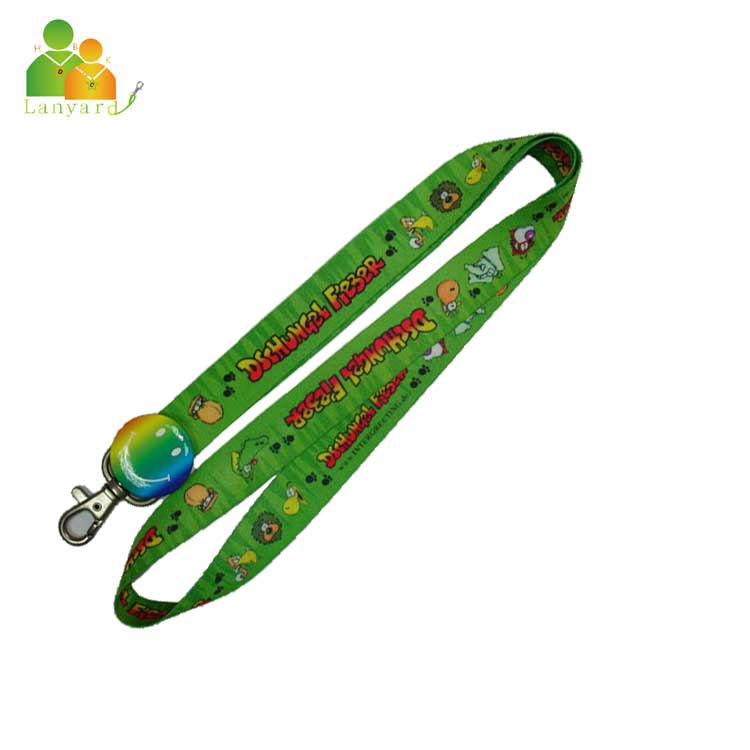
Breakaway clasps exist for one reason: to let go before you get hurt. When a lanyard or badge reel snags on a door handle, a conveyor belt, or a piece of machinery, the clasp is designed to separate under a few pounds of tension. That split-second release prevents choking, bruising, or worse. Treating this as an optional add-on misses the point entirely.
Some suppliers will list a breakaway feature as if it's a premium upgrade you should pay extra for. That's backwards. A clasp that doesn't break away is the risky version, not the baseline. If you're being quoted a lower price for a non-breakaway lanyard, you're not saving money—you're accepting a known hazard and hoping it never gets tested. Real safety equipment doesn't charge you for the part that keeps you alive.
Printing that won't crack or peel within the first quarter
Most prints look sharp on day one, but the real test is what they look like after ninety days of handling, folding, and temperature shifts. The ink and substrate bond has to be aggressive from the start — otherwise you end up with hairline fractures across fold lines or edges curling away from the surface. We use a curing process that locks the pigment into the material itself rather than just laying it on top, so the image doesn't split when the piece is bent or creased.
Peeling usually starts where the coating and base material meet, especially around die cuts or heavy ink coverage areas. That's why we run every batch through a flex test and a tape pull before it ships. The result is a print that stays intact through mailing, shelf wear, and repeated unfolding — no flaking at the corners or spiderweb cracks running through solid color blocks.
If your project involves repeated folding, tight rolls, or outdoor exposure, the last thing you want is a print that looks great for a month then starts falling apart. Our adhesion and flexibility specs are built around that first-quarter abuse window, so you won't get a customer call about a cracked logo or a peeling panel before the campaign has even gained traction.
The real reason badge weight dictates strap width
Most people assume a wider strap on a badge holder is just a style choice or a comfort upgrade, but the actual reason comes down to how a heavy metal badge behaves after hours on a moving body. A narrow strap concentrates that weight into a thin line across the shoulder, causing the badge to tilt forward, dig into the collar area, or slap against the chest with every step.
There's a mechanical threshold that gets ignored until you wear it all day. Once the badge, pin, and backing plate pass a certain weight, a thin leather or nylon strap starts to cup and roll under the load. That rolling creates uneven pressure and lets the badge sag outward, which only adds more torque at the attachment point. The width isn't about looking rugged; it's the minimum surface area needed to resist that twisting force when you bend, reach, or get in and out of a vehicle.
So when a maker insists that a heavy badge calls for a 1.5-inch strap, they're not trying to sell you more material. They're accounting for rotational stress and pressure points that never show up on a display hanger but become obvious after eight hours on duty. A too-narrow strap can hold the badge perfectly still when you try it on at home, then fail in real movement.
Color choices that help customers find the right employee fast
A simple way to guide customers without saying a word is to dress staff in bold, role-specific colors. In a busy hardware store, for example, an orange apron instantly signals someone who can cut lumber or mix paint, while a navy vest points to a manager. This kind of visual shorthand removes the guesswork from a customer's first scan of the aisle.
Contrast matters as much as the color itself. A bright yellow shirt against a neutral store background catches the eye from thirty feet away, even when a customer is tired or distracted. Pair high-visibility colors with clear, large name badges in the same hue, and the search for help becomes almost automatic.
Some businesses also use color to hint at authority or urgency. A red-trimmed uniform often signals a team lead who can override a price or approve a return, while teal might mark a floor associate focused on restocking. The key is consistency: once customers learn the code, they move toward the right person without hesitation, which keeps lines shorter and tempers cooler.
Always request a sample before committing to a bulk order
Before you sign off on a large purchase, ask the supplier to send a physical sample. It’s easy to get swayed by polished photos and spec sheets, but a sample lets you check the actual weight, stitching, material feel, and even how the packaging survives shipping. A small upfront request can save you from a warehouse full of disappointment.
Make the sample part of your negotiation. If a vendor hesitates or asks for an unreasonable fee, treat that as a signal. Reputable suppliers understand that serious buyers need to verify quality before committing. Even a partial sample—like a color swatch or a single unit from the production line—gives you a clearer picture than any catalog description.
Once the sample arrives, test it the way your customers would. Wash it, bend it, leave it in the sun, or run it through your typical usage. Note every small flaw and discuss corrections with the supplier before the bulk order goes into production. This step turns a vague promise into a concrete standard you both agree on.
FAQ
Start with how many hours it will be worn. For all-day comfort, a soft polyester or woven nylon beats stiff plastic. If your team handles equipment or works outdoors, a thicker, UV-resistant polyester holds up better than cotton blends.
Most businesses settle between 10mm and 15mm. Anything narrower feels flimsy and twists easily, while wider than 20mm can dig into the neck. If you want a bold logo, 15mm gives enough print area without becoming a nuisance.
A swivel hook is the most practical for flipping a badge to scan, while a bulldog clip grips thicker cards. Avoid split rings unless you also need keys attached—they slow down badge removal. Ask for reinforced stitching around the attachment point if people yank on their badges often.
Yes, especially around machinery, warehouses, or even doors that catch. A plastic side-release buckle that pops open under tension costs little and prevents a real injury. If you worry about employees losing the badge from accidental release, look for a clasp with a higher breakaway threshold.
Match the base color to your most common uniform or shirt, not just your logo. Dye-sublimation works well for full-color patterns on polyester, but if you only need a simple one-color logo, screen printing keeps edges crisper. Always request a physical sample before bulk ordering—colors on screen lie.
Yes, rPET made from recycled bottles performs nearly identically to virgin polyester. Bamboo fiber looks great for events but frays faster with daily wear. If you market a green brand, rPET with a metal-free clasp is your best middle ground.
Standard 36-inch lanyards hang too high on tall people and too low on petite frames. Order an adjustable slider on a 34-inch strap, which works for most heights from 5'0" to 6'3". For extreme heights, stock a couple of 40-inch extras instead of forcing one size on everyone.
Plan for 20% extra beyond your active employee count. Lanyards get lost, broken, or stained more often than you'd expect. If you run seasonal hiring or frequent events, bump that to 30% and store them with the badge supplies so replacements take seconds.
Conclusion
Choosing OEM badge holder lanyards for a business goes far beyond picking a color from a catalog. The fabric has to hold up under real working conditions—think grease, constant tugging, or outdoor exposure—so a cheap polyester that frays by month two ends up costing more in replacements than a sturdier woven option. Breakaway clasps aren't an add-on to skip; they prevent choking or snag injuries when a lanyard gets caught in machinery or by a customer. Printing should be tested for flex and abrasion, because logos that crack or peel within weeks make your team look unprofessional and force reorders.
Badge weight is another overlooked detail. A heavy credential holder or multi-card setup demands a wider strap, otherwise the narrow edge digs into the neck and the badge flips constantly. Color coding by department or role speeds up customer recognition in busy lobbies and warehouses—just keep the palette limited enough that it doesn't become noise. Finally, never commit to a bulk OEM order without a physical sample in hand. Photos hide stitching flaws, clasp stiffness, and color shifts. A sample lets you flex the print, tug the breakaway, and hang the actual badge weight before you spend thousands on lanyards that miss the mark.
Contact Us
Contact Person: Bill Huang
Email: [email protected]
Tel/WhatsApp: 8613829102720
Website: https://www.dclanyard.com