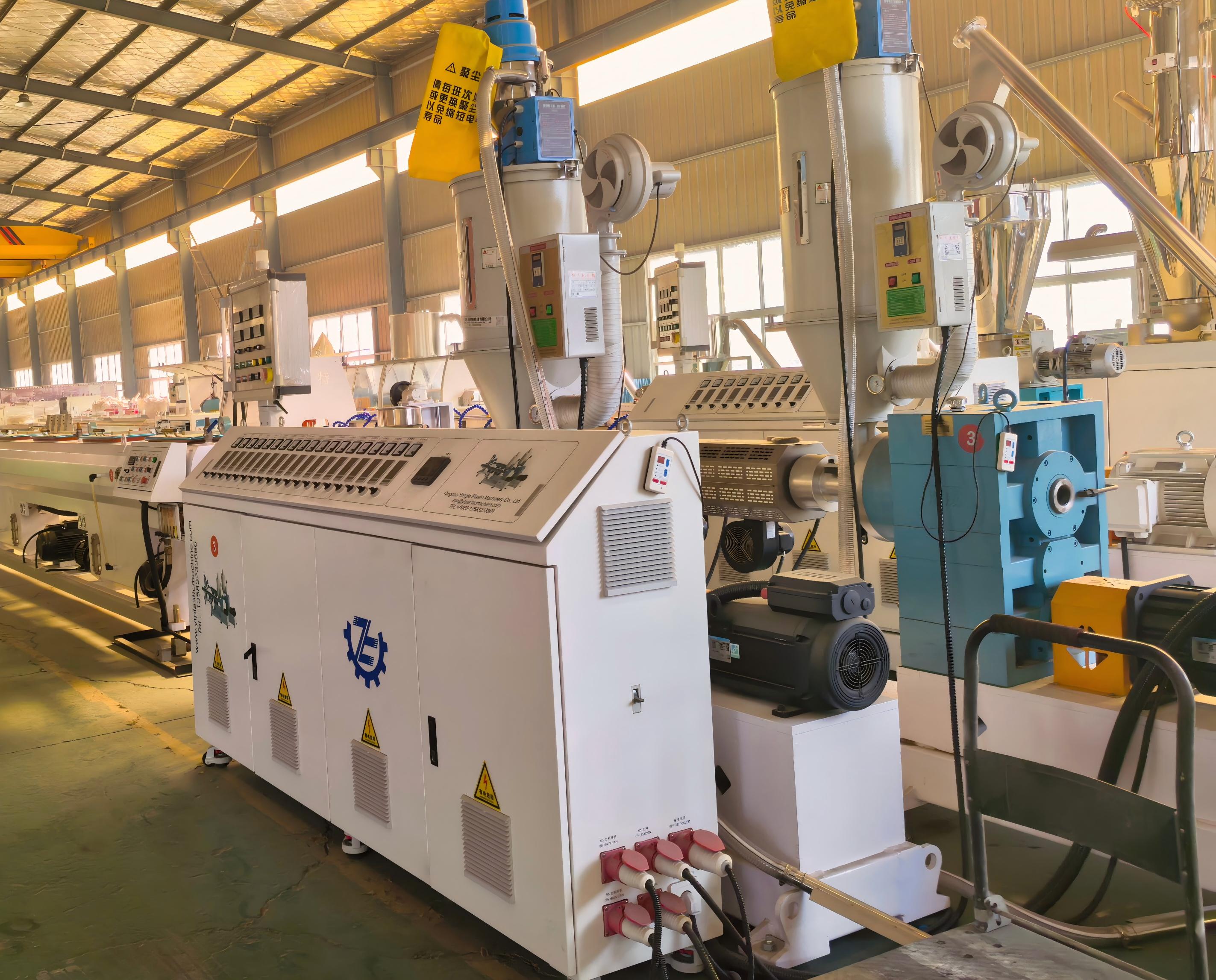

Plastic Lumber Machine: Advanced Recycling Technology for Eco-Friendly Building Materials
2026-03-19
In a world where sustainability takes center stage, innovative solutions are transforming how we approach construction and waste management. Enter the Plastic Lumber Machine—a cutting-edge technology that turns discarded plastics into durable, eco-friendly building materials. This blog explores the advanced recycling processes behind this groundbreaking innovation, highlighting its potential to reshape our built environment. At the forefront of this movement is Yongte, a brand dedicated to pioneering sustainable manufacturing. Join us as we dive into how this technology not only reduces plastic waste but also paves the way for greener, more resilient communities. Ready to discover the future of construction? Let's begin.
Innovative Plastic-to-Lumber Conversion Process
The groundbreaking plastic-to-lumber conversion process tackles one of today's greatest environmental challenges by transforming discarded plastics into durable, versatile lumber products. Unlike traditional methods that often rely on downcycling or incineration, this approach repurposes mixed plastic waste—including items like bottles, bags, and packaging—into high-strength materials suitable for construction, decking, and outdoor furniture. By diverting plastics from landfills and oceans, it not only reduces pollution but also conserves natural resources, offering a sustainable alternative to wood that's resistant to rot, pests, and moisture.
At the heart of this innovation lies a proprietary technology that sorts, cleans, and shreds the plastic waste before melting it into a moldable composite. The process carefully controls temperature and pressure to ensure uniformity and strength, resulting in planks or beams that can be cut, drilled, and assembled just like conventional lumber. What sets it apart is its adaptability; manufacturers can tweak the mix of plastic types to achieve specific properties, such as enhanced UV resistance for outdoor use or added flexibility for structural applications. This versatility makes it a game-changer in industries seeking eco-friendly materials without compromising on performance.
Beyond its technical merits, the plastic-to-lumber process fosters circular economy principles, creating a closed-loop system where waste becomes a valuable resource. Communities and businesses adopting this method report significant reductions in disposal costs and carbon footprints, as the production emits fewer greenhouse gases compared to traditional lumber processing. As awareness grows, this sustainable solution is gaining traction worldwide, paving the way for greener infrastructure projects and inspiring further innovations in waste management. It's a tangible step toward a cleaner planet, proving that ingenuity can turn trash into treasure.
Sustainable Building Solutions from Recycled Materials
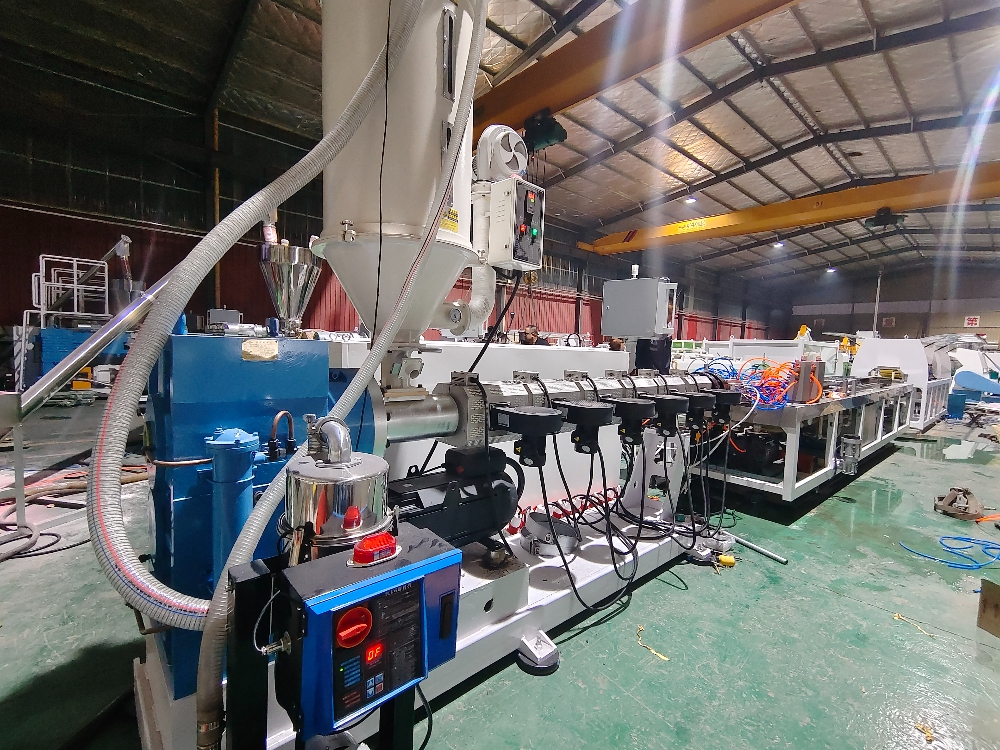
Transforming waste into building blocks is revolutionizing the construction industry. Companies are now using recycled materials like plastic, glass, and industrial by-products to create durable and eco-friendly structures. For example, bricks made from compressed plastic scraps not only reduce landfill waste but also offer excellent insulation properties. This shift cuts down on resource extraction and energy use, making it a practical step towards greener building practices.
Imagine a building clad in panels crafted from old car windows or a foundation reinforced with recycled steel. These innovations aren't just theoretical; they're being implemented in projects worldwide, from residential homes to commercial spaces. By integrating these materials, builders can lower costs and carbon footprints simultaneously, demonstrating a real-world impact on sustainability goals.
Beyond environmental perks, recycled materials often bring unique aesthetic and functional benefits. Think of countertops made from recycled glass that shimmer with color or insulation from denim scraps that enhances indoor air quality. These solutions aren't merely alternatives but improvements, challenging traditional methods and inspiring a new wave of design creativity. As adoption grows, they're reshaping how we view construction waste—not as trash, but as a valuable resource for the future.
Efficiency and Precision in Plastic Board Production
In today's fast-paced manufacturing landscape, achieving both efficiency and precision in plastic board production is paramount for companies aiming to stay competitive. By integrating advanced automation systems, such as computer-controlled extrusion lines, producers can significantly reduce waste and cycle times. This not only streamlines operations but also ensures consistent output quality, making the process more sustainable and cost-effective. For instance, real-time monitoring tools allow for immediate adjustments, preventing defects that might otherwise delay shipments.
Beyond automation, precision hinges on meticulous material selection and process control. Using high-grade polymers and sophisticated molding techniques, manufacturers can craft boards with exact thicknesses and properties tailored to end-use needs, from construction panels to medical equipment. This attention to detail minimizes rework and enhances product durability, aligning with growing industry demands for reliability and performance. By balancing speed with accuracy, producers can deliver superior products without compromising on either aspect.
Innovations like laser-based cutting and AI-driven quality inspection further elevate production standards, enabling rapid customization and stringent defect detection. These technologies foster a flexible environment where efficiency and precision coexist, empowering manufacturers to adapt quickly to market changes while maintaining high standards. As a result, businesses can scale their operations efficiently, meeting diverse customer requirements with precision-engineered solutions that stand out in a crowded marketplace.
Environmental Impact Reduction Through Advanced Machinery
Cutting-edge machinery is transforming how industries tackle environmental footprints. Imagine smart energy systems that adjust in real-time or robots that precisely manage waste—these technologies aren't just futuristic concepts; they're already slashing emissions and conserving resources. For instance, automated agriculture equipment can optimize water use, reducing runoff and soil degradation. This shift toward smarter tools is proving that efficiency and sustainability can go hand-in-hand, offering a practical path forward for businesses aiming to meet stricter environmental standards.
Beyond basic automation, advanced machinery incorporates features like predictive maintenance and AI-driven analytics to minimize operational waste. A factory using IoT-connected sensors can detect inefficiencies before they escalate, curbing unnecessary energy consumption. Similarly, electric construction machinery cuts down on fossil fuel reliance while operating with less noise and air pollution. These innovations demonstrate that investing in next-gen equipment isn't merely about boosting productivity—it's a strategic move to lessen ecological harm from the ground up, fostering cleaner processes across sectors.
What sets modern machinery apart is its adaptability to circular economy principles. Devices designed for easy disassembly and recycling, or those that repurpose byproducts, help close resource loops. In manufacturing, 3D printers reduce material waste by building components layer-by-layer, while advanced filtration systems in industrial plants capture and reuse pollutants. By integrating such tailored solutions, companies can achieve significant reductions in their environmental impact, paving the way for a more resilient and responsible industrial landscape.
Versatile Applications for Eco-Friendly Construction
Eco-friendly construction isn't just about reducing carbon footprints; it's a practical approach to building that addresses diverse needs from residential projects to large-scale urban developments. Materials like bamboo, recycled steel, and reclaimed wood are being creatively integrated into everything from cozy homes to bustling office spaces, proving that sustainability can enhance both aesthetics and functionality. This adaptability allows architects and builders to tailor solutions to specific environments, whether it's a sleek urban skyline or a remote rural community, all while minimizing waste and energy consumption.
In the realm of public infrastructure, green construction techniques are revolutionizing how cities manage resources. Rainwater harvesting systems, for instance, are being implemented not only in individual buildings but across entire neighborhoods, reducing strain on municipal water supplies. Similarly, green roofs and walls are popping up in unexpected places—from hospitals to schools—providing insulation, improving air quality, and even boosting mental well-being. This versatility shows that eco-friendly methods aren't just niche trends; they're becoming essential tools for creating resilient and livable spaces in our fast-changing world.
Looking ahead, innovative technologies like 3D printing with biodegradable materials are pushing boundaries further, enabling custom designs that were once impossible. This flexibility allows for rapid, cost-effective construction in disaster-stricken areas or underserved regions, demonstrating how eco-friendly practices can adapt to urgent challenges. By blending tradition with cutting-edge approaches, the construction industry is evolving to offer solutions that are as diverse as the problems they aim to solve, making sustainability an integral part of modern architecture's toolkit.
Cost-Effective and Durable Recycled Plastic Lumber
Recycled plastic lumber offers a smart solution for those seeking budget-friendly yet robust materials. By converting discarded plastics into sturdy planks, this product helps reduce waste while providing an affordable alternative to traditional wood. You can use it for various outdoor projects, from decking to fencing, without breaking the bank.
Unlike natural wood that might rot or splinter over time, recycled plastic lumber stands up to harsh weather conditions with ease. Its durability means fewer replacements and lower maintenance costs in the long run. This makes it a solid choice for sustainable construction that lasts.
What sets this material apart is its eco-friendly edge combined with practical benefits. It resists moisture, insects, and fading, ensuring your structures stay looking great year after year. For a greener and more economical building option, consider switching to recycled plastic lumber.
FAQ
A plastic lumber machine transforms waste plastic into durable building materials, offering a sustainable alternative to wood and reducing landfill waste.
These machines use processes like extrusion and molding to melt and shape recycled plastics into uniform lumber, often incorporating additives for strength and weather resistance.
Commonly, it handles plastics like HDPE, LDPE, and PP from sources such as bottles and packaging, but compatibility may vary by machine design.
Plastic lumber resists rot, insects, and moisture better than wood, requiring less upkeep, though it may have different thermal expansion properties.
It diverts plastic from landfills, reduces deforestation, and lowers carbon footprints by utilizing recycled materials instead of new resources.
Challenges include initial setup costs, variability in plastic waste quality, and the need for energy in processing, though innovations are addressing these issues.
Conclusion
The Plastic Lumber Machine represents a significant leap in sustainable technology, transforming discarded plastics into high-quality building materials through an innovative plastic-to-lumber conversion process. By efficiently processing various plastic types, this advanced machinery produces durable boards with remarkable precision, reducing waste that would otherwise end up in landfills or oceans. The technology not only addresses plastic pollution but also offers a cost-effective alternative to traditional wood, combining environmental responsibility with practical economic benefits for construction industries worldwide.
Beyond mere waste reduction, this machinery enables versatile applications for eco-friendly construction, from decking and fencing to structural elements, all crafted from recycled materials. Its sustainable building solutions contribute to a circular economy while minimizing environmental impact through energy-efficient operations. The resulting recycled plastic lumber is both durable and low-maintenance, outperforming conventional materials in longevity and resistance to weathering. As industries seek greener alternatives, this technology stands out by turning an environmental challenge into a resource, paving the way for more resilient and sustainable urban development.
Contact Us
Contact Person: Ms Qin
Email: [email protected]
Tel/WhatsApp: 8613583233866
Website: https://www.yongteplast.com