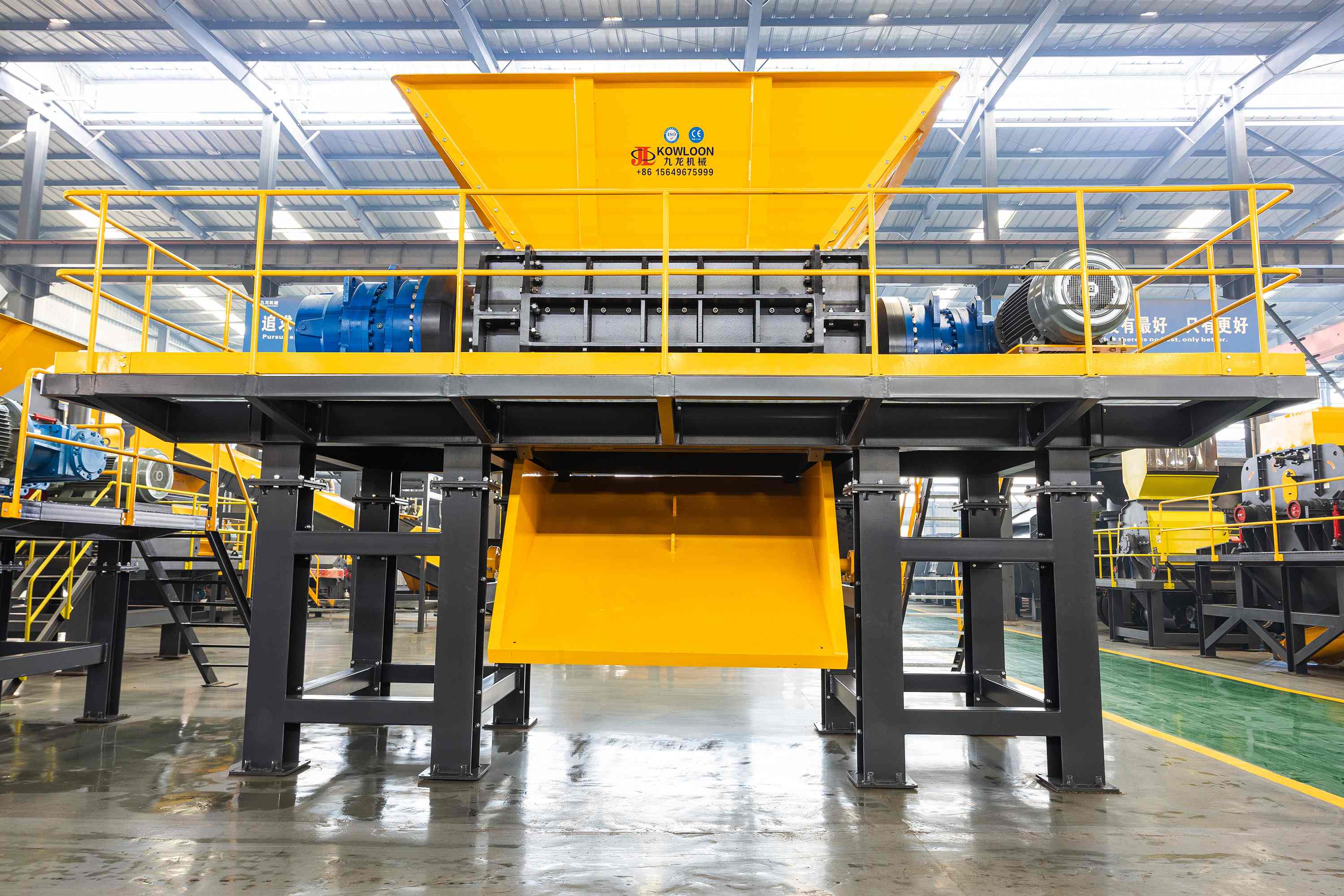

Unlocking Sustainability: Tire Recycling Company Solutions for a Greener Future
2026-04-06
As the world shifts towards a more sustainable future, tire recycling emerges as a critical yet often overlooked solution. In this blog, we'll explore how innovative technologies are transforming waste tires into valuable resources, paving the way for a greener tomorrow. At the heart of this revolution stands Kowloon Machinery, a leader in developing cutting-edge equipment that drives efficiency and environmental responsibility. Dive in to discover the untapped potential of tire recycling and how it's reshaping industries worldwide.
Turning Old Tires into New Possibilities
The concept of repurposing old tires opens up a world of innovative solutions, transforming what was once considered waste into valuable resources. By exploring creative methods like rubber recycling, these discarded materials can be crafted into durable playground surfaces, resilient flooring, or even eco-friendly construction elements, reducing landfill impact while fostering sustainability.
Beyond traditional recycling, advancements in technology have enabled old tires to fuel new opportunities in industries such as energy and design. For instance, tire-derived fuel provides an alternative to fossil fuels, while artists and architects incorporate shredded rubber into artistic installations and functional products, showcasing the versatility and aesthetic potential of this overlooked material.
Embracing this shift not only addresses environmental concerns but also inspires community engagement and economic growth. Local initiatives that collect and process old tires often create jobs and promote circular economy models, demonstrating how simple waste can evolve into catalysts for positive change and long-term prosperity.
Innovative Tire Recycling Technologies Driving Change
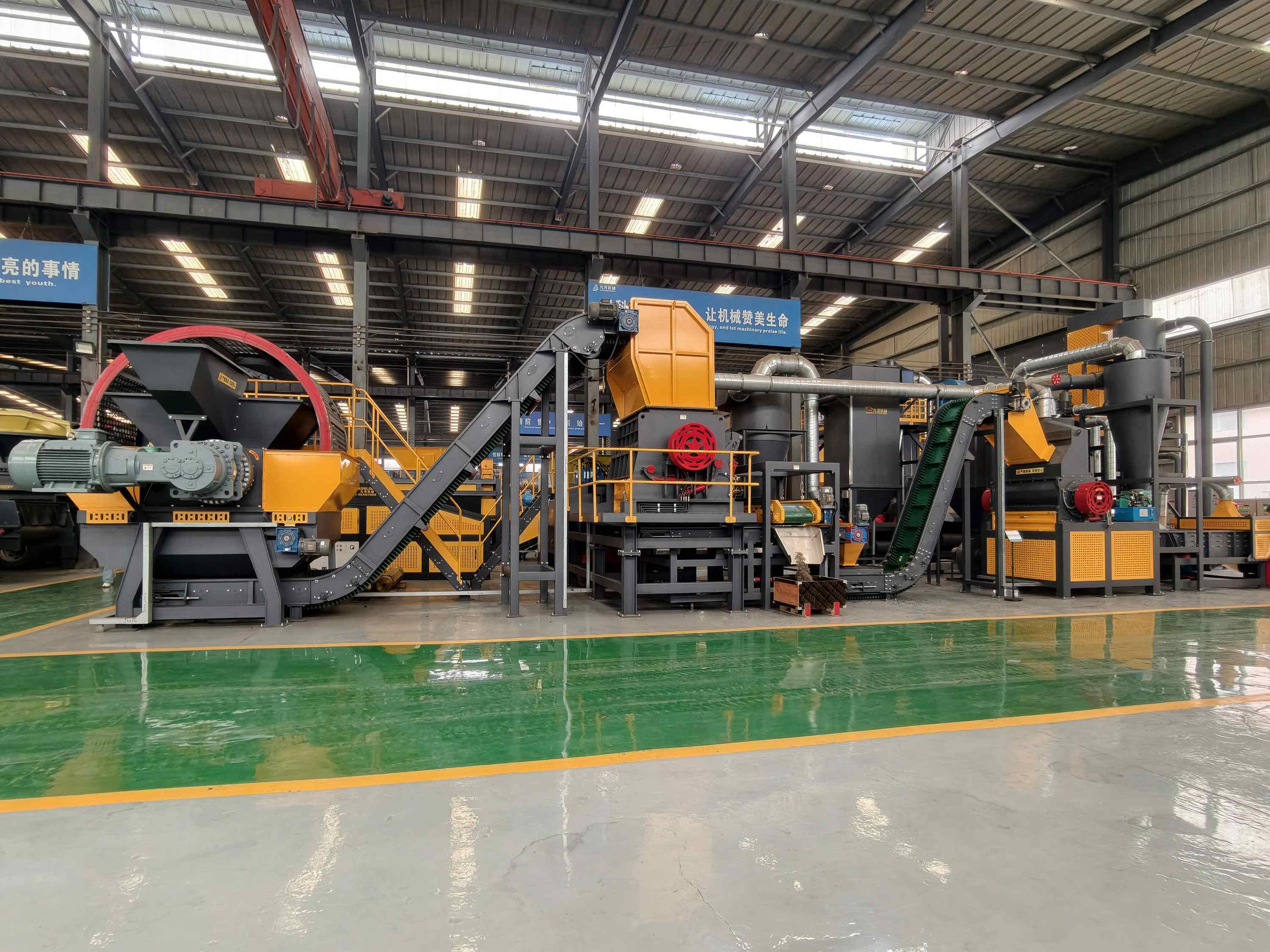
As waste tires pile up globally, new recycling methods are breaking old habits. Instead of simply shredding rubber for low-grade uses, technologies like pyrolysis and cryogenic grinding are turning tires into high-value products like carbon black, steel, and synthetic oils. These approaches reduce landfill reliance and cut greenhouse gas emissions, making tire disposal more sustainable and economically viable for industries.
Beyond traditional recycling, advancements in devulcanization allow rubber to be reused in new tires, preserving material quality and reducing the need for virgin resources. Innovations in material science also enable crushed tire rubber to enhance asphalt durability and noise reduction in roads, showcasing how old tires can build better infrastructure.
Driving this shift are startups and partnerships integrating smart tech, such as AI for sorting and IoT for tracking recycled materials. These efforts not only boost efficiency but also create circular economies, transforming tires from waste into valuable resources while pushing industries toward greener practices.
Environmental Benefits of Scrap Tire Repurposing
Repurposing old tires offers a range of environmental advantages that go beyond just keeping them out of landfills. By transforming scrap tires into new materials, we reduce waste substantially, cutting down on the space needed for disposal. This process also helps lower the risk of tire fires, which can release toxic fumes and pollutants into the air, harming local ecosystems and human health. Instead, these tires serve as valuable resources for other purposes.
Another key benefit lies in the conservation of raw materials. When tires are recycled into products like rubber mulch for playgrounds or asphalt for roads, it decreases the demand for virgin resources such as natural rubber and petroleum. This not only saves energy but also reduces greenhouse gas emissions associated with extracting and processing new materials. By integrating repurposed tires into everyday items, we support a more circular economy that prioritizes reuse over disposal.
Moreover, repurposing tires can enhance soil and water quality in unexpected ways. For instance, using crumb rubber in landscaping helps prevent erosion and retains moisture, promoting healthier gardens. In water management, tire-derived aggregates are used in drainage systems to filter contaminants, improving runoff quality. These innovative applications show how scrap tire repurposing turns a potential environmental burden into a tool for ecological improvement, fostering sustainability in both urban and natural settings.
Economic Advantages of Sustainable Tire Management
Sustainable tire management offers compelling economic benefits by transforming waste into valuable resources. Instead of discarding used tires in landfills, companies can implement recycling and retreading processes that generate new revenue streams. For instance, recycled rubber can be sold for use in playground surfaces, athletic tracks, or construction materials, creating a steady income while reducing disposal costs. This circular approach not only cuts down on raw material expenses but also enhances brand reputation as consumers and investors increasingly favor environmentally responsible businesses.
Another financial edge comes from improved operational efficiency through proactive tire maintenance. By regularly monitoring tire pressure and tread wear, fleet managers can extend tire lifespan, lowering replacement frequency and saving on capital expenditures. This practice also boosts fuel efficiency, as properly inflated tires reduce rolling resistance, leading to significant cuts in fuel consumption—a critical factor given volatile fuel prices. These savings accrue over time, making sustainable management a smart long-term investment rather than just an environmental gesture.
Additionally, sustainable tire management helps mitigate regulatory and liability risks that can drain corporate budgets. Governments worldwide are tightening waste disposal laws, often imposing hefty fines for improper tire handling. By adopting sustainable practices, businesses avoid these penalties and reduce potential cleanup costs from environmental contamination. Moreover, it fosters innovation, encouraging companies to develop new technologies or partnerships that open up niche markets, such as upcycled tire products, further diversifying income sources and building resilience against market fluctuations.
Collaborative Efforts for a Cleaner Planet
Imagine a world where rivers run clear and forests thrive, not as distant dreams but as everyday realities. This isn't the work of isolated heroes; it's a tapestry woven from countless hands and hearts. From grassroots volunteers cleaning up local parks to multinational corporations investing in green technology, every action intertwines. It's the neighbor who starts a community garden, the student advocating for renewable energy, and the engineer developing new ways to reduce waste. Together, these diverse efforts build momentum, turning small steps into sweeping change.
But collaboration goes beyond individual acts—it thrives in unexpected partnerships. Think of farmers working with scientists to adopt sustainable practices, or artists teaming up with environmentalists to raise awareness through creative projects. Even rivals in business can unite over shared goals, like reducing carbon footprints across entire supply chains. This synergy amplifies impact, blending expertise and passion to tackle complex issues that no single group can solve alone. It's about finding common ground, listening to different voices, and embracing innovation from all corners.
Ultimately, a cleaner planet isn't just an endpoint; it's a journey we navigate together. By fostering open dialogue and mutual respect, we can overcome barriers and inspire collective action. Whether through local initiatives or global alliances, this shared commitment fuels progress, reminding us that our planet's health is a responsibility we all hold. In this interconnected effort, every contribution counts, weaving a resilient future for generations to come.
Future Roadmap in Tire Recycling and Sustainability
Driven by the escalating global demand for eco-friendly practices, the tire recycling industry is undergoing a transformative shift, aiming to drastically reduce landfill waste and maximize resource recovery. The future roadmap hinges on advanced technologies like pyrolysis, which breaks down tires into valuable components such as carbon black and oil, and devulcanization, enabling the reuse of rubber in high-quality applications. This not only curtails environmental harm but also fosters a circular economy by turning end-of-life tires into raw materials for new products.
Sustainability initiatives are increasingly focused on integrating recycled tire materials into mainstream manufacturing, from road surfaces and playgrounds to automotive parts and fashion. Partnerships between governments, industries, and researchers are crucial to standardizing processes, improving efficiency, and lowering costs. By investing in innovation and policy frameworks, the sector aims to achieve near-zero waste and enhance its contribution to global sustainability goals.
Looking ahead, consumer awareness and demand for green products will likely propel further advancements, encouraging a shift from traditional disposal methods to holistic recycling systems. With continuous R&D and collaborative efforts, the tire recycling landscape is set to evolve into a cornerstone of waste management and environmental stewardship worldwide.
FAQ
They're adopting advanced pyrolysis technology to convert old tires into valuable materials like carbon black and oil, reducing landfill waste by over 90% while creating new revenue streams.
By reusing rubber in products such as playground surfaces and athletic tracks, these companies close the loop on waste, minimizing resource extraction and lowering carbon footprints across industries.
Strict e-waste and recycling laws in regions like the EU drive innovation, pushing companies to develop eco-friendly processes and ensuring compliance fosters market growth and public trust.
Yes, through mechanical shredding and devulcanization, recycled rubber is being used in automotive parts and construction materials, offering durability and cost savings without compromising quality.
These investments reduce disposal costs, open up new markets for green products, and attract eco-conscious consumers, leading to long-term profitability and resilience against raw material price volatility.
They create skilled jobs in processing and R&D, while reducing pollution and health risks from tire piles, fostering cleaner, more sustainable neighborhoods and boosting local economies.
Emerging tech includes AI-driven sorting systems and chemical recycling methods that enhance material purity, speeding up processes and making recycling more scalable and cost-effective globally.
Conclusion
The initiative "Unlocking Sustainability: Tire Recycling Company Solutions for a Greener Future" highlights the transformative journey from discarded tires to valuable resources, demonstrating a shift towards circular economy principles. By turning old tires into new possibilities, these companies are not just addressing waste management but fostering innovation in materials and energy recovery. This approach is driven by cutting-edge technologies that reduce landfill dependency and open up avenues for repurposing rubber into products like playground surfaces or construction materials, showcasing a proactive stance on environmental stewardship.
Beyond ecological gains, sustainable tire management offers significant economic benefits, from cost savings in waste disposal to job creation in green industries. Collaborative efforts among businesses, governments, and communities amplify these impacts, paving the way for a cleaner planet. Looking ahead, the future roadmap in tire recycling emphasizes scalability and continuous improvement, ensuring that these solutions remain adaptable and effective in pursuing long-term sustainability goals, thus solidifying a greener, more resilient future.
Contact Us
Contact Person: Ray
Email: [email protected]
Tel/WhatsApp: +86 13733817580
Website: https://www.zzkowloon.com/