

Wholesale Fresh Cold-Chain Box: Your Ultimate Solution for Safe Perishable Transport
2026-10-18
Moving perishable goods isn't just about speed—it's about control. One small temperature swing can turn a profitable wholesale order into a costly loss. If you're shipping fresh produce, dairy, seafood, or ready-to-eat meals, your cold-chain packaging is the silent partner in every delivery. The wholesale fresh cold-chain box from Kuaijie Carton is built for that exact challenge. In this post, we'll explore why the right box matters more than you think—and how it keeps your product safe from dock to doorstep.
Cold Chain Boxes That Keep Temperatures Rock-Solid on the Road
During long hauls across desert highways or mountain passes, the inside of a cold chain box has to ignore what's happening outside. A well-built unit combines vacuum insulation panels with tight-sealing gaskets, so the 2–8°C range holds steady even when the trailer bakes in the sun or hits freezing nights. It's not just about thick walls—it's about how the door latches, how the airflow moves around the payload, and whether the phase change materials were conditioned to the right temperature before loading.
On rough roads, vibration can shake a poorly designed box enough to crack seals or shift payload away from the cooling source. That's why the best designs use reinforced corners, non-slip floors, and internal baffles that keep air circulating without creating dead zones. Drivers also get a practical advantage: data loggers with visible alerts mean they can spot a temperature drift during a rest stop instead of discovering it at the delivery dock.
Some operators still think a thicker wall automatically means better protection. In practice, a thinner vacuum-insulated panel often outperforms bulky foam because it leaves more usable cargo space while cutting heat leak. The real test is a summer run from Phoenix to El Paso with the doors opening at every stop—only then do you see which boxes are built for the road and which are just insulated crates.
Bulk Shipping for Perishables Without the Usual Guesswork
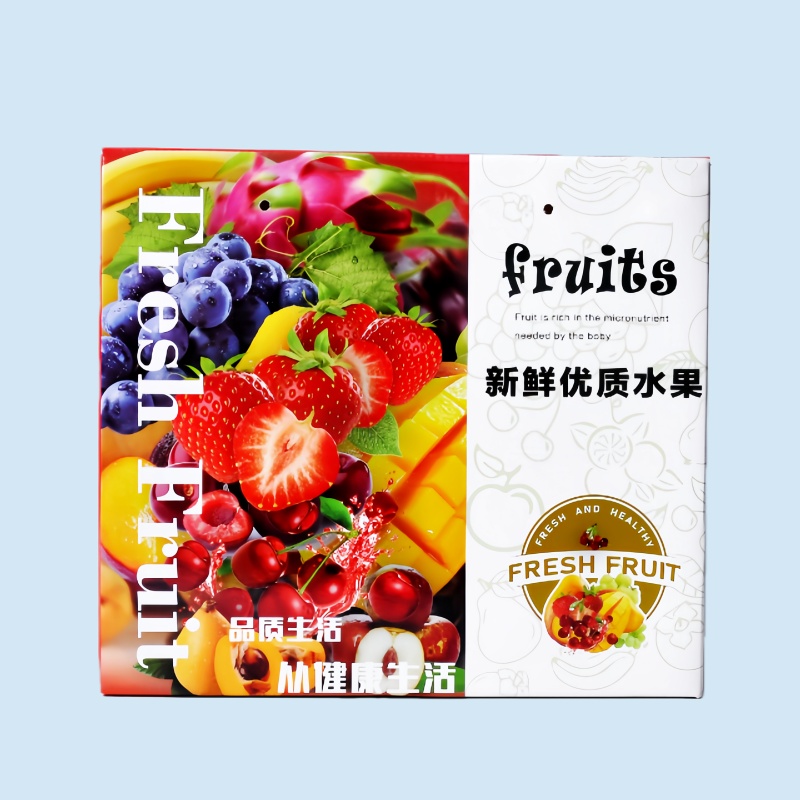
A crate of Peruvian asparagus doesn't behave like a container of New Zealand lamb, yet most bulk shipping plans treat them the same. That's where the guesswork starts. Instead, we track temperature, humidity, and air flow at pallet level from the moment the doors close at origin until they open at the destination.
If a reefer's compressor cycles too aggressively in the Panama Canal heat, the system catches the spike before it becomes a spoilage event. Rather than waiting for an end-of-trip log, you can see exactly which part of the load is at risk and instruct the carrier to adjust settings mid-voyage. No more post-mortem investigations.
Each shipment leaves behind a clean data trail, so the next booking is built on evidence, not someone's hunch. Over time, the margin for error shrinks, and your buyers get produce that still has full shelf life.
From Warehouse to Doorstep, Freshness Never Takes a Detour
Every order starts in a chilled staging area where temperature logs are checked against the route, not just the clock. Crates are stacked by delivery sequence so the last box on the truck is the first one handed over—no re-sorting at the curb, no warm air creeping in while someone searches for a misplaced bag.
Drivers follow a radius-based dispatch that favors density over distance. A neighborhood with six stops gets priority over a lone address across town, which means produce spends less time idling at red lights and more time moving through a predictable cold chain. Ice packs are swapped for gel-lined totes on longer runs, and the van’s rear compartment is zoned to match the load plan.
At the door, the handoff is deliberately boring: scan, place, knock, leave. There’s no signature dance or porch-side small talk that keeps the seal broken. If nobody answers, the box goes to a shaded spot mapped in the app, and the timer stops the moment the photo is taken. Freshness isn’t about speed alone—it’s about removing every pause between the warehouse floor and the welcome mat.
Heavy-Duty Insulation for Seafood, Produce, and Dairy Runs
Truck bodies hauling seafood, fresh produce, and dairy demand far more than a standard liner. These loads sweat, shift, and throw off moisture constantly, so the insulation has to shrug off humidity without breaking down. Closed-cell foam panels with reinforced facing keep cold air locked in while resisting the corrosive mix of salt spray, fruit acids, and whey that eats away at weaker materials.
Temperature swings are brutal on these routes. A rig might sit on a hot dock for an hour before rolling through a desert pass, then back into a chilled warehouse. The right heavy-duty insulation slows that thermal bleed, holding the interior within a tight band even when the compressor cycles off. That consistency matters more than raw R-value—it keeps berries from weeping, fish fillets firm, and milk from soured edges.
Floor and wall joints take the real abuse. Pallets of iced seafood grind against the base, while dairy crates drip and produce bins get hosed out daily. Seamless, high-density insulation with a tough, cleanable surface prevents hidden rot and microbial buildup behind the liner. Drivers and fleet managers notice the difference: fewer hot spots, less odor retention, and a body that still feels solid after years of wet, cold, and constant loading.
Wholesale Orders That Arrive Ready to Protect Your Stock
Imagine unpacking a shipment and finding every item already sealed, wrapped, or cushioned exactly the way your warehouse would do it, without lifting a single roll of tape. That’s the quiet advantage of wholesale orders built around ready-to-protect packaging. Instead of sorting loose products into bins and hoping they survive the next shelf rotation, you get pallets where each unit arrives in its own defensive layer, sized to the product, not stuffed with generic filler.
This isn’t just about saving time on the dock. It changes how you plan inventory because the stock can move straight from the receiving door to the pick line or storage rack. Fragile edges stay intact, moisture-sensitive goods stay dry, and labels stay readable under the film. When your supplier treats protection as part of the product, you stop budgeting for hidden damage, repacking labor, and those awkward customer calls about crushed corners.
The real difference shows up in the details: corner guards already taped in place, interleaved sheets between stacked items, and stretch wrap tensioned to hold a full pallet steady on a bumpy ride. You don’t have to train staff to redo the work or keep a closet full of backup boxes. A wholesale order that arrives ready to protect your stock means you’re not buying problems; you’re buying inventory that stays sellable from the first scan to the final delivery.
No More Spoilage Headaches When Shipping Fresh at Volume
Shipping fresh produce in large quantities used to mean accepting a certain percentage of loss. Temperature swings, delayed transit, and poor airflow inside the container often turned crisp greens into wilted rejects by the time they reached the dock. But that old trade-off no longer holds. Modern cold chain setups now pair precision humidity control with active ventilation, so every pallet stays within a narrow freshness window—even when you're moving hundreds of boxes at once.
The real difference comes from reefer units that respond to real-time sensor data instead of running on fixed cycles. If the load starts to respire faster than expected, the system adjusts airflow and cooling output automatically. That means no more guessing how many hours of shelf life are left when the truck pulls away. Volume shippers can finally plan routes and delivery windows around produce condition, not around the fear of spoilage.
For operations that send out mixed loads—berries alongside leafy greens, stone fruit next to herbs—the old one-size-fits-all setting was a silent killer. Now, zoned temperature mapping lets each section of the trailer hold its own microclimate. The result is fewer rejected pallets, fewer emergency repacks, and a lot less shrink eating into the margin on every shipment.
FAQ
It's a specialized insulated container designed to maintain a consistent low temperature for perishable goods during storage and transit, available in bulk for businesses.
The box uses high-grade insulation and often phase-change materials or gel packs to absorb heat and maintain the internal temperature within a safe range, preventing bacterial growth and spoilage.
It's ideal for fresh produce, dairy, meats, seafood, pharmaceuticals, and floral products—anything that requires temperature control to preserve quality and safety.
Ours is engineered with multi-layer thermal barriers, a moisture-resistant exterior, and a robust sealing system, ensuring longer temperature retention and durability for repeated use.
Depending on the ambient conditions and the number of cooling packs used, the internal temperature can be held for 24 to 72 hours, sufficient for most regional and national shipments.
Yes, the box is designed for multiple uses. Simply wipe the interior with a mild disinfectant or food-safe cleaner, allow it to dry, and it's ready for the next shipment.
We offer a range of sizes from small parcel boxes to large pallet-sized containers, and we can also customize dimensions to fit your specific product lineup.
Absolutely. By reducing spoilage and product loss, and eliminating the need for disposable styrofoam or cardboard coolers, the boxes pay for themselves over time while enhancing your brand's reliability.
Conclusion
Moving temperature-sensitive freight across long hauls has always carried risk, but the right wholesale fresh cold-chain box removes that uncertainty. These units are built with heavy-duty insulation that locks in stable internal temperatures even when the truck sits in traffic or crosses desert stretches. For seafood, produce, and dairy, that means ice beds stay intact, leafy greens don't wilt from door heat, and cream doesn't sour before it reaches the loading dock. Bulk shipping no longer involves guessing how many gel packs will survive the route; the box itself does the regulating, so you can send full pallets with confidence. Wholesale orders arrive stackable and ready to line your cold storage, not as flimsy single-use alternatives that buckle under real weight.
The biggest payoff comes at the final mile. From warehouse to doorstep, freshness never takes a detour because the cold chain doesn't break when a driver opens the back or a customer unloads in warm weather. You stop writing off spoiled inventory and start turning perishables into dependable revenue. When shipping fresh at volume, even a two-degree drift can ruin a whole route, so having a box that functions like a mobile cold room matters more than extra wrapping or last-minute ice top-ups. That reliability is what makes the wholesale fresh cold-chain box an actual solution for safe perishable transport, not just another packaging promise. It protects the product, the margin, and the schedule in one heavy-duty design.
Contact Us
Contact Person: Tan Xiang
Email: [email protected]
Tel/WhatsApp: 8613798906863
Website: https://www.dgkjzx.com