

Window Treatments Wholesale Buying Guide for Modern Homes
2026-10-31
Sourcing window treatments at wholesale prices often feels like navigating a maze of inconsistent quality and hidden markups. But for modern homes, the right supplier changes everything. This guide strips away the guesswork, showing you exactly what to look for—from materials and light control to durability—and why ROLLERGY has become the go-to name for buyers who refuse to compromise.
Reading the Room: Matching Window Styles to Modern Architecture
Modern architecture treats windows as more than just openings for light—they are instruments that shape how a room feels, how it connects to the outdoors, and how the building reads from the street. The first step in matching a window style is to look at what the room already offers: its proportions, the direction it faces, and the thickness of its walls. A narrow, dim hallway might call for a slender vertical window that draws the eye upward, while a wide living area with low ceilings often benefits from a continuous band of glass that stretches the space horizontally.
The real skill lies in letting the window respond to the room's function rather than imposing a signature look. A quiet study corner may work best with a tall, fixed pane that frames a single tree like a living painting, whereas a kitchen that opens to a terrace might need full-height sliding panels that dissolve the boundary between inside and out. Even the frame material matters: thin steel or aluminum profiles maximize glass and reinforce a minimalist edge, while timber adds warmth and can soften the starkness of concrete or white drywall.
Ultimately, matching window styles to modern architecture is about editing, not adding. It means stripping away decorative casing, aligning the window with structural grid or wall planes, and choosing a configuration that seems inevitable for that particular room. When the glass, frame, and opening are in sync with the building's rhythm, the window stops being a feature and becomes an essential part of the architecture itself.
Fabric, Light, and Privacy: What Wholesale Buyers Overlook
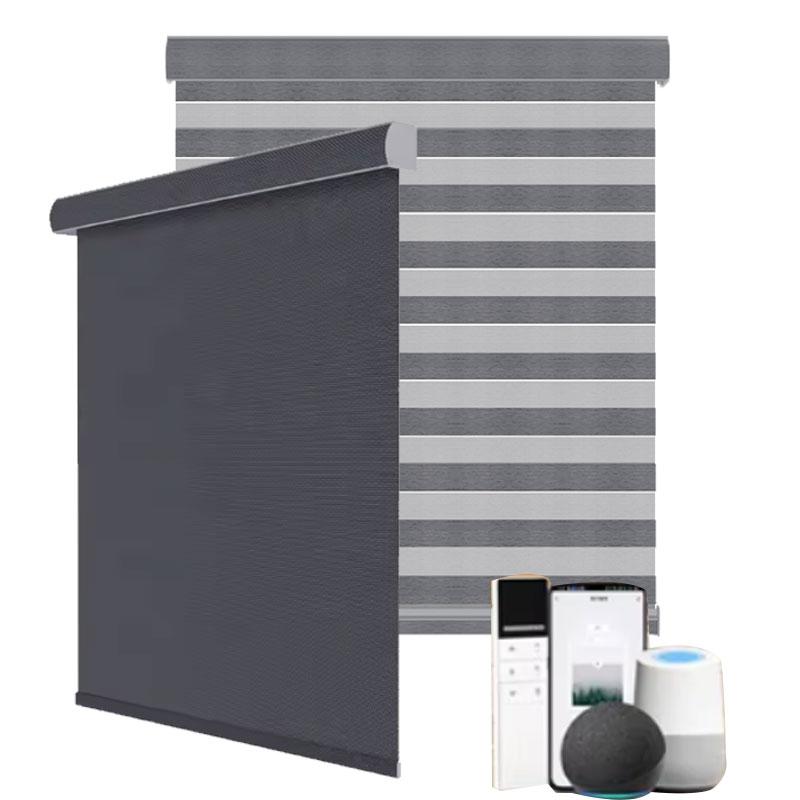
Most wholesale buyers zero in on thread count, weight, and colorfastness when selecting fabrics, but they rarely hold a sample up to a window. The way light moves through a textile—whether it diffuses softly, casts sharp shadows, or reveals a telltale weave pattern—can make or break a product's perceived quality. Sheer linen that looks elegant in a catalog may turn unflatteringly transparent in a bright retail space, while a blackout curtain that performs perfectly in a lab might still leak tiny pinpricks of light around the stitching. These are the details that end users notice immediately, yet they seldom appear in a spec sheet.
Privacy is another quiet battleground. A fabric can feel dense to the touch and still fail a simple silhouette test: stand behind it in daylight, and a buyer's outline becomes a shadow puppet show. This gap between expected and actual opacity is especially common in lightweight cottons, bamboo blends, and cheap voiles. Savvy wholesalers test samples under both natural and artificial light, at different times of day, because a material that seems private in an office corridor may become a peep show on a sunlit veranda. Without that check, returns and complaints pile up.
The fix isn't always a heavier fabric—it's a smarter conversation with the mill. Ask for light transmission data, test at multiple angles, and request a small batch before committing to a container load. Wholesale buyers who overlook how fabric behaves with light and privacy end up paying twice: once for the goods, and again in lost trust from retail partners who face the real-world consequences of a curtain that doesn't curtain or a shirt that turns sheer under a flashbulb.
Beyond the Sample Book: Evaluating Durability Before You Stock
A sample book can only show you what a fabric looks like on day one. It rarely reveals how the material will hold up after a season of heavy foot traffic, spilled drinks, or repeated cleaning. Before you commit to a bulk order, you need to look past the swatch and think about real-world wear. Does the weave resist pilling? Will the color fade unevenly after a few months near a window? These are the questions that separate a smart buy from a costly mistake.
Start by requesting a larger cutting or a full repeat, then put it through a simple stress test at your own pace. Rub the surface with a dry cloth to check for pilling or snagging. Stretch it gently across the bias to see if the seams will hold. If the material is intended for upholstery or high-use areas, simulate a spill and blot it dry—how it reacts now tells you a lot about how it will behave later. Avoid relying on the supplier's stated “rub count” alone; those numbers can come from ideal lab conditions that don't match your customers' daily life.
Durability isn't just about strength—it's about consistency over time. Order a small batch and use it in your own space for a few weeks before stocking the full run. Watch how the texture changes with humidity, how easily wrinkles set in, and whether the backing shows through after light use. By treating the evaluation stage as an ongoing conversation with the material, you'll build an inventory that holds its value and keeps clients coming back.
Pricing Strategies That Keep Margins Healthy Without Alienating Designers
Designers tend to be highly sensitive to pricing shifts, especially when they feel a tool or service is taking their loyalty for granted. A tiered structure that grows with actual usage—rather than forcing everyone into an expensive pro plan—keeps margins intact while leaving room for early-career creatives. The key is anchoring the middle tier around features that save real time, not just storage limits.
Another approach is to introduce price adjustments as part of a clearly communicated value upgrade, never as a surprise line item. When you add collaborative features or faster rendering, frame the increase around what the designer can now bill their own clients for. This reframes cost as revenue potential, which most freelancers and small studios appreciate.
Finally, consider offering a slim but genuinely useful free tier or a flexible pay-as-you-go option. That doesn't cannibalize margins if the free version lacks high-volume export or team permissions. It simply leaves the door open for designers to move up when their project load demands it—without feeling cornered.
Smart Measurements and Hardware Choices That Reduce Returns
Returns often start with a tape measure. When customers rely on rough guesses instead of precise dimensions, that sofa arrives too wide for the doorway or the shelf brackets don't line up with studs. A smart approach pairs clear measurement guides with real-world context—like showing a couch against a standard door frame or noting that a desk needs at least three inches of clearance for chair movement. Small visual cues prevent the kind of frustration that leads to a return slip.
Hardware quality is equally decisive. A drawer slide that sticks after two weeks or a hinge that sags under normal weight sends a clear signal: this item isn't built to last. Choosing thicker gauge steel, reinforced mounting points, and finishes tested for humidity resistance costs a bit more upfront but dramatically cuts the return rate. Customers notice the difference in how a cabinet door closes or how smoothly a keyboard tray glides—and they don't send those items back.
There's also a quiet psychology at play. When a product ships with all necessary screws, a pre-drilled template, and a torque-limiting driver bit, the assembly feels effortless. No stripping, no guesswork, no trips to the hardware store. That smooth experience builds trust before the item is even fully installed. In contrast, a missing bolt or an ambiguous diagram plants doubt—and doubt, more than defect, is what drives the return truck to your door.
Building a Supplier Network That Won't Leave You Hanging
The real test of a supplier network isn't how it performs when everything runs smoothly—it's what happens when a key shipment gets delayed, a machine breaks down, or demand spikes overnight. Too many companies build supplier relationships around price and forget to ask what happens when the unexpected hits. A resilient network starts with redundancy: you need at least two qualified sources for critical materials, and those sources shouldn't share the same geographic risks or rely on the same upstream vendors.
But redundancy alone won't save you. The supplier who picks up the phone at 2 a.m. and tells you the truth about a production delay is worth ten who promise on-time delivery and then go silent. Vet your suppliers for communication habits as much as for capacity. Ask them to walk you through their own contingency plans—what they do when a power outage hits, how they manage labor shortages, which of their suppliers they trust least. Their answers reveal whether they'll be a partner in a crisis or just another liability.
Finally, build the relationship before you need it. Regular site visits, joint forecasting sessions, and even small gestures like paying invoices early create a sense of mutual obligation that contracts alone can't enforce. When a factory fire takes out a major line, the supplier who treats you as a long-term partner will reroute stock from another customer. The one who only sees a purchase order will leave you hanging—and no penalty clause will make up for lost sales.
FAQ
Start by asking for a sample kit and a current price list. Look at fabric weight, light control, and edge stitching under natural light. Also confirm whether they stock the same dye lots for reorders, because a slight color shift can ruin a repeat client project.
Minimums vary widely. Some suppliers allow mixed cases of roller shades and curtains, while others require a set number of units per SKU. Always ask if the minimum applies per style, per fabric, or per total order. That distinction can change your upfront cost dramatically.
For floor-to-ceiling glazing, look at PVC-free polyester blends with a tight weave. They resist UV fading and won't sag like some linens. If you need blackout, ask for a triple-weave backing instead of a coated finish—it tends to look sharper and lasts longer.
Measuring the window frame instead of the intended mount point. For inside mounts, you need the exact width at three heights and the smallest diagonal. For outside mounts, add overlap beyond the frame. If you skip the diagonal check, a slightly out-of-square window will leave visible gaps.
Ready-made works if your rooms have standard openings and you can hem on-site. Custom sizes make sense for modern homes with non-standard glazing or motorized tracks. Compare the landed cost per square foot, not the unit price, because ready-made often hides extra labor in adjustments.
Ask how they pack each blind or shade. Some use individual boxes with corner protectors; others bundle multiple units in a single carton. Bundled packaging can save freight but leads to more damage claims if the cartons are palletized poorly. Also confirm if they include installation hardware or if that's a separate line item.
Skip heavy valances and overly shiny fabrics. Stick with matte textures, simple header styles like ripplefold or flat roman, and neutral colors that let the window shape stand out. If you want pattern, use it on a single accent shade rather than every window in the room.
Place a small paid order before you negotiate volume pricing. Check how they handle lead time updates, whether the packing slip matches the actual items, and how quickly they resolve a damaged unit. A supplier that's slow or defensive on a small order will not improve when you spend ten times more.
Conclusion
Modern window treatments demand more than a catalog pick; they require a sharp eye for how a space lives. Start by reading the room—floor-to-ceiling glass in a minimalist loft calls for sleek roller shades or motorized panels, while a mid-century ranch might shine with tailored linen drapes on slim rods. Wholesale buyers often fixate on color and pattern, but the real differentiators are fabric density, light diffusion, and privacy ratings. A sheer that looks airy in a sample book can turn a bedroom into a fishbowl at night. Before stocking, go beyond aesthetics: tug seams, test cord mechanisms, and check UV stability under simulated sunlight. Stocking flimsy hardware or fabrics that pill after three months will poison your reputation faster than a bad price point.
On the margin front, avoid racing to the bottom. Designers despise surprise fees, so build transparent tiered pricing that rewards volume without gutting per-unit profit. Smart measurements prevent the silent margin killer: returns. Train your team to capture exact bracket depths, window recesses, and obstructions like crank handles. A $2 steel bracket upgrade can eliminate a $80 restocking headache. Finally, a supplier network is your load-bearing wall. Vet factories for consistent dye lots, on-time shipping, and a willingness to handle small-batch custom orders. The buyers who thrive aren't the ones with the biggest showroom—they're the ones who treat window treatments as a functional system, not just decoration.
Contact Us
Contact Person: Vivien Cheng
Email: [email protected]
Tel/WhatsApp: +86 13751758835
Website: https://www.rollergytech.com/