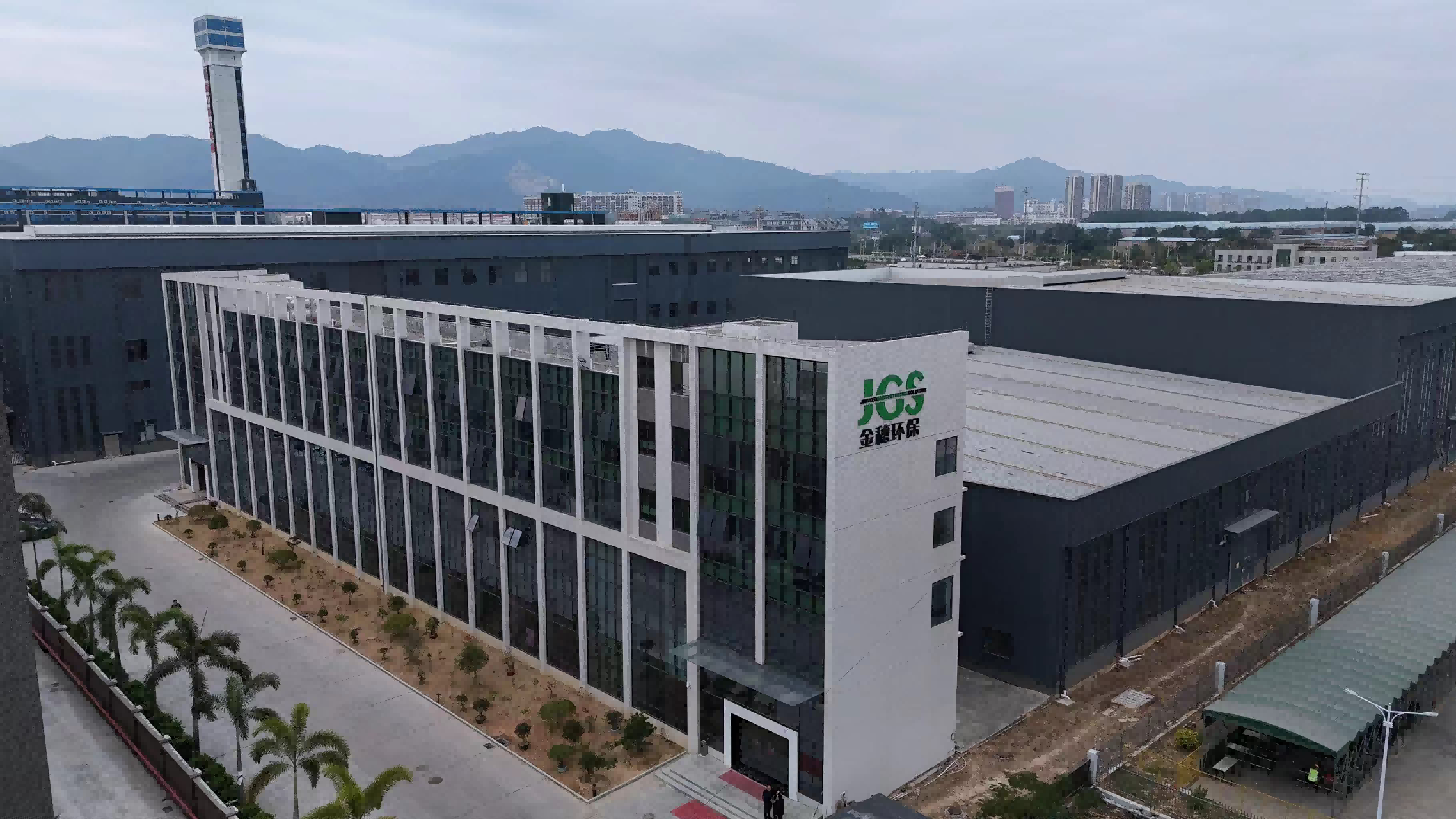

Woven Geotextile Fabric Factory Processes That Deliver Reliable Erosion Control
2026-08-29
You can’t control the weather, but you can control what happens when it arrives. That’s the thinking behind every woven geotextile fabric factory process at JInseed Geosynthetics Solution — where reliable erosion control isn’t a promise, it’s a production standard.
Choosing Polymer Blends That Resist UV Degradation and Abrasion
Start with the base resin’s UV backbone. Aliphatic polymers like acrylics and polycarbonate have better inherent UV stability than aromatic or unsaturated ones; blending in ABS or SBS rubber will accelerate yellowing and surface microcracking, so if impact modification is needed, switch to ASA or a saturated olefinic elastomer rather than butadiene-based modifiers.
For abrasion, do not assume that harder means better. A blend that is too stiff may chip or fracture at the surface under sliding wear. Add low-friction internal lubricants such as ultrahigh-molecular-weight polyethylene or PTFE micropowder at 5–15% loading, and verify performance with a Taber abrader under the actual service load. Run at least 500 cycles on aged samples, because UV exposure often embrittles the surface first and changes the wear mechanism from adhesive to fatigue or abrasive wear.
Finally, match the UV stabilizer package to the continuous phase. Hindered amine light stabilizers work well in polyolefin-rich blends but can be antagonistic with acidic species in some flame-retardant systems; benzotriazole absorbers are safer for transparent PC/PMMA blends. Test color shift and gloss retention after QUV exposure for the same duration as the intended outdoor life, not just a generic 1000-hour benchmark.
Controlling Loom Tension to Prevent Weak Zones in Woven Fabric
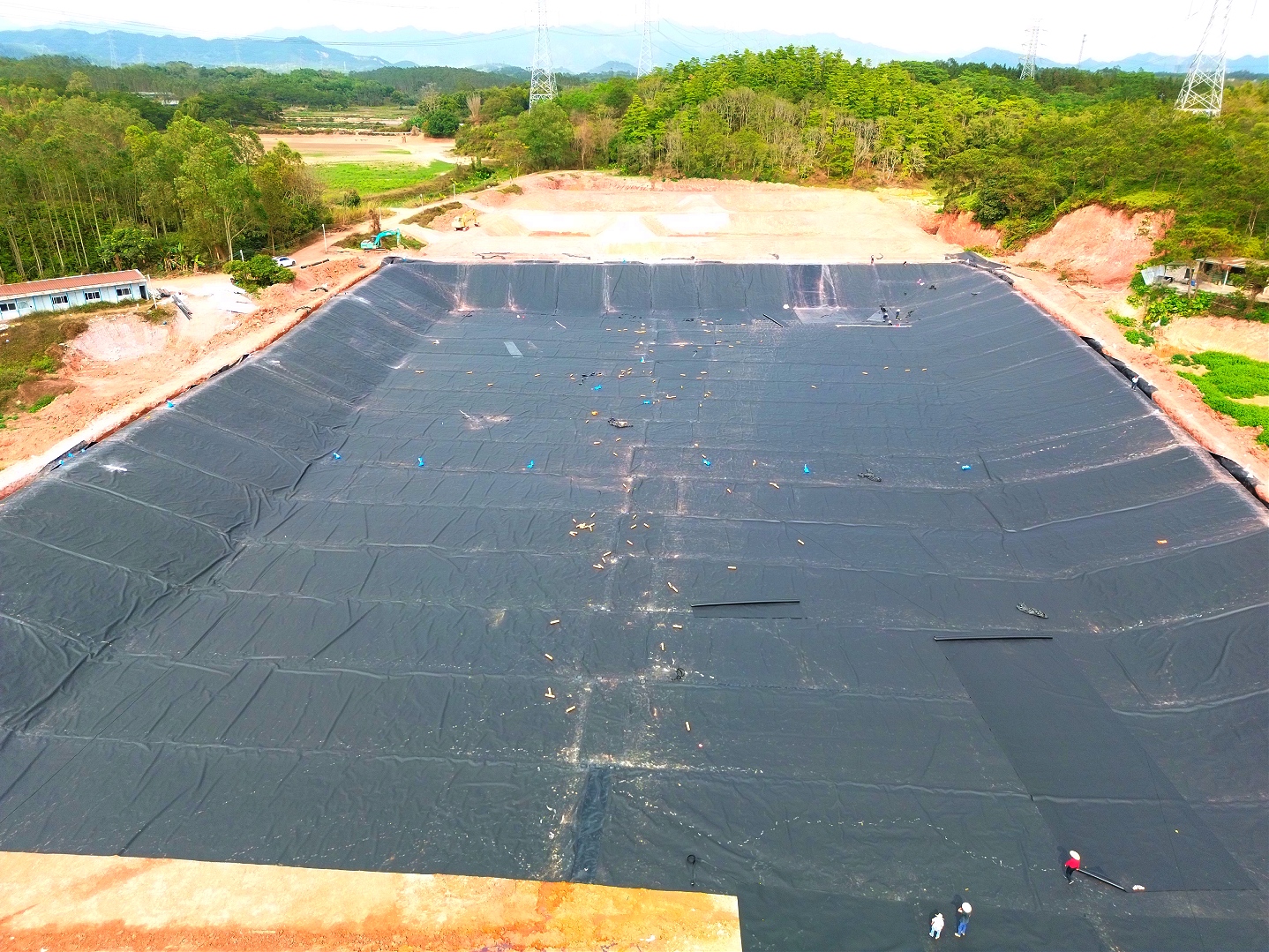
Uneven warp tension is one of the most common causes of weak zones in woven fabric, yet it often goes unnoticed until the cloth is inspected under tension. On older looms, particularly those with mechanical let-off systems, small variations in beam winding or brake adjustment can create alternating tight and slack ends. These differences may be invisible during weaving but show up later as thin streaks, puckers, or low-strength areas after finishing. To head this off, check warp tension across the full width at each beam change, using a tension meter or simply pressing down on the sheet at several points. If you feel noticeable differences, correct them before starting the loom—retying loose ends or adjusting the back rest height will save far more time than repairing a rejected roll.
Tension control during weaving itself needs constant attention, not just at setup. Sudden changes in take-up speed, uneven cloth roll build-up, or a worn friction brake can all cause periodic weak zones that repeat along the fabric length. A practical approach is to mark the warp with chalk at regular intervals and watch how those marks move through the fell. If the marks drift or bunch up in one area, the let-off and take-up are out of sync. Often the fix is as simple as cleaning the brake drum or replacing a worn emery roller, but ignoring it will produce fabric that fails unpredictably in the field, especially in load-bearing applications like canvas or filtration cloth.
Finally, remember that humidity and temperature affect yarn tension in ways that are easy to overlook. Natural fibers, especially cotton, will shrink and tighten when the weaving shed becomes too dry, while synthetic yarns may elongate slightly with heat. This can create weak zones that only appear after the fabric relaxes or is washed. If you notice edge-to-edge tightness warping the cloth on the loom, consider installing a simple humidifier or adjusting the shed opening rather than increasing overall tension to compensate. A small change in the environment often does more to prevent weak zones than any mechanical adjustment, and it keeps the fabric structure uniform from selvedge to selvedge.
Running Factory Flood Tests That Replicate Real Erosion Events
Flood testing at our factory isn’t a simple hose-down — it’s a controlled reenactment of the most punishing erosion scenarios we’ve documented in the field. We built dedicated channels that cycle sediment-laden water at velocities matching flood-stage rivers, complete with debris like branches, gravel, and silty overload. Every batch of products faces these simulated torrents for hours, not minutes, so weak points surface long before a customer ever sees them.
We don’t just measure water resistance; we measure what the water carries away. High-speed cameras track surface wear, while post-run scans map micro-channels carved into seals, coatings, and joint interfaces. The test rig is designed to replicate real slope angles and flow turbulence, meaning a product that passes a calm immersion test can still fail here — and that’s exactly the point. Those failures drive immediate design revisions, not excuses.
What makes this approach different is the feedback loop with our field engineers. They log actual erosion patterns from post-flood inspections, and those reports become the next test cycle’s parameters. So when a new housing or seal goes into production, it has already survived our factory’s version of the river that will try to destroy it in the real world.
Matching Weave Density to Slope Angle and Water Velocity
Selecting the right weave density starts with a clear read of the slope's steepness and the speed of water moving across it. Steeper angles let runoff gather momentum quickly, so the fabric has to offer more surface friction and structural interference. Tighter weaves with smaller openings work well here because they slow down the flow and give soil particles less room to escape. On gentler slopes, a looser weave can be just as effective, allowing water to percolate rather than rush over the surface.
Water velocity adds another layer to the decision. Fast-moving water, even on a moderate slope, exerts higher shear stress against the ground. A dense weave acts like a shield, breaking up the force before it can dislodge sediment. In channels or ditches where flow is concentrated, opting for a heavier, tighter pattern prevents undercutting. Conversely, areas with slow, sheet-like runoff can get by with a more open weave that lets seedlings push through easily and keeps material costs reasonable.
Balancing these two factors often means testing a few combinations in the field rather than relying on a single chart. A slope with a mix of steep and flat sections might call for different densities in different zones. The goal is always the same: enough weave to hold soil during peak flows, but not so much that it blocks vegetation or traps excess moisture. Getting that match right extends the life of the erosion control system and reduces maintenance down the line.
Reinforcing Edges Before Cutting So Rolls Arrive Ready to Install
Most edge issues on finished rolls trace back to one overlooked step: the moment before the blade touches down. We apply a thin, flexible reinforcement strip along the cut line—sometimes a heat-sealed polymer edge, sometimes a low-tack filament tape—so the material doesn't stretch, fray, or curl as it separates. This isn't a post-production fix; it's baked into the slitting pass itself.
The result is a roll that arrives with clean, stable shoulders. Installers can peel the liner, align the first panel, and trust that the edge won't ripple under tension or snag on the unwind. For wallcoverings and wide-format graphics especially, that pre-cut reinforcement means fewer callbacks for wavy seams or lifted corners.
We've also found it reduces waste at the job site. When edges hold their shape from core to outer wrap, there's no need to trim away curled or nicked ends before installation. The rolls come off the pallet ready to hang, bond, or mount—no extra prep, no surprises.
Recording Production Variables for Long-Term Performance Verification
Tracking how production conditions shift over time matters more than most teams assume. A single snapshot of machine settings, ambient temperature, or operator technique rarely explains why output drifts months later. Recording these variables at the point of production—without filtering or rounding—creates a dependable baseline for comparing performance across seasons and shifts.
The record should capture what actually changed, not what the standard procedure claims. When material lot numbers, tool wear, humidity, or even minor software updates are logged alongside output metrics, later verification stops being a guessing game. Long-term patterns emerge only if the data is granular enough to trace a dip back to a specific adjustment. For facilities aiming at multi-year reliability, disciplined variable logging is often the difference between finding a root cause and replacing parts on suspicion.
FAQ
Woven geotextiles combine high tensile strength with controlled pore openings, allowing water to pass through while retaining soil particles. The factory weaving process creates a stable, uniform structure that resists deformation under hydraulic loads, which is something nonwoven or natural fiber mats often struggle with on steep or fast-flowing sites.
Pore size is set by the loom settings and yarn diameter, not left to chance. During production, the warp and weft yarns are tensioned to a precise spacing, and the resulting apertures are checked against a target range. This means the fabric can be tuned for either high permeability or finer soil retention depending on the erosion control scenario.
Most durable woven geotextiles use high-tenacity polypropylene or polyester yarns. Polypropylene is often chosen for its chemical resistance and lighter weight, while polyester offers higher modulus and better creep resistance for long-term load-bearing applications. The choice is driven by the specific site conditions rather than a one-size-fits-all formula.
Rolls are sampled at regular intervals and tested for tensile strength in both machine and cross-machine directions. The factory also checks elongation at break and trapezoidal tear resistance. If a batch falls outside the tolerance band, the loom tension or yarn feed is adjusted before continuing, so the final product does not have weak spots that could fail under erosive forces.
A tighter plain weave creates smaller openings and higher dimensional stability, which helps the fabric act as a filter and hold fine particles on a slope. In contrast, a looser twill or basket weave might allow more water through but sacrifice some soil retention. The pattern is selected based on the slope angle and expected runoff velocity.
UV stabilizers are added to the polymer before extrusion or applied as a coating during finishing. Without this step, polypropylene and polyester yarns can degrade quickly under sunlight, causing the fabric to lose strength before vegetation establishes. Factory-applied UV protection extends the service life of the geotextile in exposed applications such as channel linings or shoreline protection.
The balance comes from the yarn count and weave density. By adjusting the number of yarns per inch and the yarn diameter, manufacturers can create a fabric with an apparent opening size that allows water to exit but prevents the majority of adjacent soil particles from washing through. This is refined through lab tests that simulate different soil gradations and hydraulic gradients.
Conclusion
At the core of reliable erosion control is a woven geotextile that can survive harsh site conditions. Factories start by blending polymer resins selected for high resistance to UV degradation and abrasion, so the fabric doesn't weaken after months of sun exposure or constant contact with rough aggregates. On the production floor, loom tension is carefully regulated—uneven pull creates weak zones that tear under hydraulic stress. Operators adjust warp and weft settings throughout each run, checking that every square meter holds a consistent thread count. This level of control turns a simple woven sheet into a durable barrier that keeps soil in place.
Before any roll leaves the plant, it goes through flood tests that replicate real erosion events, with water velocities and sediment loads similar to those on actual slopes or channels. The weave density is then matched to the expected conditions: steeper slopes and faster flows call for tighter constructions that slow water down and trap sediment. Edges are reinforced prior to cutting, preventing fraying during transport and allowing installers to overlap rolls without gaps. Throughout production, variables like polymer lot, loom speed, tension, and test results are recorded, giving engineers a traceable record for long-term performance verification.
Contact Us
Contact Person: Jerry Qiu
Email: [email protected]
Tel/WhatsApp: +65 84265294
Website: https://www.jinseed-geo.com